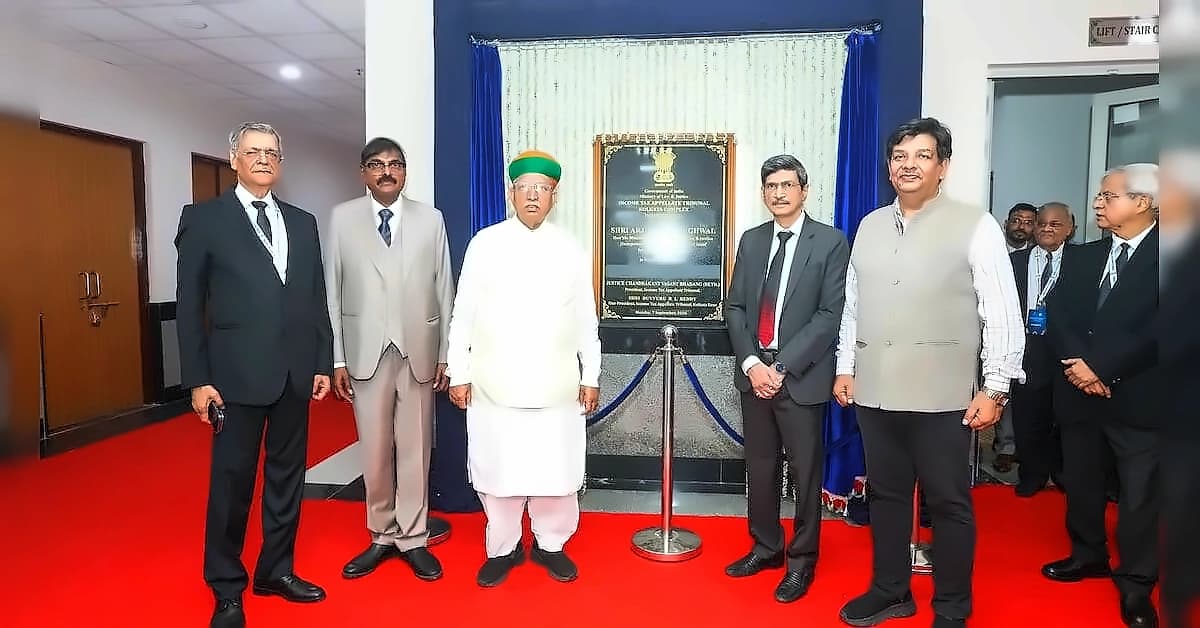

Union Law Minister Arjun Ram Meghwal on Monday invited suggestions from stakeholders to strengthen the proposed National Tribunal Commission framework covering 16 tribunals. According to reports from Business Standard, Meghwal made this announcement while inaugurating the new premises of the Income Tax Appellate Tribunal (ITAT) in Kolkata. The law minister positioned this reform as the beginning of a larger 'Reform, Perform & Transform' mission for India's tribunal system, as the government simultaneously advances comprehensive legal reforms across multiple jurisdictions.
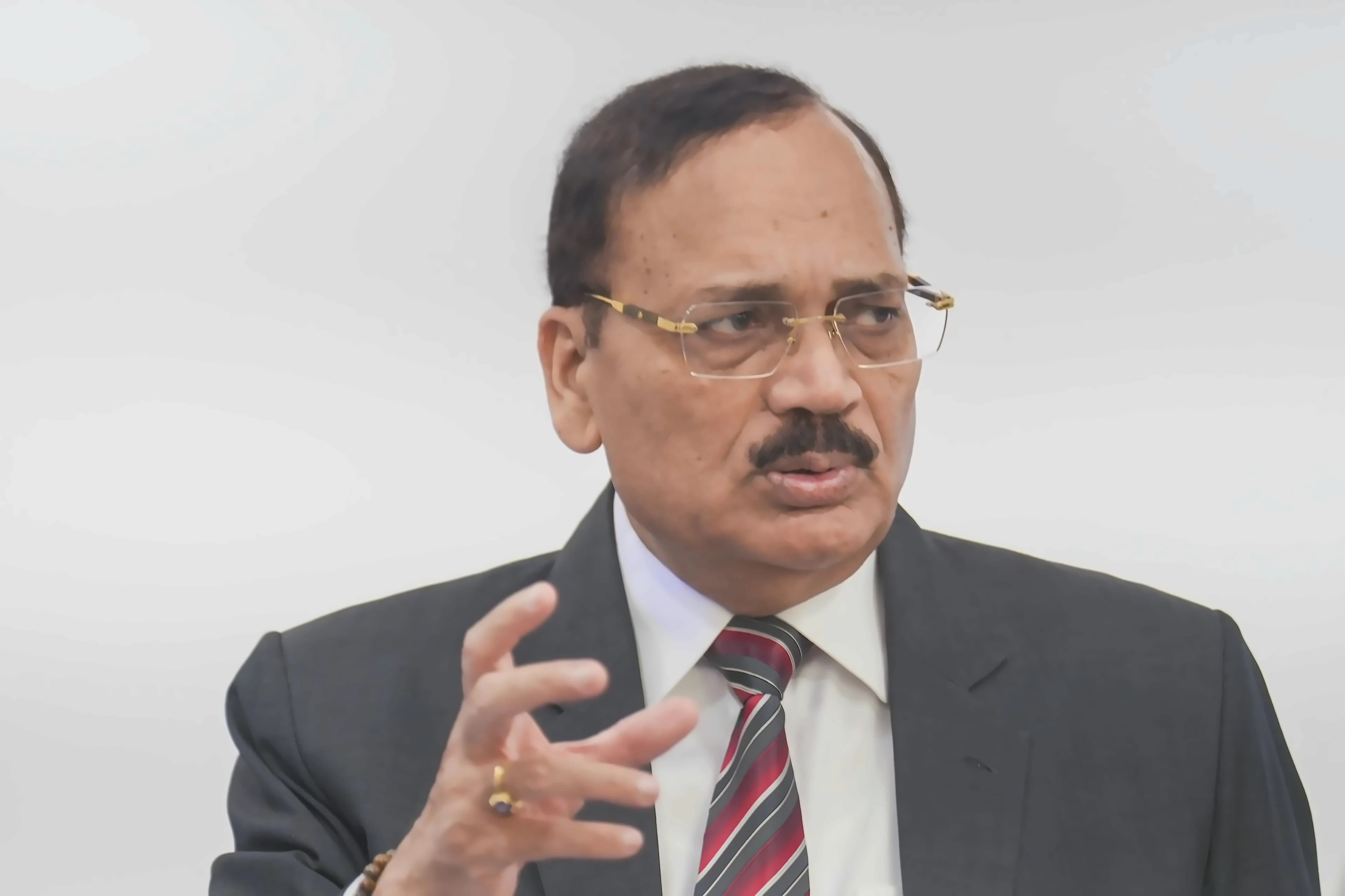
The Kolkata Bench of ITAT has jurisdiction over 12 states, including seven northeastern states, as reported by Business Standard. ITAT President C V Bhadang emphasized that the government was focusing on improving the efficiency of justice delivery, particularly in the seven northeastern states under the Kolkata Bench's jurisdiction. The tribunal operates under the motto 'Nishpaksh Sulabh Satvar Nyay', which means impartial, accessible and swift justice.
Surbhi Verma Garg, Principal Chief Commissioner of Income Tax, highlighted that the Income Tax Department and ITAT were working towards reducing litigation and improving taxpayer services through technology. According to Business Standard, she referred to the department's faceless assessment system and ITAT's e-filing initiatives. D R L Reddy, vice-president of the ITAT Kolkata Zone, noted that the new premises reflected the tribunal's focus on modernising its adjudication process and strengthening trust between taxpayers and the Income Tax Department.
Sajjan Kr Tulsyan, president of the Income Tax Bar Association and Tax Advocates Association of Bengal, referred to the 85-year history of ITAT Kolkata and its contribution to tax jurisprudence. As reported by Business Standard, Meghwal also referred to landmark rulings of the tribunal, including a ruling on the distinction between a capital incentive and income. The law minister emphasized ITAT's role in India's tribunal system and its significance in the country's legal framework, as these reforms align with broader efforts to modernize India's judicial infrastructure.