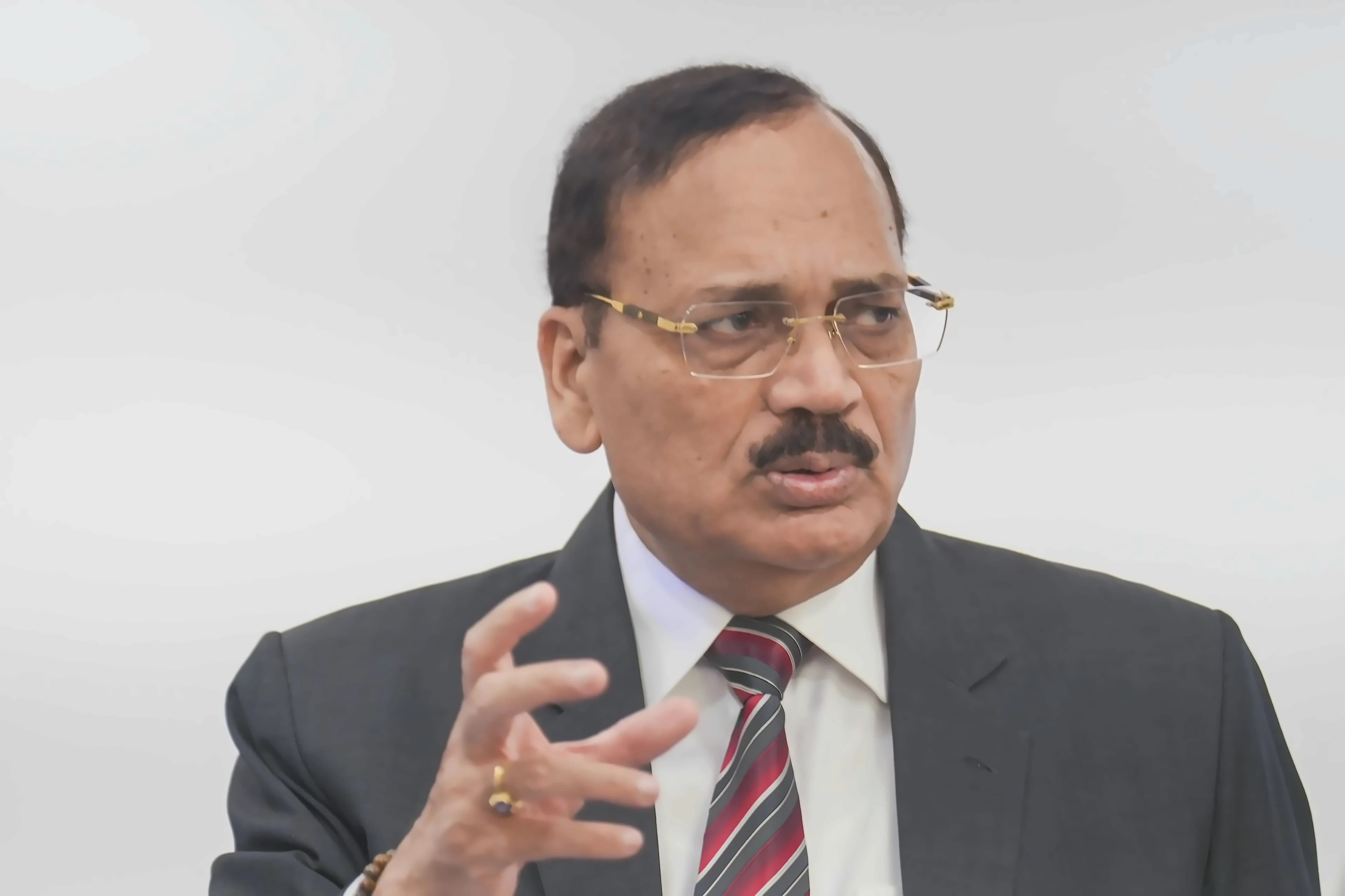
Chief Justice of India Surya Kant called for a fundamental shift from retrospective justice to preventive justice in infrastructure development during the FIDIC Global Infrastructure Conference 2026 in New Delhi. According to reports from ANI, the CJI emphasized that the rule of law is not just about courts correcting errors after a project has been disrupted, but also about ensuring clear expectations, properly defined powers, fair allocation of risks and credible, timely dispute resolution mechanisms. As reported by The Times of India, Justice Kant stated that "Rule of law is not only about correcting what has gone wrong; it is also about creating the conditions for things to go right." He noted that infrastructure is inherently exposed to the unexpected, making preventive measures crucial for project success. The CJI observed that infrastructure development directly affects the lives of millions, with roads, bridges, water systems and other public assets shaping the everyday experiences of citizens.
The CJI outlined that the finest compliment to a dispute resolution mechanism is not that it has resolved many disputes, but that the project it served had so little need to use it. As reported by ANI, Justice Kant noted that infrastructure contracts should create a shared understanding of how parties respond to unforeseen circumstances. He emphasized that early intervention, frank communication and swift determinations could prevent disagreements from hardening into formal claims. He observed that a bridge cannot pause construction while an arbitration proceeds, a highway cannot wait for an appeal to run its course, and a power project cannot suspend its economic purpose while the parties debate the meaning of a force majeure clause. According to The Times of India, the real measure of success is not simply how quickly disputes are resolved, but how well the projects are designed so that fewer disputes arise in the first place. The CJI noted that as the chief justice, he has "profound faith in the courts," but emphasized that "a legal system should not measure its success only by how effectively it resolves disputes after they have arisen; it should also ask how effectively the institutions around a project prevent those disputes from arising in the first place."
The CJI highlighted that well-drafted contracts should establish shared understanding of how parties would respond to unforeseen circumstances, including changes in ground conditions, regulatory developments and other risks. According to The Times of India, Justice Kant noted that "well-drafted contracts should do more than record commercial arrangements and they should establish a shared understanding of how parties would respond to unforeseen circumstances." He cautioned that when risks are assigned to parties ill-equipped to manage them, contractors tend to price defensively while governments could end up bearing risks they are not best placed to handle. He noted that such imbalances often result in disputes and litigation. The CJI stated that "the allocation of risk is among the most important factors determining whether an infrastructure project has become a landmark or a liability." He called for sensible standardisation of infrastructure contracts, stating that provisions relating to payments, variations, extensions of time, unforeseen conditions and dispute resolution should not be reinvented for every project, while accommodating local laws, capacity and circumstances.
The CJI stressed the importance of standardisation in infrastructure contracts, particularly as projects increasingly involve international capital, engineering expertise, construction companies and consultants from different jurisdictions. As reported by ANI, he urged stakeholders from government, industry and legal profession to focus on five priorities: clarity of obligations, balanced allocation of risk, sensible standardisation, early dispute avoidance, and swift and independent resolution of disputes. According to The Times of India, Justice Kant described these as "instruments of good governance rather than narrow legal technicalities." He noted that standardisation could provide a common contractual vocabulary for dealing with issues such as payments, variations, extensions of time, unforeseen conditions and dispute resolution. The CJI described India's infrastructure development as taking place at a scale and pace without precedent in its past, and its ambition must be to build faster, more resiliently, more sustainably and more productively.