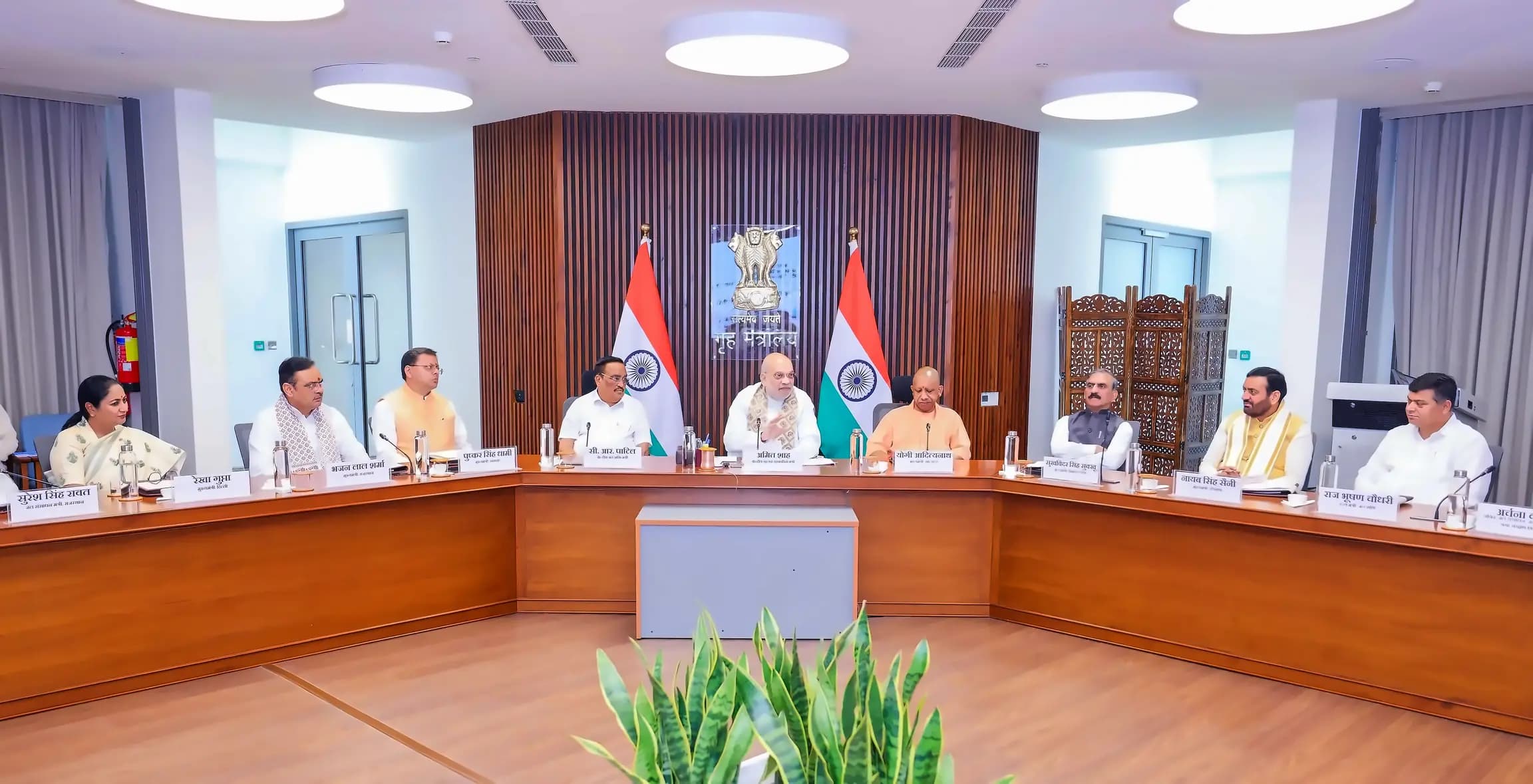
On June 11, the Centre signed a tripartite memorandum of understanding (MoU) with the governments of Assam and Nagaland to facilitate oil and gas exploration in a disputed border area. According to reports from Business Standard, the agreement is aimed at unlocking hydrocarbon resources that have remained largely untapped for more than three decades. The MoU was signed in the presence of Home Minister Amit Shah, Petroleum Minister Hardeep Singh Puri, Assam Chief Minister Himanta Biswa Sarma and Nagaland Chief Minister Neiphiu Rio. The agreement covers more than 1,000 sq km along the Assam-Nagaland border and represents a significant step toward reviving India's energy exploration in the Northeast region.
As reported by Business Standard, officials estimate that the region's current extraction capacity of 1,000-1,500 barrels a day could increase tenfold following the agreement. Petroleum and Natural Gas Minister Hardeep Singh Puri emphasized the historical significance, stating that "the Northeast gave birth to India's petroleum industry; today, it stands ready to power the next chapter of India's energy journey as Nagaland will produce oil and gas again after 31 years." The agreement specifically targets the disputed area belt (DAB) along the Assam-Nagaland border, where oil and gas exploration and production are expected to gather pace. Apart from six designated oil and gas fields, the Nagaland government has agreed to oil exploration across Nagaland, as reported by the Ministry of Home Affairs. Beyond the six already-identified oil and gas fields, Nagaland has agreed to allow oil exploration across the entire state.
Union Home Minister Amit Shah expressed optimism that most of the Northeast could be free from the Armed Forces (Special Powers) Act (AFSPA) by next year, citing the region's improving security situation and growing focus on development. Speaking during the MoU signing, Shah noted that more than 80 per cent of the Northeast has already been brought out of AFSPA's ambit. After remaining under AFSPA for more than three decades, the state began a phased withdrawal of the law in 2022. Following subsequent reviews, AFSPA now remains in force only in a handful of districts, including Tinsukia, Charaideo and Sivasagar. The improved security environment is attributed to stronger intelligence-based policing, improved coordination between state and central agencies, and multiple peace agreements with insurgent groups operating in the region.
According to Business Standard, India currently imports about 90% of its crude oil requirements, 50% of its natural gas needs and 60% of its liquefied petroleum gas consumption. The agreement's potential impact is substantial, with Home Minister Amit Shah noting that "with just one MoU, the extraction capacity of 1,000-1,500 barrels per day can be increased by 10 times." In one field alone, there are possibilities of recovering more than ₹15,000 crore, which could significantly reduce India's dependence on foreign oil. The agreement comes at a critical time when the country is grappling with high prices of imported oil and gas, as well as supply constraints due to the effective closure of the Strait of Hormuz amid the West Asia war. By boosting domestic production, India can reduce its reliance on volatile international supply routes, making this MoU a meaningful step toward energy self-reliance.
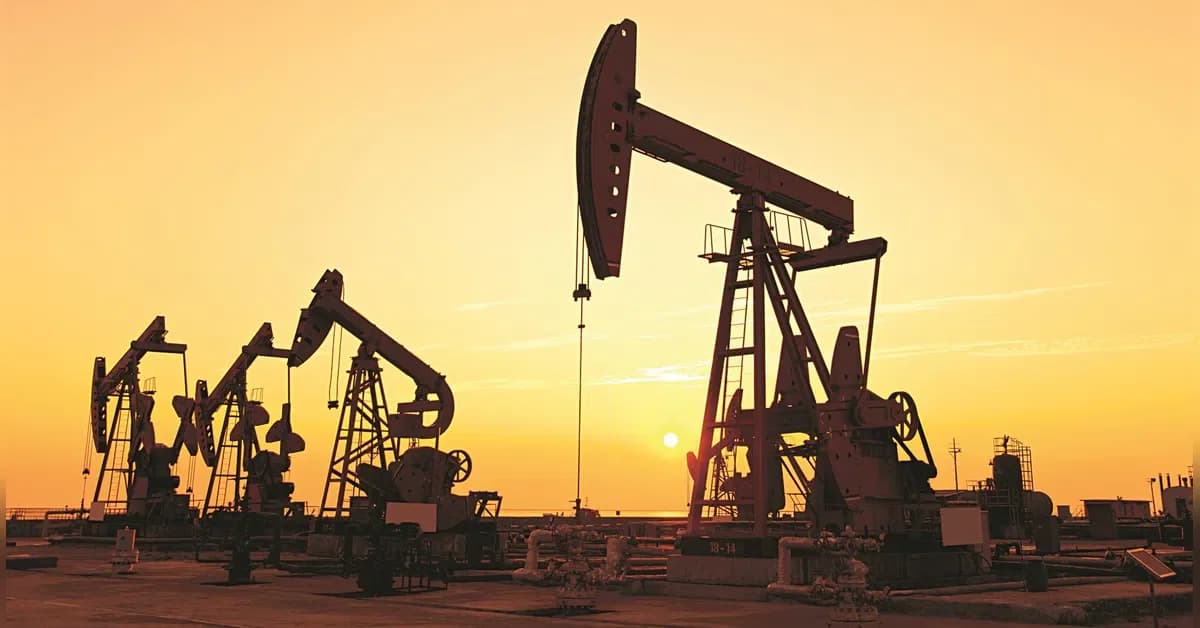
As reported by Business Standard, the Northeast occupies a distinctive place in India's energy history, with the country's first commercially successful oil well drilled at the Digboi oilfield in Assam. Assam accounts for nearly 22% of India's crude oil reserves and around 15% of its natural gas reserves, while Nagaland holds significant hydrocarbon potential in the Naga-Schuppen Belt of the Assam-Arakan Basin. According to Petroleum Minister Hardeep Singh Puri, the region possesses "huge untapped resources" and "hydrocarbons flow naturally," making the outlook for exploration and production activities in the North East extremely promising. For Assam and Nagaland themselves, officials say the agreement opens up a major pathway for economic development, as unresolved disputes had kept valuable resources locked away and held back investment for decades. The MoU establishes a coordinated framework for mineral oil operations aimed at ensuring operational continuity and coordination among stakeholders.