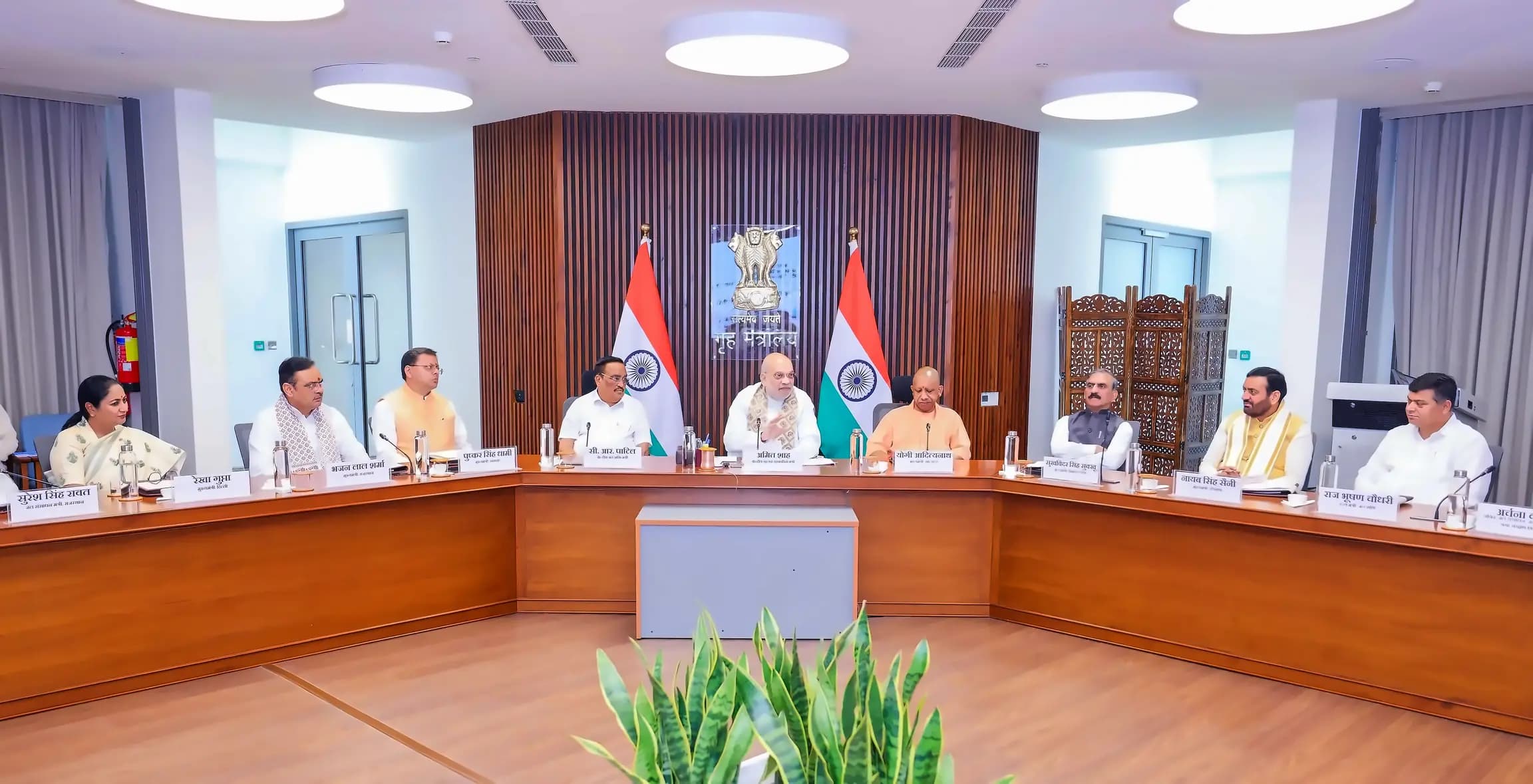
Chief ministers of Uttarakhand, Himachal Pradesh, Uttar Pradesh, Haryana, Rajasthan and Delhi signed the Memorandum of Understanding (MoU) for the Kishau multipurpose project on Tuesday in New Delhi in the presence of Union Home Minister Amit Shah and Jal Shakti Minister CR Patil. According to latest reports, the agreement represents the 10th major water-related dispute or project issue to be resolved during the Modi government's tenure through consensus, as described by Home Minister Amit Shah. The agreement on the Kishau multipurpose project represents the third project on which an agreement for construction has been entered into between the six states, following similar agreements on Renuka ji and Lakhwar multipurpose projects that are already under construction. The project has been stalled for eight years over inter-state coordination before clearing this major hurdle.
The Central government will bear 90% of the cost of the water component of the project, while the remaining 10% financial burden will be shared by the six participating states. As reported by Business Standard, the Centre recently assured Himachal Pradesh that it would not have to bear any financial burden for the project. Himachal Pradesh Chief Minister Sukhvinder Singh Sukhu revealed that at a high-level meeting chaired by Shah on June 16, the Centre had agreed in principle that the estimated ₹2,000 crore cost of Himachal Pradesh's power component would be borne by the beneficiary states of the water component - Delhi, Rajasthan and Haryana. Sukhu emphasized that the state government had strongly pursued the issue to protect Himachal Pradesh from the financial burden, which the previous government had not been able to resolve. The state had previously agreed to contribute ₹800 crore, but the present government rejected this proposal in view of the state's limited resources.
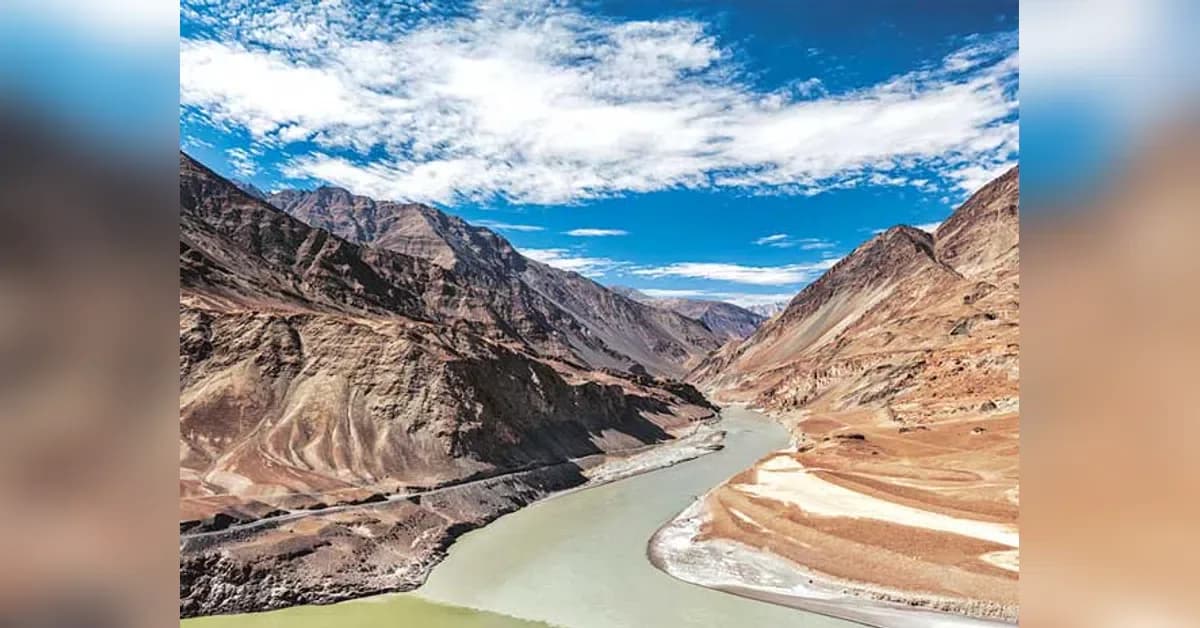
The Kishau multipurpose project is proposed on the River Tons, a major tributary of the Yamuna River in Uttarakhand's Dehradun district and Himachal Pradesh's Sirmaur district. The project envisages the construction of a 232.6-metre-high concrete gravity dam with a live storage capacity of 1,562 million cubic metres (MCM). The project is expected to provide irrigation benefits to approximately 0.97 lakh hectares of agricultural area with an annual energy generation of approximately 1,476 million units. According to latest reports, Himachal Pradesh will receive 1,000 million units of electricity annually from the project, which is expected to be worth more than ₹1,000 crore annually after completion. The stored water will contribute to the rejuvenation of the Yamuna and meet drinking and industrial water requirements, particularly in Rajasthan and the National Capital Territory of Delhi. For Delhi, the most significant aspect of the project is its potential to improve the Yamuna's environmental flow, as an important gap in the existing Yamuna water-sharing arrangement was that adequate water for maintaining the river's ecological health had not been factored into the allocation. Delhi will be the biggest beneficiary of the project, as noted by Home Minister Amit Shah.
According to Business Standard, the stored water will contribute to the rejuvenation of the Yamuna and meet drinking and industrial water requirements, particularly in Rajasthan and the National Capital Territory of Delhi. For Delhi, the most significant aspect of the project is its potential to improve the Yamuna's environmental flow, as an important gap in the existing Yamuna water-sharing arrangement was that adequate water for maintaining the river's ecological health had not been factored into the allocation. Under the Kishau project, around 25% of the water is expected to be important for maintaining the Yamuna's environmental flow. The Centre has linked the project to efforts to clean and revive the Yamuna in Delhi, with Shah noting that improving the river's condition was also important for the cleanliness of the Ganga, as the Yamuna eventually joins the Ganga at Prayagraj. The project shall be implemented by Kishau Corporation Limited, a joint venture of the Himachal Pradesh and Uttarakhand governments.
The Upper Yamuna basin states had signed a Memorandum of Understanding (MoU) on May 12, 1994 for sharing the utilisable surface water of the Yamuna up to Okhla Barrage. The MoU was signed nearly three months after a similar meeting on June 16 under the chairmanship of the Union Home Minister, when a consensus was reached among the concerned states. With the MoU signed, the project will be placed before the Union Cabinet for approval. Union Minister for Jal Shakti CR Patil, Union Home Secretary Govind Mohan, and other officials were present during the meeting. The agreement is being projected by the Centre as an example of states moving from disputes over water sharing towards cooperation on water resources. Shah described the agreement as an example of Prime Minister Narendra Modi's "Team India" approach and the principle of resolving long-pending issues through dialogue. With the agreement now signed, the focus shifts to implementation, with construction, environmental clearances, rehabilitation, financial management and coordination between the six states determining how quickly the decades-old project moves from paper to the ground.