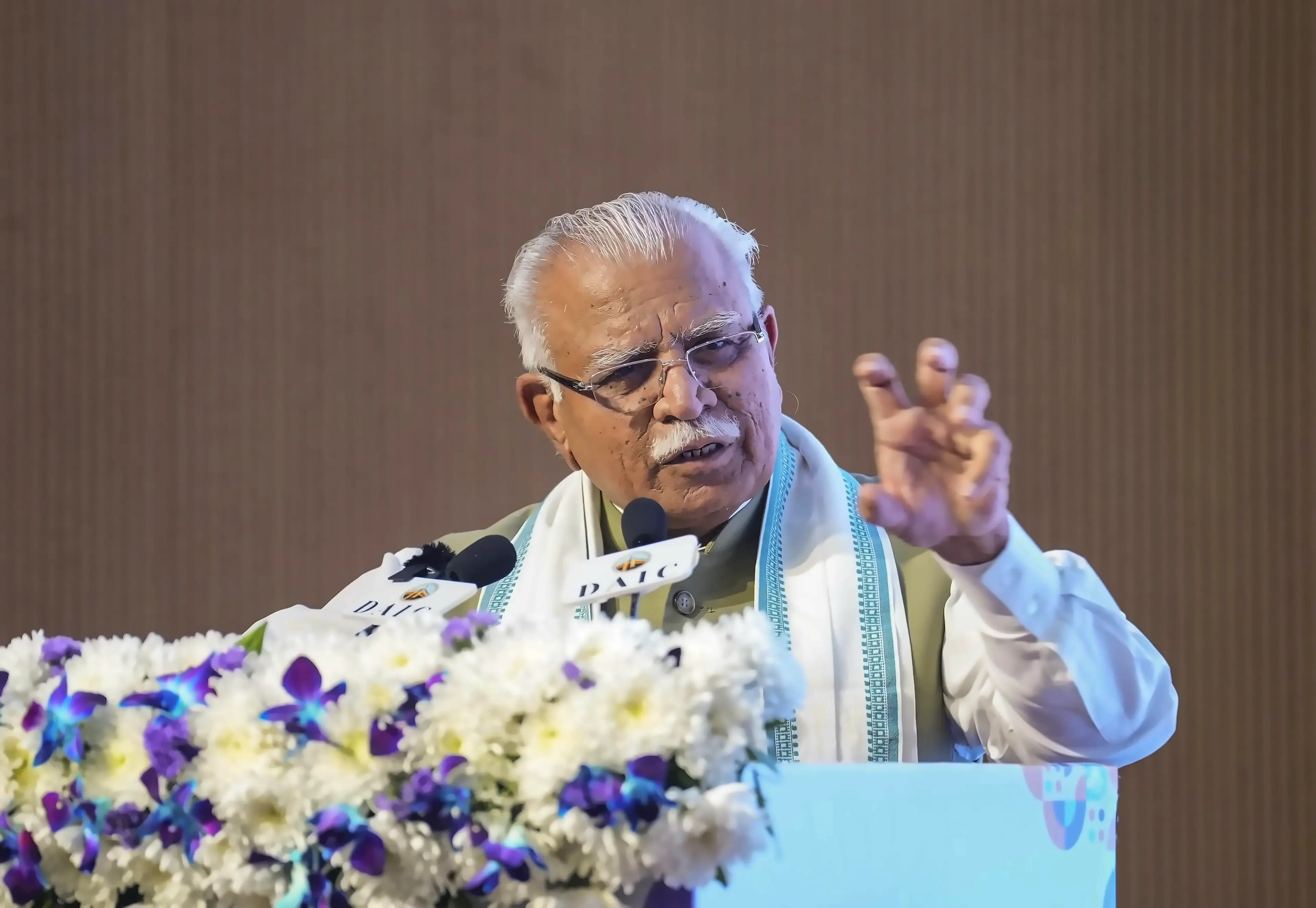
India, the US, and Canada have reaffirmed cooperation under the US-India Energy Security Partnership, focusing on clean energy, resilient infrastructure and emerging technologies. Union Power Minister Manohar Lal Khattar held comprehensive discussions with US Energy Secretary Chris Wright in Houston on Tuesday, discussing India's power infrastructure plans for AI, data centres, high-performance computing and nuclear expansion. According to latest reports, both sides emphasized clean energy, resilient infrastructure and emerging technologies as key focus areas, with the minister outlining India's roadmap for nuclear expansion and highlighting the country's commitment to diversifying energy sources, expanding clean and reliable baseload capacity and adopting emerging technologies. The minister also reaffirmed India's commitment to strengthening national energy security through diversification of energy sources, expansion of clean and reliable baseload capacity and accelerated adoption of emerging technologies, emphasizing a balanced and future-ready energy strategy while deepening international partnerships to ensure secure, sustainable, and affordable energy for its citizens and contribute meaningfully to global energy stability.
The meeting comes at a crucial time when the US industry is keen on investing in India's nuclear sector as the country aims to achieve 100 GW atomic energy capability by 2047. India has sharply increased purchases of liquefied petroleum gas (LPG) and liquefied natural gas (LNG) from the United States as disruptions linked to the conflict in West Asia constrain supplies from traditional Gulf suppliers, according to data from maritime intelligence firm Kpler. This increased energy cooperation aligns with India's nuclear energy expansion roadmap discussed during the meeting, with the minister highlighting the country's non-fossil share exceeding 50 per cent and major advances in solar, storage, nuclear, and clean cooking access. The discussions also covered India's nuclear energy expansion roadmap, building on the SHANTI Act enacted last year that opened up the tightly controlled nuclear sector to private participation.
The minister highlighted India's installed power capacity of 552 GW and a non-fossil share exceeding 50 per cent, emphasizing technology-neutral and inclusive approaches to the energy transition. According to latest reports, this commitment aligns with the broader strategic partnership discussions covering nuclear energy, AI infrastructure, and clean energy technologies between India and its international partners. The minister pointed to advances in solar power, energy storage, nuclear energy and clean cooking access and highlighted India's approach towards technology neutral, inclusive energy pathways. He also emphasized international cooperation through initiatives including the International Solar Alliance, One Sun One World One Grid and the Global Biofuels Alliance, demonstrating India's progress in clean energy adoption and infrastructure development.
Addressing regulatory efficiency, Khattar outlined measures aimed at streamlining approvals and improving regulatory predictability through digital platforms including the National Single Window System, PARIVESH and PM Gati Shakti. He stressed that efficient permitting is essential for timely infrastructure development and called for greater G20 cooperation in capacity building and regulatory modernisation. During the G20 meetings on September 15, Khattar delivered interventions under Pillar 1 on Energy Security and Affordable Baseload and Pillar 2 on Permitting and Regulatory Efficiency. The minister emphasized that efficient permitting is essential for timely infrastructure development and called for enhanced G20 collaboration in capacity building and regulatory modernisation.
The Samudra Manthan scheme represents a significant energy initiative with a Phase I outlay of ₹84,084 crore up to 2030-31. The scheme is designed to unlock the country's offshore hydrocarbon potential through accelerated exploration, deployment of modern technology, creation of shared infrastructure and strengthening domestic manufacturing capabilities. The initiative aims to add more than 600 million metric tonnes of oil equivalent in hydrocarbon reserves, raise domestic production, reduce import dependence and build a globally competitive offshore energy ecosystem. During the meeting, the minister encouraged Canadian companies to participate in India's expanding exploration and production sector and deepen engagement in emerging energy technologies, with discussions extending to collaboration under the Samudra Manthan scheme.