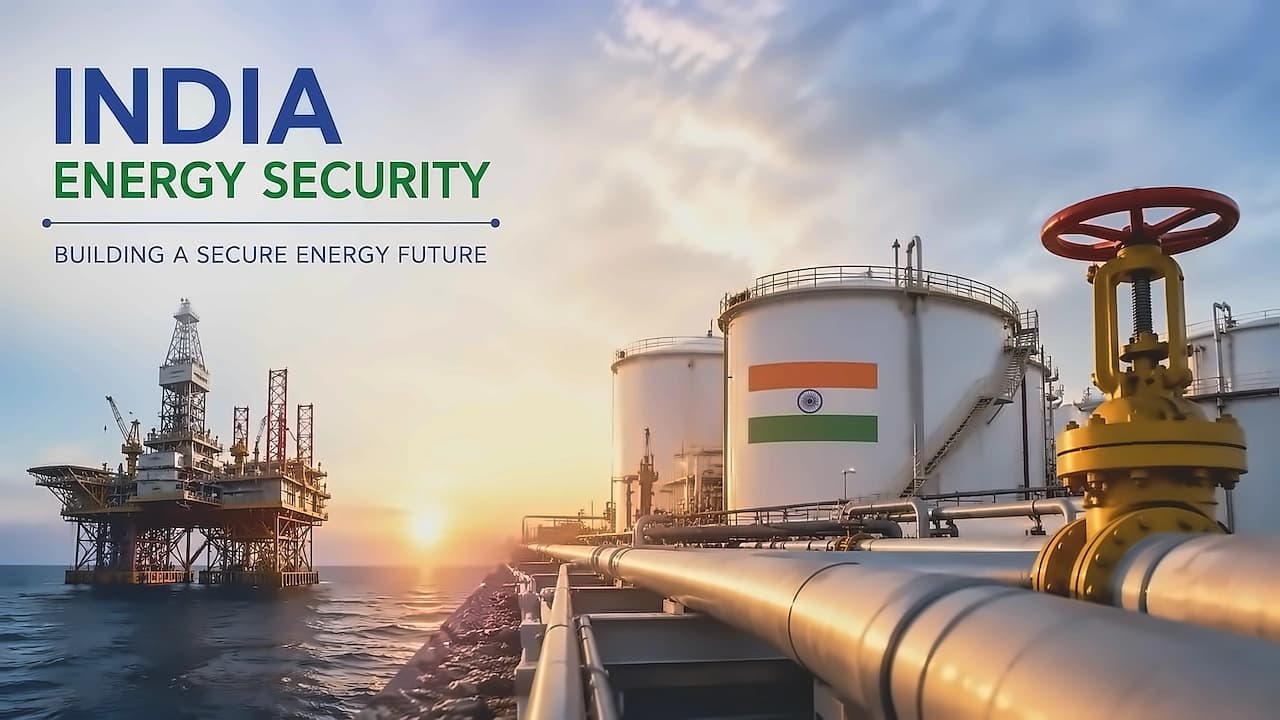
Union Minister for Petroleum and Natural Gas Hardeep Singh Puri assured Parliament on Thursday that India has successfully navigated the ongoing West Asia crisis, maintaining uninterrupted energy supplies despite global disruptions. Speaking in the Lok Sabha, Puri revealed that India's crude oil supply remains secure with volumes secured exceeding what the Strait of Hormuz would have delivered. The minister highlighted that non-Hormuz sourcing has risen to approximately 70% of crude imports, up from 55% before the conflict began, with India now sourcing crude from 40 countries against 27 in 2006-07. As per Business Standard, Puri emphasized that despite India having no role in causing the conflict, the country has to navigate through its consequences while maintaining adequate energy security.
The government has implemented comprehensive measures to ensure energy security during the global supply disruptions. According to Puri's parliamentary statement, large LNG cargoes are arriving on an almost daily basis through alternative supply routes, with India maintaining sufficient gas production and supply arrangements to sustain operations even in prolonged conflict scenarios. The minister confirmed that there is no shortage of petroleum products across the country, with retail outlets stocked and supply chains functioning normally. Natural gas availability has been prioritized, with domestic piped gas to homes and CNG for vehicles receiving 100% supply with no cuts, while industrial and manufacturing consumers will receive up to 80% of their previous six-month average.
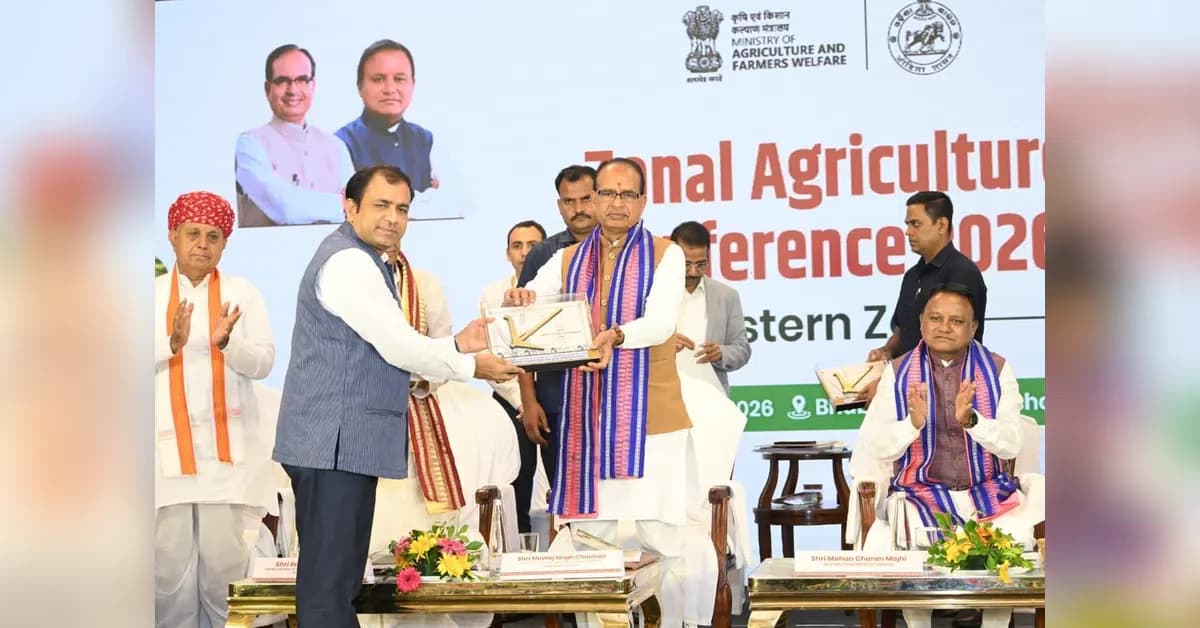
Union Agriculture Minister Shivraj Singh Chouhan continues to acknowledge that India faces difficulties in procuring fertilisers from the global market amid supply disruptions triggered by the West Asia crisis. As reported by Business Standard, Chouhan told mediapersons that the Government of India is trying hard to procure fertilisers from wherever they are available for farmers. The minister revealed that India can procure fertilisers from 28 countries and the Centre is maintaining constant engagement with all these nations to secure supplies. This international diversification strategy aims to ensure adequate fertiliser availability during the current supply constraints.
To shield farmers from rising fertiliser costs and maintain supplies during the summer-sowing season, the Union Cabinet had already approved ₹41,534 crore towards nutrient-based fertiliser subsidy. According to reports from Business Standard, this will ensure the supply of subsidised urea at ₹266 per bag and DAP at ₹1,350 per bag to farmers. The minister urged states and farmers to adopt organic farming and drought-resistant crops to protect soil health and tackle emerging climate challenges.
Expressing concern over forecasts of El Niño conditions this year, Chouhan warned that agriculture could face stress due to the possibility of deficient rainfall during the middle phase of the crop season. The minister advocated the cultivation of drought-resistant and climate-resilient crops. Chouhan announced that the Centre would introduce two new legislations — a new Pesticides Act and a new Seeds Act — during the next session of Parliament to strengthen the regulation of agricultural inputs. Counterfeit pesticides and spurious seeds were severely affecting crop yields and causing substantial losses to farmers across several states.