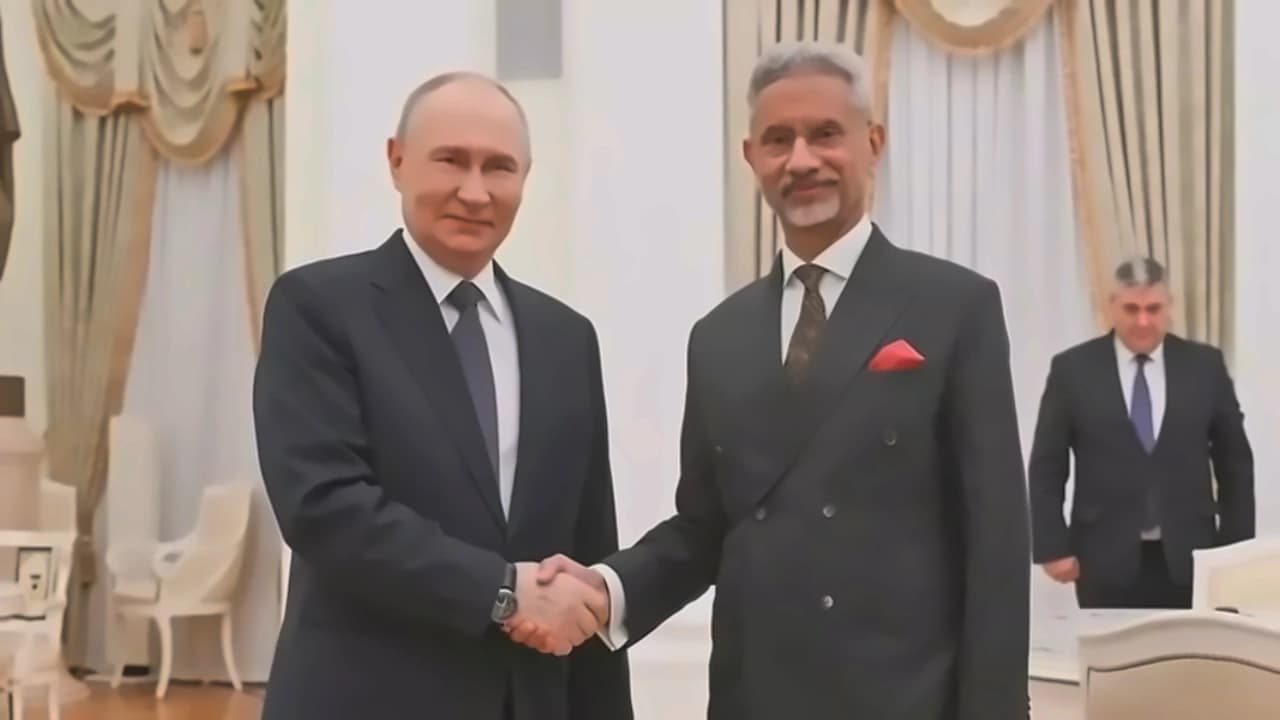
Prime Minister Narendra Modi chaired the fourth special meeting of the Cabinet Committee on Security (CCS) on Thursday to review the evolving geopolitical crisis in West Asia and assess its impact on India's energy and fertiliser supplies. According to the official X account of Rashtrapati Bhavan, "Prime Minister Shri @narendramodi called on President Droupadi Murmu at Rashtrapati Bhavan." The extended CCS meeting was attended by permanent members Defence Minister Rajnath Singh, Home Minister Amit Shah, External Affairs Minister S Jaishankar, and Finance Minister Nirmala Sitharaman, as well as special invitees Chemicals and Fertilisers Minister JP Nadda, Commerce Minister Piyush Goyal, Shipping Minister Sarbananda Sonowal and Petroleum Minister Hardeep Puri. The Prime Minister called for a comprehensive 'whole-of-government' approach to address the challenges posed by the conflict and instructed authorities to establish a unified and coordinated monitoring mechanism to expedite protective measures for citizens and safeguard national economic interests. As per Upstox News Desk, Modi directed the government to adopt a unified monitoring mechanism, ensure uninterrupted supplies of fuel and fertilisers, and safeguard Indian citizens, including seafarers and the diaspora.
The government confirmed that India's supplies of petrol, diesel, liquefied petroleum gas (LPG) and liquefied natural gas (LNG) remain adequate despite the tensions in West Asia. Cabinet Secretary T V Somanathan briefed the CCS that Central Public Sector Enterprise (CPSE) refineries are currently operating at utilisation levels exceeding 100%, enabling continued production of petroleum products. The government has diversified its LPG import sources to reduce dependence on any single region and minimised the impact of supply disruptions arising from the conflict. Additionally, the government is facilitating industrial substitution of LPG through expansion of the National Gas Grid and augmentation of LNG import and regasification infrastructure, with the overall stock and supply position of major petroleum products remaining adequate. The government also highlighted measures to expand piped natural gas (PNG) connections and facilitate industrial substitution of LPG through expansion of the national gas grid, LNG import and regasification infrastructure, city gas distribution networks, and faster pipeline connectivity approvals under the Pipeline Infrastructure Order, 2026.
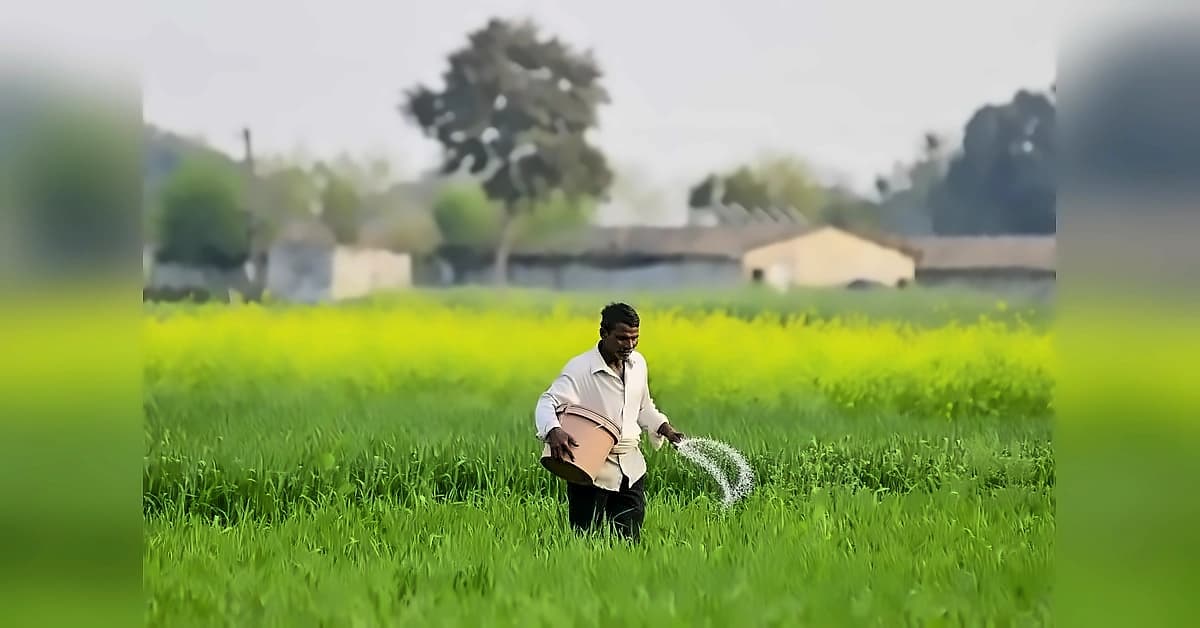
Despite renewed conflict in West Asia disrupting shipping routes and driving up global fertilizer prices, India has sufficient stocks for the ongoing kharif season, with supplies comfortably exceeding demand. Between 1 April and 21 July, the availability of urea, di-ammonium phosphate (DAP), muriate of potash (MOP) and complex fertilizers totalled 30.65 million tonnes (mt) against an estimated seasonal requirement of 20.43 mt, according to fertilizer ministry data reviewed by Mint. Urea availability stood at 16.6 mt against a requirement of 11.2 mt, while DAP availability reached 4.02 mt against a seasonal requirement of 3.2 mt, and MOP availability was 1.4 mt compared with a requirement of 1.0 mt. Complex fertilizers also remained adequately stocked, with NPKS availability at 8.5 mt against a requirement of 4.95 mt. The government has trimmed its fertilizer demand estimate for the ongoing kharif season to 38.39 million tonnes from 39.05 million tonnes after the weather office cut its monsoon forecast, reflecting expectations of slower sowing and lower nutrient consumption. As per Mint, "The slight reduction in fertilizer demand reflects weaker rainfall expectations rather than any structural decline in agricultural activity." The CCS also reviewed fertiliser requirements for the upcoming Rabi season and discussed alternate sourcing options, with Modi directing that all necessary steps be taken to ensure uninterrupted fertiliser supplies.
The crisis has taken a human toll on Indian nationals, with a total of 16 Indian nationals, including 10 seafarers, having lost their lives in West Asia since the outbreak of the conflict, according to information provided to Parliament on Thursday. The situation of Indian seafarers serving on domestic as well as foreign-flagged vessels in conflict zones came up for discussion during the CCS meeting. Modi directed that a mechanism be established to provide timely information, emergency assistance and counselling to seafarers and their families. He also stressed that every effort should be made to safeguard Indian citizens and the Indian diaspora from the impact of the conflict. The Prime Minister emphasised that "every effort should be made to safeguard Indian citizens and the Indian diaspora from the impact of the conflict" and directed that a mechanism be established to provide timely information, emergency assistance and counselling to seafarers and their families.
To reduce vulnerability to global supply disruptions, the Centre has diversified fertilizer sourcing through diplomatic and strategic efforts. Urea is now imported from countries including Oman, Malaysia, Vietnam, Nigeria, Russia, Egypt and Algeria, while DAP and NPK supplies have been secured from Russia, Morocco, Egypt, the US, Jordan and Saudi Arabia through the Red Sea route. As of 10 June, India has secured around 2.5 mt of urea, 1.5 mt DAP and 1.0 mt NPKs from different countries, with the government also floating a global tender on 27 May to procure 1.7 mt urea. India relies on imports for around 60% of its DAP requirement and roughly 15% of its urea and NPK demand, leaving it exposed to global supply disruptions and price swings. The Centre has budgeted ₹1.77 trillion towards fertilizer subsidies for FY27, with India's fertilizer subsidy bill crossing ₹2.17 trillion in FY26. The government also monitors subsidised fertilizer movement through the Integrated Fertilizer Management System (iFMS) and ensures subsidies are released only after Aadhaar-authenticated sales to farmers through the direct benefit transfer (DBT) system.
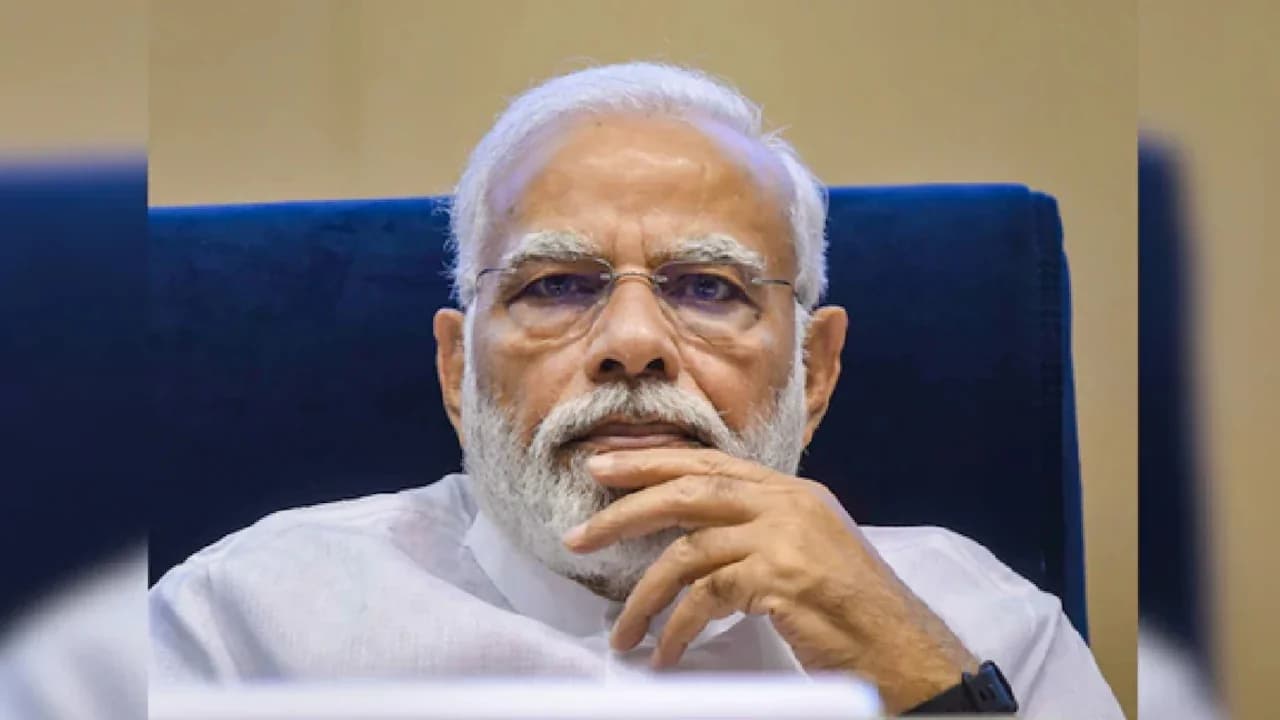
Domestic production has strengthened after natural gas supplies to fertilizer plants were restored to full capacity. India produced 7.15 mt of urea during April-June, exceeding its quarterly target by 369,000 tonnes, while DAP production rose to 984,000 tonnes, above the target of 861,000 tonnes. NPK and SSP output remained robust at 2.07 mt and 1.35 mt, respectively. The Centre said it is assessing demand on a state-wise basis every month to avoid shortages during the peak sowing period, with the Department of Fertilizers preparing supply plans and monitoring availability nationwide. In the longer term, the Prime Minister stressed the need to accelerate India's transition towards renewable energy to strengthen the country's energy security and reduce vulnerability to global geopolitical disruptions. Modi emphasised that "in order to ensure energy independence, emphasis should be made on renewable energy sources including solar energy and other non-fossil-fuel based sources" to reduce dependence on imported fossil fuels.