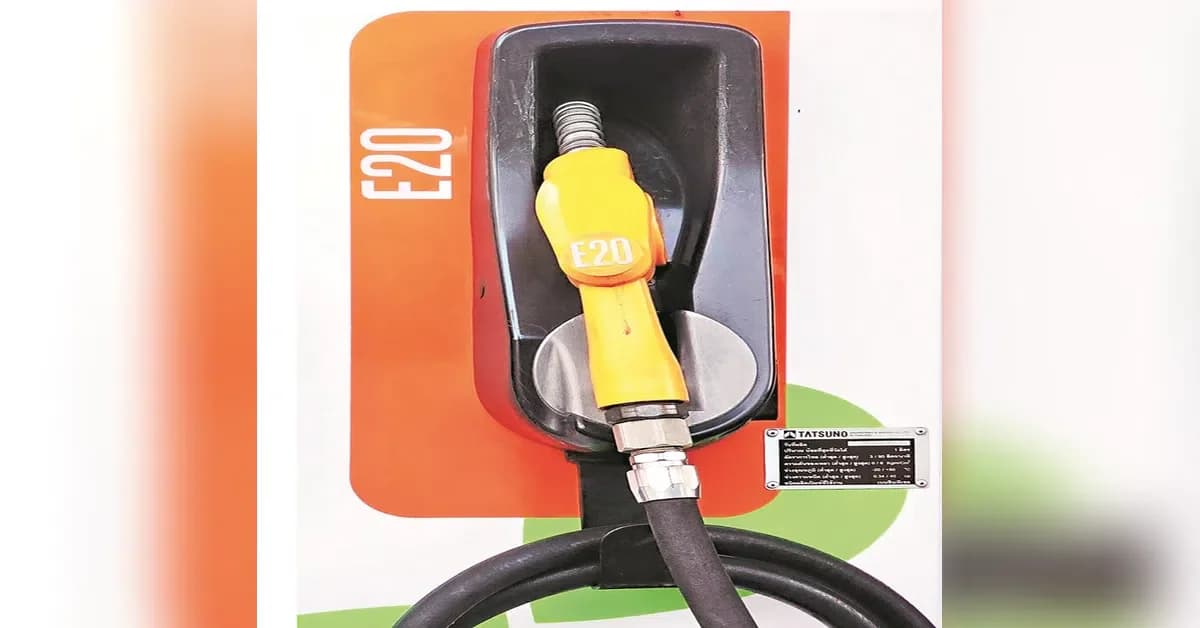
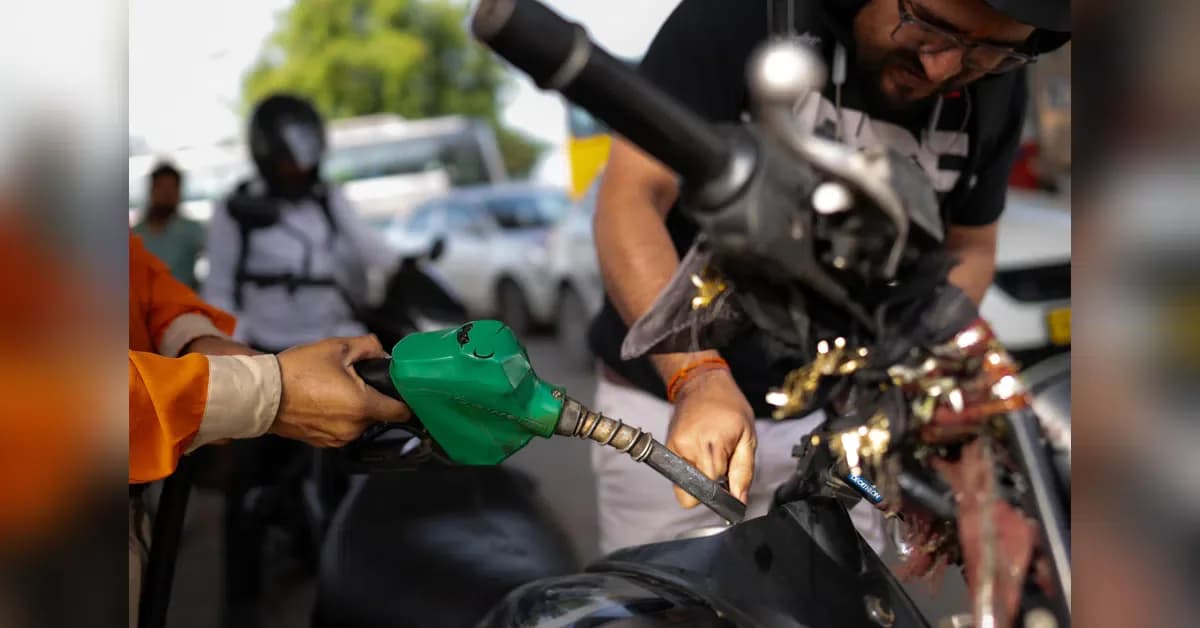
India is considering increasing ethanol blending in petrol from the current 20-25% to a higher level, according to reports from The Times of India. The government is expected to take a calibrated approach to address concerns over fuel efficiency and vehicle impact, as reported by officials familiar with the discussions. This expansion comes as part of a broader strategy to accelerate the transition towards renewable energy amid rising energy costs and global supply disruptions.
The potential ethanol blending increase is being driven by rising energy prices that are creating significant economic pressures across sectors. According to The Economic Times, Dabur India anticipates price hikes in Q1 FY27 due to persistent inflationary pressures, particularly in packaging materials, driven by Middle East tensions. This follows a 4% price increase already implemented, with other FMCG majors like HUL also facing rising component and packaging costs. India's retail inflation likely rose to 3.8% in April from 3.4% in March as higher fuel and LPG costs linked to the US-Iran conflict started feeding into prices.
The potential ethanol blending increase is being driven by the West Asia conflict, which has disrupted global energy supplies and triggered a supply crisis and surge in oil and gas prices, as reported by officials. According to The Times of India, the government is looking at a faster transition towards renewable energy as a strategic necessity, moving beyond environmental considerations to address energy security concerns. The crisis has created a significant global GDP contraction risk with falling oil reserves and tightening supplies potentially leading to shortages.
India has already achieved significant savings through its current ethanol blending program, with 20% ethanol blending helping India save 4.5 crore barrels of crude annually and reduce foreign exchange outflow by around ₹1.5 lakh crore, according to officials cited by The Times of India. These substantial savings demonstrate the practical benefits of the existing blending program and support the case for further expansion, particularly as wholesale inflation is also expected to rise to 4.4% in April.