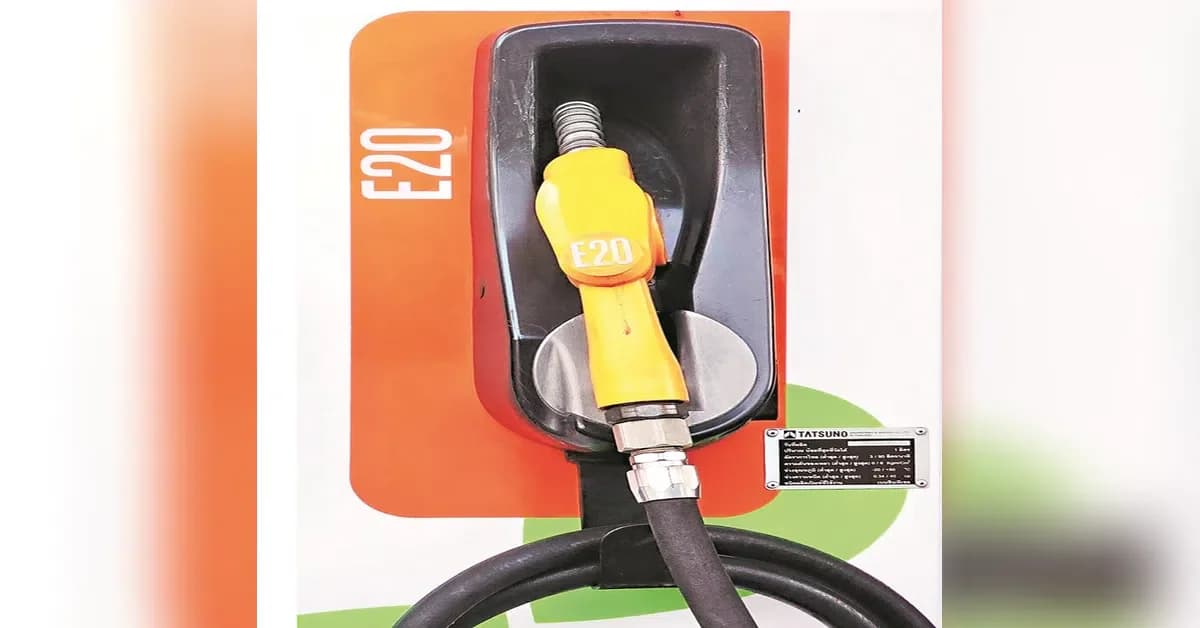
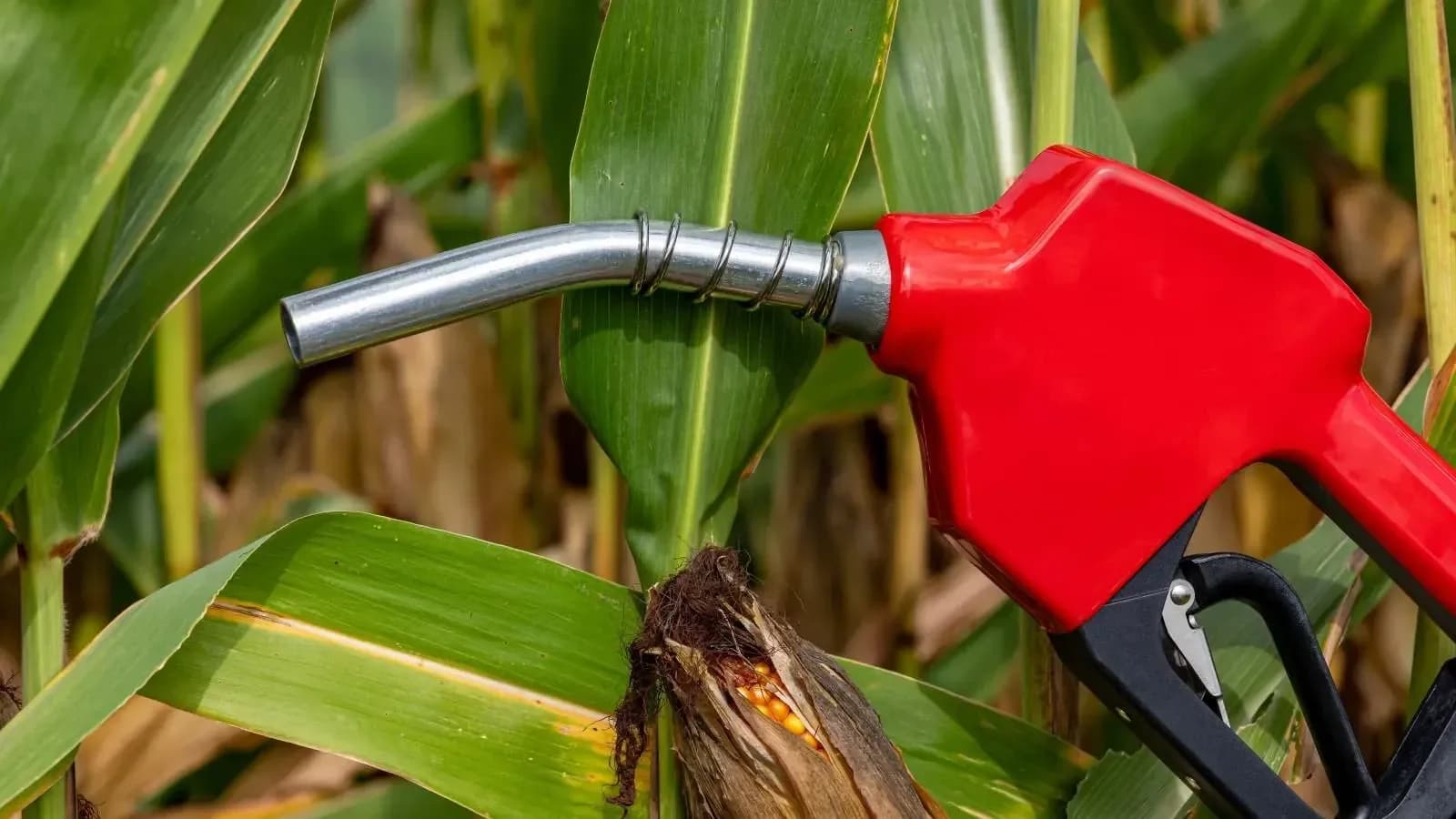
India's ethanol fuel production has experienced dramatic growth, rising from 450 million litres in 2016 to 9,700 million litres in 2025, according to reports from Business Standard. The ethanol-blending rate has shown consistent improvement, moving from just 1% in 2016 to 13% in 2024, and further reaching 20% in 2026. Despite this production increase, consumption levels have closely tracked production growth, indicating effective market absorption of domestic ethanol.
Despite achieving 20% ethanol blending and boosting domestic output, India continues to rely heavily on US imports, maintaining an elevated ethanol trade deficit. The country's ethanol fuel trade deficit stood at $280 million in FY19, widened to $459 million in FY25, and eased slightly to $403 million in FY26, as reported by Business Standard. Production has slightly exceeded consumption for the past three years, yet imports remain substantial.
The United States has significantly increased its share of India's ethanol fuel imports, rising from 79% in FY25 to 94% in FY26, according to Business Standard reports. However, India's total ethanol imports remained under $0.5 billion throughout this period. Union Minister Nitin Gadkari defended India's ethanol-blending policy on July 14, stressing that the ongoing West Asia crisis highlights why the country cannot remain dependent on imported fuel.
Despite import challenges, India has achieved significant global recognition in ethanol blending. The country ranked second globally in ethanol blending in 2025, behind Brazil and ahead of Argentina among ethanol-producing countries, as reported by Business Standard. This ranking demonstrates India's commitment to alternative fuel adoption despite import dependency challenges.