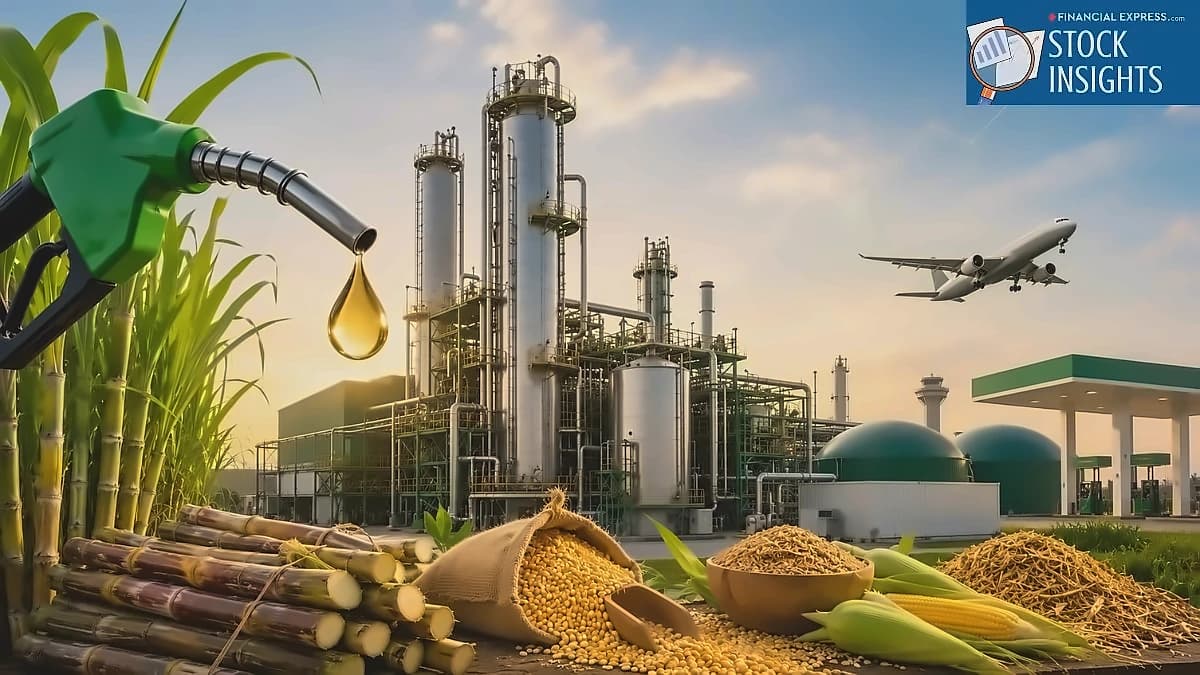
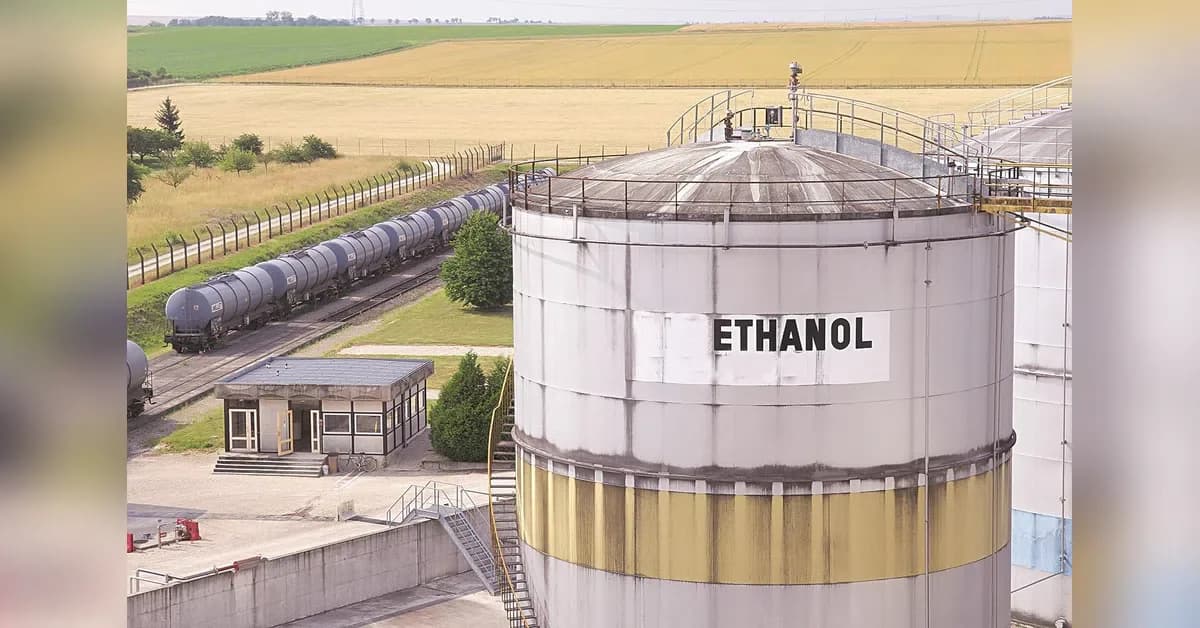
India is accelerating its ethanol fuel network expansion with 5,000 E85 fuel dispensing stations planned by 2027, as announced by Petroleum and Natural Gas Minister Hardeep Singh Puri. The rollout will begin with 50-100 stations across Delhi-NCR and the Mumbai-Pune-Nagpur corridor by the end of 2026, scaling up to 5,000 stations by 2027. Speaking at the launch of the Maruti Suzuki WagonR Flex Fuel, Puri highlighted that E85, a fuel blend containing up to 85% ethanol, has been identified as the mono-fuel standard for flex-fuel vehicles under Bureau of Indian Standards (BIS) specifications. The minister emphasized that E85 is being positioned as one of the cleanest fuel options, even when compared to electric vehicles, as part of India's broader transition towards alternative energy sources. Oil marketing companies will begin selling flex fuel at select outlets in NCR and the Mumbai-Pune-Nagpur corridor before expanding nationwide, with the expansion targeting 500 outlets by December and approximately 5,000 outlets across major cities by the end of next year.
The ethanol expansion is expected to generate substantial economic benefits for farmers and reduce import dependence. Petroleum and Natural Gas Minister Hardeep Singh Puri revealed that if 50% of new two-wheeler and four-wheeler sales transition to flex-fuel vehicles, it could unlock an additional ethanol demand of 311.8 crore litres, generate nearly ₹12,403 crore in additional income for farmers, and reduce carbon emissions by about 66.4 lakh metric tonnes. The minister highlighted that the ethanol blending programme has already led to foreign exchange savings of ₹1.84 lakh crore by replacing 302 lakh metric tonnes of crude oil. India has already achieved 20% blending of ethanol with petrol, up from 1.5% in 2014, with the programme adding ₹1.58 lakh crore to farmers' earnings since 2014-15. Studies suggest that if E85 fuel is priced sufficiently below E20, consumers could recover higher upfront costs in roughly three years through fuel savings.
Union Road Transport and Highways Minister Nitin Gadkari has raised concerns over the 18% GST applicable on fuels with ethanol blending above 20%. According to Kotak News Desk, Gadkari stated that Finance Minister Nirmala Sitharaman has assured that the matter will be discussed with states in a future GST Council meeting. Currently, E20 fuel attracts a GST rate of 5%. The government is also working on regulatory changes that would allow wider use of E85, E100 ethanol, biodiesel and hydrogen-based fuels, with the Ministry of Road Transport and Highways suggesting amendments to the Central Motor Vehicles Rules, 1989. The proposed framework includes E85, a petrol-ethanol blend containing 85% ethanol, and E100, which would enable vehicles to run on nearly pure ethanol, along with B100 biodiesel and hydrogen-CNG combinations, opening the door for flex-fuel and pure biofuel vehicles across multiple vehicle segments.
The ethanol expansion marks another important step in India's journey towards enhanced energy security, lower carbon emissions and reduced dependence on imported crude oil. As reported by Hero MotoCorp, the company's flex-fuel motorcycles - the Splendor+ and HF Deluxe - are priced competitively while offering consumers a highly practical mobility solution. The HF Deluxe Flex Fuel is priced at ₹72,792 (ex-showroom Delhi) and the Splendor+ Flex Fuel at ₹82,710 (ex-showroom Delhi). Speaking at the launch event, Union Road Transport and Highways Minister Nitin Gadkari said India is rapidly advancing the adoption of alternative fuels, with the introduction being a significant step towards reducing crude oil imports and supporting ethanol adoption. The minister emphasized that by significantly lowering the carbon and environmental footprint of daily travel, these vehicles directly support India's national objective of reducing economic carbon intensity by 45% by 2030. Union Minister Gadkari also noted that he expects more automobile manufacturers to enter the flex-fuel segment as India accelerates its shift towards cleaner mobility solutions. Hero MotoCorp Chief Executive Officer Harshvardhan Chitale told Business Standard that the company could roll out flex-fuel variants across all its motorcycle models within two years, with the pace of these launches hinging on the availability and pricing of E85-E100 fuel.
Responding to concerns about oil marketing companies' financial health, Petroleum and Natural Gas Minister Hardeep Singh Puri acknowledged that companies continue to face significant losses while selling retail fuels at lower prices despite higher procurement costs. "They are still quite high...₹500-550 crore per day loss," he said. The minister also addressed energy supply concerns, stating that there has been no shortage of supplies routed through the Strait of Hormuz despite geopolitical tensions. "In the 93 or 94 days that have elapsed (after the attack of the US and Israel on Iran on February 28), there has not been a single dry out anywhere," Puri claimed, adding that there had been attempts by some individuals to create panic by spreading false reports of shortages despite uninterrupted supplies. He emphasized that India is second only to Japan in terms of the lowest increase in fuel prices despite elevated global crude oil prices driven by ongoing geopolitical tensions. The government is working on measures such as pricing support, road-tax concessions, making available E85 testing fuel, special identifiers for FFVs and retail outlets, consumer awareness initiatives, and developing storage and dispensing infrastructure to increase adoption.