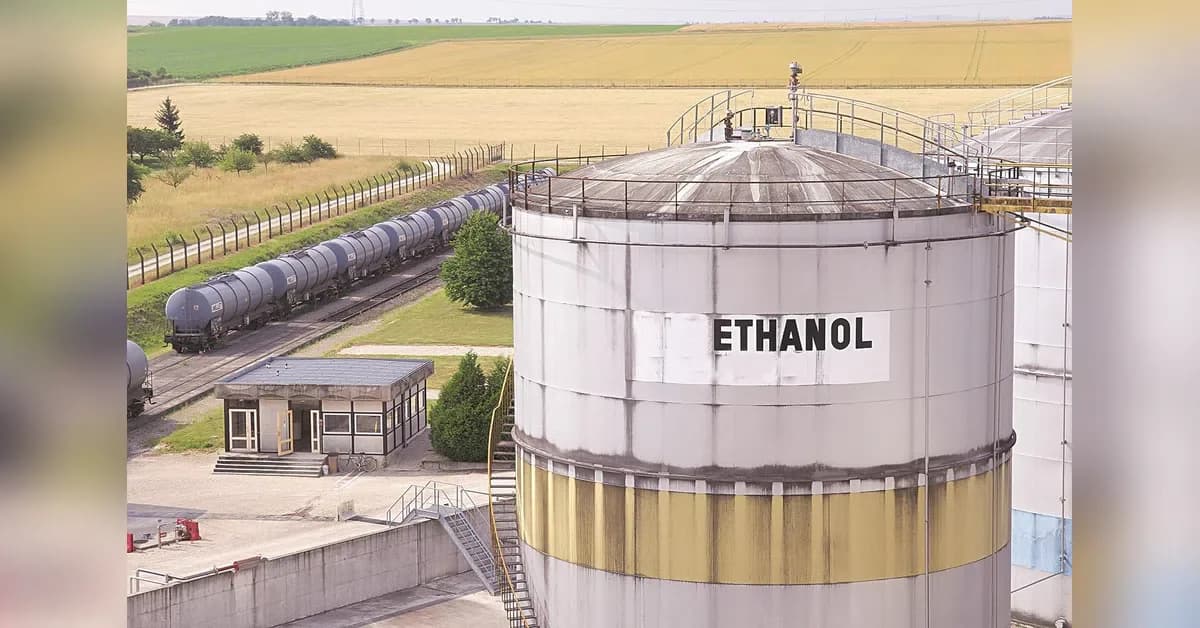
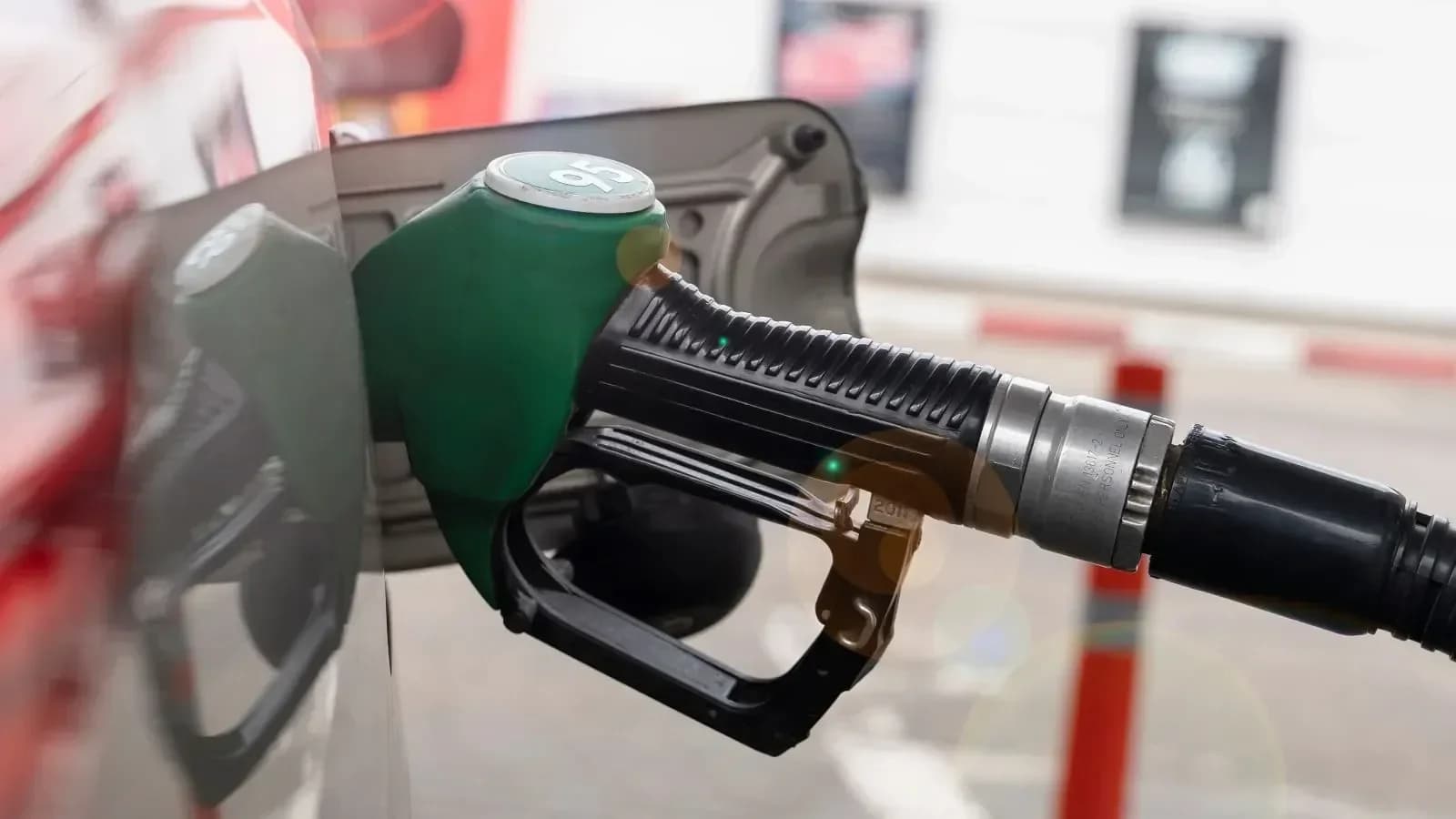
The Ministry of Petroleum and Natural Gas (MoPNG) has announced a concrete plan to establish 5,000 E100 fuel stations across India within two years, beginning with 150 outlets in the country's largest cities within the next month. This ambitious target addresses India's staggering ₹10.9 lakh crore crude oil import bill for financial year 2025-26, with roughly 85-90% of India's crude oil requirements imported from abroad. The government's ethanol mission represents a strategic shift from blending as a supplement to ethanol as a primary fuel, aiming to redirect enormous financial flows currently associated with crude oil imports toward the Indian agricultural sector. The plan confronts a classic chicken-and-egg problem where manufacturers have developed flex-fuel vehicle prototypes but are not manufacturing at scale due to absent fuel infrastructure.
India is rapidly advancing toward E30 petrol norms as part of its clean energy strategy, with E30 fuel containing 30% ethanol and 70% petrol offering greater environmental benefits than current E20 blends. According to recent reports, E30 fuel may require newer or flex-fuel-compatible vehicles that can run on different ethanol-petrol blends such as E20, E30, or E85. The transition addresses India's urgent need to reduce oil imports and lower emissions, with E30 offering higher emission reduction and better oil import savings compared to E20. While newer vehicles perform better with E30, older vehicles may face compatibility issues unless designed for higher ethanol blends, with slight mileage reduction possible due to ethanol's lower energy density than petrol. The government's ethanol blending programme has already demonstrated success, with progressive blending of ethanol with petrol saving ₹1.44 lakh crore in foreign exchange since 2014 at around 15% nationally.
Senior executives of major automobile companies have urged the government to implement a phased rollout strategy for flex-fuel vehicles (FFVs) along with a GST rate cut for flex-fuel two-wheelers to accelerate adoption in India. According to reports from Business Standard, automakers stated that lower pricing of flex fuel compared to the mandatory E20 petrol currently available at fuel stations should be the most important part of the proposed roadmap. The industry believes that flex fuels with higher ethanol content have lower calorific value, resulting in vehicles delivering lower mileage, making price competitiveness crucial for consumer adoption. Major automobile manufacturers have placed a significant condition before the government, stating that the transition will only be successful if high-ethanol fuels like E85 and E100 are priced substantially lower than conventional petrol. The automotive market faces a textbook chicken-and-egg problem where manufacturers have developed FFV prototypes but are not manufacturing at scale because the fuel is not available, while fuel retailers have no incentive to invest in E100 capacity for customers who do not yet exist.
Flex fuel refers to petrol blended with at least 85% ethanol (E85), but is currently not available at retail fuel stations in India. As reported by Business Standard, no mass-market flex-fuel vehicle has been launched in the country as such vehicles are more expensive than comparable petrol-run models. The government views higher ethanol usage as a way to reduce dependence on imported crude oil, as India imports more than 85% of its crude oil requirement while ethanol is produced domestically from agricultural feedstock such as sugarcane and maize. The transport sector is the largest consumer of fuel in India, accounting for 95-98% of petrol demand and 65-70% of diesel demand. During recent meetings at the Ministry of Petroleum and Natural Gas, automobile industry executives emphasized the need for building the required ecosystem for FFVs, including wider availability of higher ethanol-blended fuels and supporting infrastructure. The price of an FFV is always higher than an equivalent petrol-run vehicle, making financial incentives necessary for consumer adoption.
The suggestions from automakers come as the government pushes for E100 fuel to reduce its crude oil import bill, with the MoPNG laying out a phased approach to building India's E100 network that recognizes infrastructure of this kind cannot be conjured overnight. The government's push for Flex-Fuel is driven by the urgent need for energy security, as India currently imports nearly 90% of its crude oil requirements, spending over ₹120 billion dollars in foreign exchange annually. While the government has been hesitant to slash taxes on cars to avoid direct competition with electric vehicles, which enjoy a low 5% GST rate, there is more optimism for policy relief in the two-wheeler segment. The government's energy security concerns are particularly acute given that a large portion of oil comes from West Asia, a region often affected by geopolitical tensions and conflicts. The success of the ethanol mission will depend on policy consistency, pricing clarity for E100 at the pump, credible GST framework that makes the fuel genuinely cheaper than petrol, and sustained political attention across election cycles and ministerial transitions.