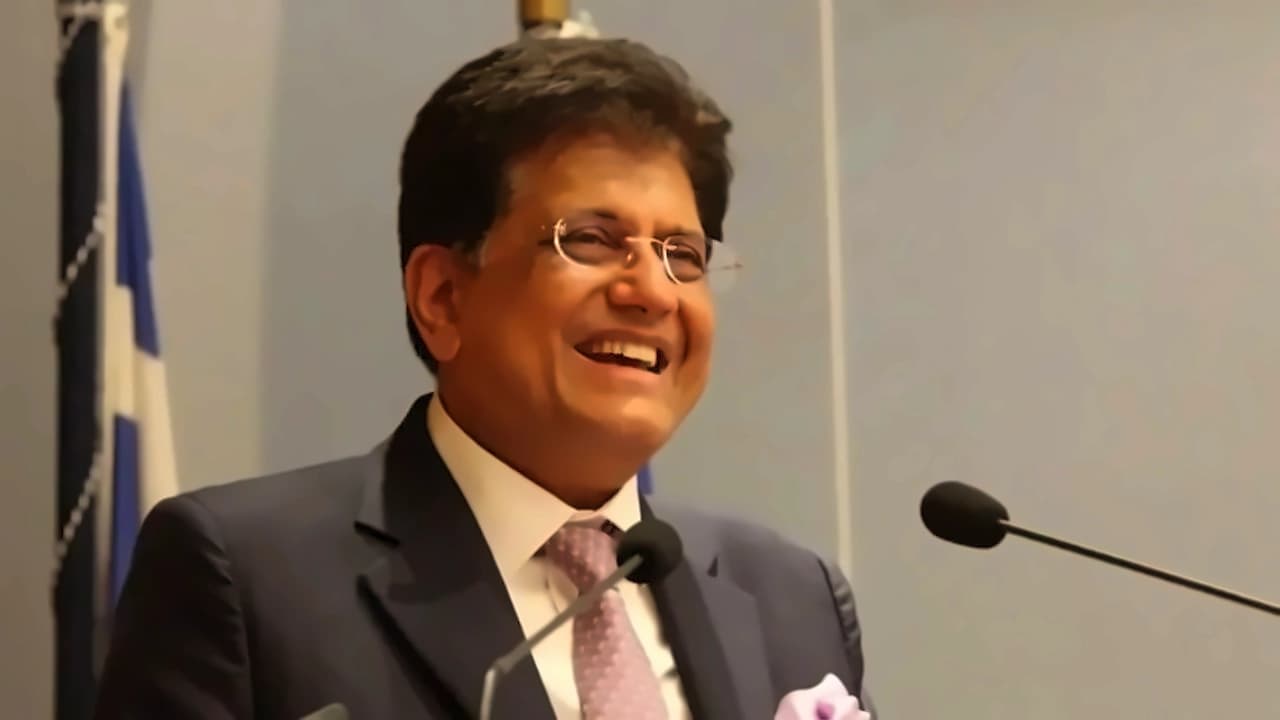
The Department for Promotion of Industry and Internal Trade (DPIIT) organised a stakeholder workshop on Ease of Doing Business, Free Trade Agreement opportunities and ongoing trade-related reforms at Bharat Mandapam, New Delhi, on September 22. During the interaction, Union Minister of Commerce and Industry Shri Piyush Goyal outlined the Government's approach to strengthening export facilitation through physical and digital mechanisms. The minister emphasized that instead of establishing separate offices of every department in every location, integrated Commerce and Industry offices are envisaged in major cities to provide businesses with a common point of access to multiple departments and agencies. As per the latest reports, this represents a shift from establishing separate offices of every department in every location, streamlining the business support infrastructure for exporters and other businesses. The interaction was the first such interaction with a regional industry association, demonstrating the government's commitment to direct industry engagement and strengthening Government-Industry partnership in addressing practical barriers to trade.
Commerce and Industry Minister Piyush Goyal announced the establishment of a proposed network of approximately 1,000 trained local personnel to support exporters and prospective exporters at the district and state levels. According to the commerce ministry statement, these personnel will be trained and subsequently deployed to provide handholding support to businesses, including through industry chambers and regional associations. The initiative aims to enhance support for existing and prospective exporters at the grassroots level, focusing specifically on leveraging Free Trade Agreements (FTAs) for export growth. As per the latest reports, these personnel will be trained with knowledge of regional languages to better serve local exporters and improve accessibility to government support services. The workshop brought together representatives from industry associations, trade bodies and sectoral organisations, along with senior officials of DPIIT and the Department of Commerce, focusing on ongoing EoDB reforms, trade facilitation measures, opportunities under India's FTAs and challenges faced by industry in accessing markets.
Commerce Minister Piyush Goyal announced that India's nine trade agreements, including the nearly concluded US pact, will collectively provide preferential market access to economies accounting for $60 trillion in gross domestic product (GDP). Speaking at the 13th Annual Forum of the Public Affairs Forum of India (PAFI) in New Delhi, Goyal stated that "this collectively gives us preferential market access, to GDP of 60 trillion dollars. So now we have a 70 trillion dollar umbrella where seamlessly goods can flow." He emphasized that India's approach to trade negotiations had changed, with the country now negotiating from a position of strength and seeking fair, equitable and balanced agreements. Goyal noted that India is close to concluding four bilateral investment treaties (BITs) with the UK, EU, Oman and Qatar, with each pact based on an updated BIT framework. He also mentioned that India has recently initiated negotiations with Canada, demonstrating the country's active pursuit of comprehensive trade agreements. The minister said India was pursuing negotiations with Canada, Chile, Peru, the South African Customs Union (SACU) and Mexico, besides ongoing negotiations with the Maldives.
The minister announced the development of a Trade Connect platform designed to provide exporters with comprehensive product-wise and HSN-code-wise information, including destination-country tariffs, FTA opportunities and procedures for availing FTA benefits. The platform is envisioned to use digital and AI-enabled tools to help businesses identify potential export opportunities and infrastructure gaps. This digital initiative represents a significant step in modernizing export support services and providing exporters with real-time access to trade-related information and regulatory requirements under India's expanding network of Free Trade Agreements. The workshop covered a dedicated session on recent FTAs and trade facilitation reforms, providing industry with an overview of opportunities and obligations arising from India's trade agreements, along with ongoing measures relating to digitalisation, documentation and simplification of trade-related processes and procedures. Industry representatives highlighted the need for greater interoperability between government systems and foreign trade platforms, including digital transmission and verification of Certificates of Origin under FTAs.
The industry reported that measures including Quality Control Orders (QCOs), Minimum Import Price (MIP) provisions and higher import duties have supported significant growth, contributing to a 15-fold expansion, fresh investments of approximately ₹500 crore and the generation of around 5,000 new jobs. The roller chain and industrial components manufacturing sector highlighted the positive impact of recent policy interventions in strengthening domestic manufacturing capacity. Industry representatives from sectors including pharmaceuticals, textiles, man-made fibres, copper, automotive and engineering, air-conditioners and logistics, along with MSMEs and women entrepreneurs raised issues relating to export competitiveness, trade documentation, regulatory processes, FTA utilization, logistics and regulatory certainty for MSMEs. The industry appreciated these interventions for supporting domestic manufacturing capacity, encouraging investment and creating employment opportunities. The interaction also covered logistics and trade-process bottlenecks, including documentation backlogs and concerns relating to sea-freight costs.
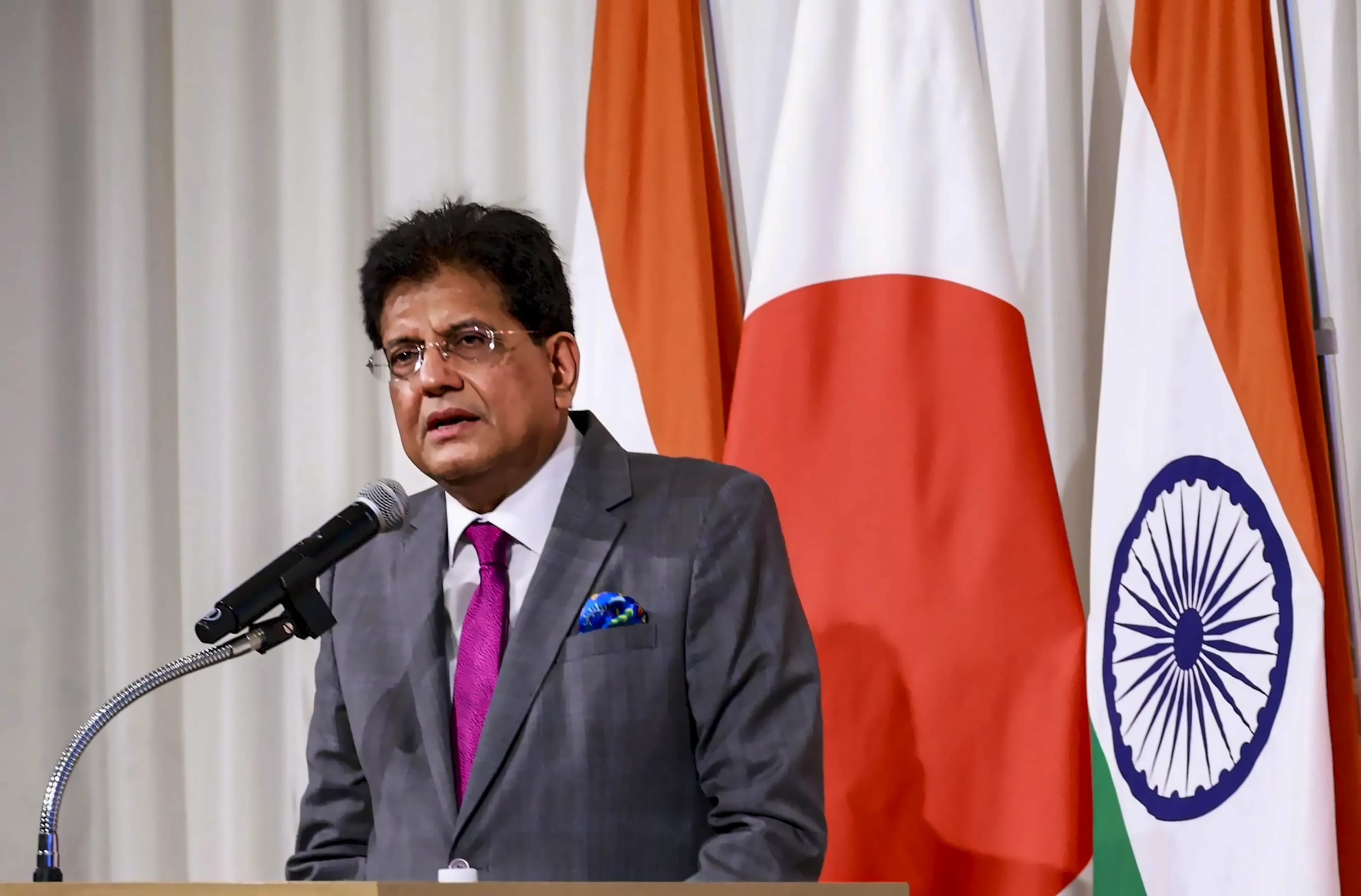
Suryansh Jalan, CBO of FarEye, highlighted that India's free trade agreements can open markets, but export growth depends on whether an Indian manufacturer can promise a competitive delivered price, reliable delivery date and simple returns process. According to his comments, the commerce ministry's next policy push should help MSMEs build these capabilities. Jalan emphasized that many businesses can manufacture for the world, but serving overseas consumers requires access to an integrated fulfilment network. He suggested that digital platforms can help exporters understand FTA eligibility and rules of origin, estimate landed costs, validate documentation and track orders across partners. AI can support better routing, inventory placement and early responses to disruption, while shared infrastructure can give smaller exporters access to logistics capabilities typically available to larger enterprises. Success should be measured in lower costs, predictable deliveries and repeat overseas orders - that is how preferential market access becomes lasting demand for Indian products. The importance of quality and adherence to international standards for strengthening India's export credibility was also emphasised, with industry associations and Export Promotion Councils encouraged to support awareness and compliance with destination-market standards.