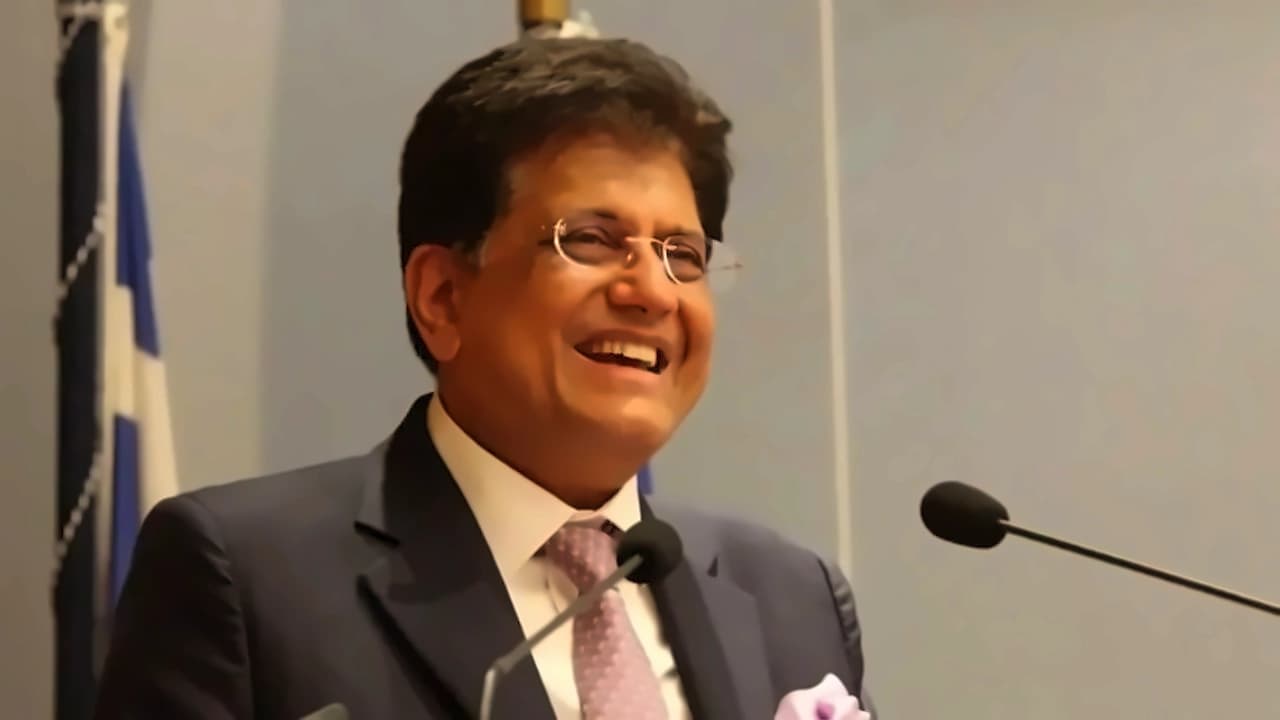
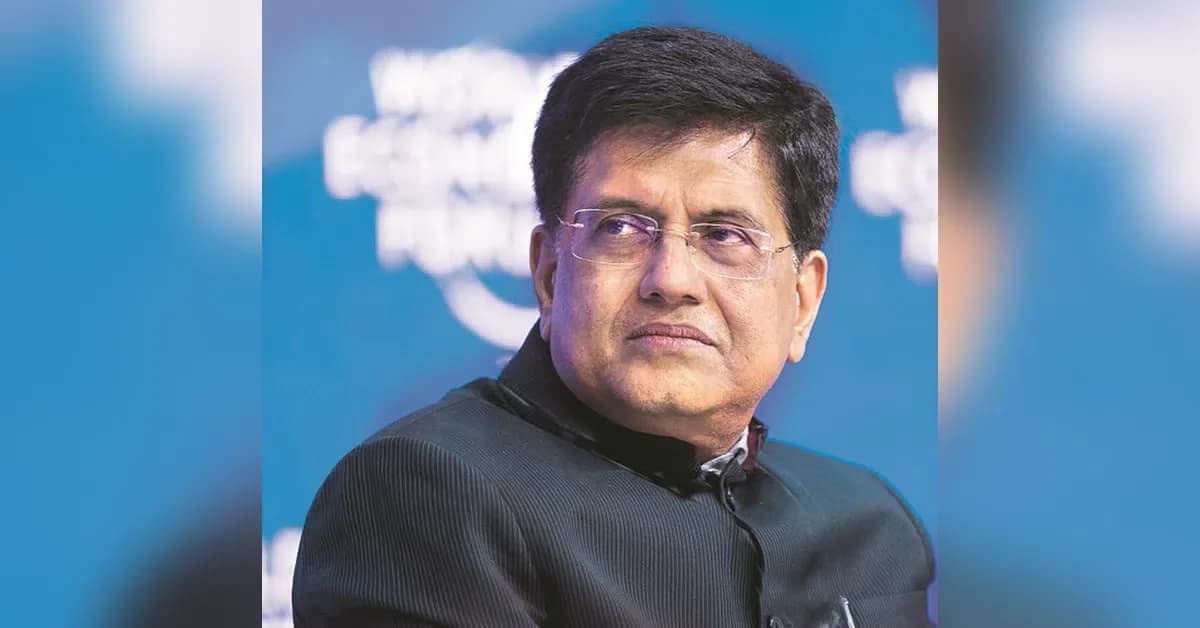
Commerce and Industry Minister Piyush Goyal concluded his four-day visit to Japan from August 24-27, 2026, successfully advancing India's efforts to secure ¥10 trillion (around $60 billion) in Japanese investment into India during the mission. According to the commerce ministry's statement, the mission focused on manufacturing, semiconductors, clean energy, automotive and other sectors as India seeks to strengthen economic ties with Japan. FICCI Director General Jyoti Vij confirmed that MoUs are expected during the visit, with several already finalized and more emerging during and after the mission. The visit reflected the scale of ambition both nations bring to their special strategic and global partnership, with Goyal traveling to Tokyo, Nagoya and Osaka during the four-day mission. As reported by NDTV Profit, the delegation included representatives from manufacturing, semiconductors, clean energy, steel, automotive, financial services, healthcare and startups, demonstrating the comprehensive nature of India's engagement with Japanese industries.
During the India-Japan Startup Roundtable held in Tokyo on August 27, 2026, Commerce Minister Piyush Goyal highlighted India's emergence as the world's third-largest startup ecosystem with nearly 250,000 startups established over the last decade. According to Business Standard, Goyal emphasized that India's large domestic market, deep STEM talent pool, digital public infrastructure and rapidly expanding innovation ecosystem make it an attractive destination for Japanese technology, investment and innovation partnerships. This milestone demonstrates India's rapid transformation into a global startup powerhouse, positioning the country as a key partner for Japanese businesses seeking to expand their presence in the Asian market.
During his Wednesday roundtable on startups, Goyal proposed a groundbreaking India-Japan startup pitching series modeled after the popular 'Shark Tank' format to connect young entrepreneurs from both countries with investors and business partners. According to Business Standard, Goyal said such pitching sessions could be organized virtually, leveraging digital connectivity, to facilitate greater interaction between Indian and Japanese startups. The initiative would allow Indian startups to pitch their ideas to Japanese investors, while Japanese startups could seek partners and business opportunities in India. Goyal emphasized that in the world of global connectivity through Zoom calls and the internet, more pitching sessions can help move from initial pitches towards actual business collaboration. He noted that the initiative could help deepen commercial ties between the two countries by moving from pitches to pilots, to investment, and to scale.
The 200-plus member delegation held extensive discussions with government leaders, financial institutions and business executives, including more than 30 major Japanese companies and institutions such as MUFG, Mizuho, Nomura, Nippon Life, Development Bank of Japan and Morgan Stanley MUFG Securities. According to FICCI, the planned site visits to manufacturing plants, innovation centres and other facilities would provide businesses with direct exposure to Japanese technologies and innovations. Several Indian startups are also part of the delegation and are expected to use the visit to understand Japan's innovation ecosystem and identify potential areas for future partnerships. Vij noted that these 15 visits will unlock significant opportunities by providing direct insights into current innovations and technological advancements. On the minister's engagements, Goyal will meet several prominent CEOs and industry leaders over the next two days, with discussions focused on understanding how engagement can be deepened further and addressing their specific priorities and perspectives.
During the visit, Goyal highlighted India's ambition to build a globally competitive semiconductor ecosystem, with semiconductor demand projected to reach $150 billion by 2032. He outlined the government's six-pillar strategy, including chip design, semiconductor machinery and materials, fabrication, back-end processing, research and development, and talent building. According to Business Standard, Goyal emphasized that the country's large pool of skilled and young talent, combined with Japan's cutting-edge technology, engineering expertise and manufacturing capabilities, can catalyse a world-class semiconductor and technology revolution in India. Japan has made considerable investments in the semiconductor sector, with Japanese firm Tokyo Electron collaborating with Tata Electronics to accelerate semiconductor equipment infrastructure in India. It has set up a commercial semiconductor fabrication plant (fab) in Dholera, Gujarat, and an outsourced semiconductor assembly and test (OSAT) facility in Jagiroad, Assam. Goyal also committed that his ministry would develop a framework to ease compliance and regulatory norms, including the Bureau of Indian Standards (BIS) certification requirement, to further ease the business environment for Tokyo Electron and other foreign firms interested in investing and manufacturing high-tech products in India.