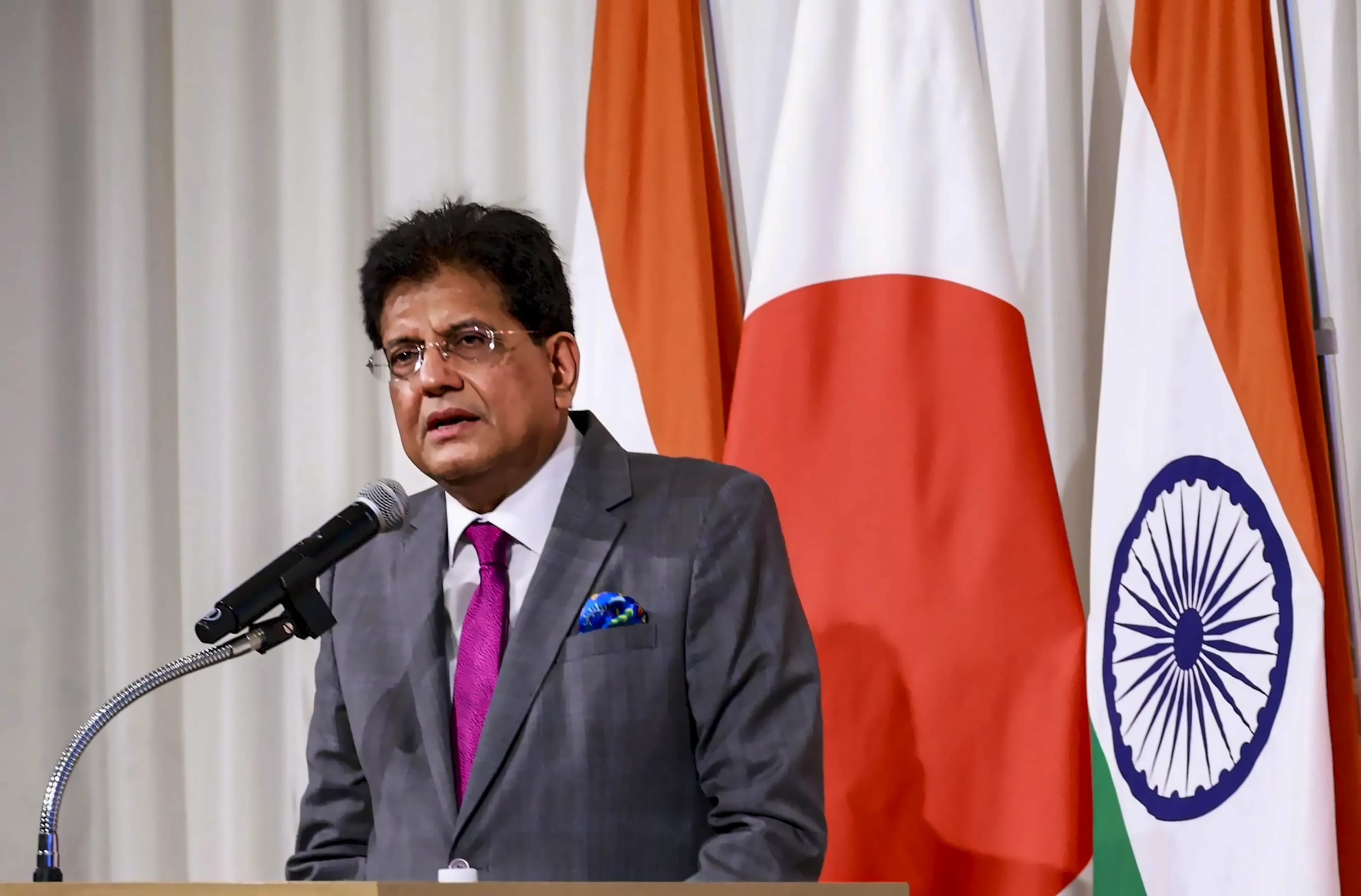
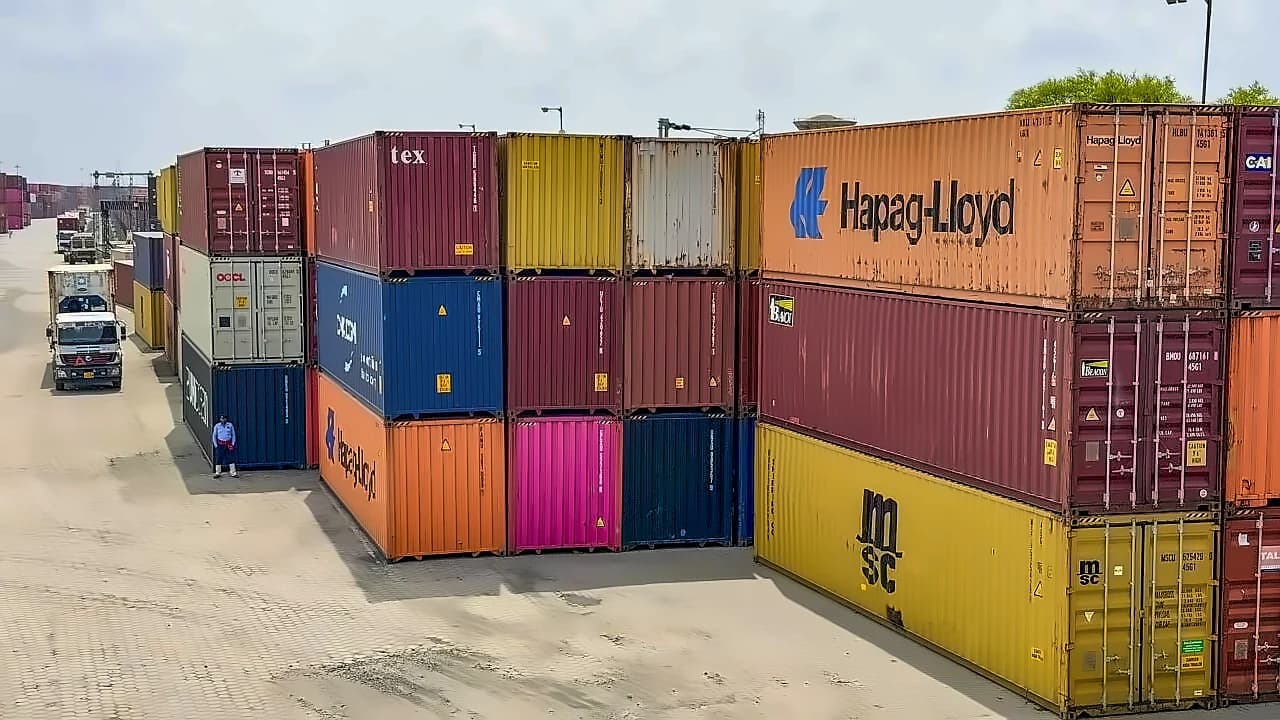
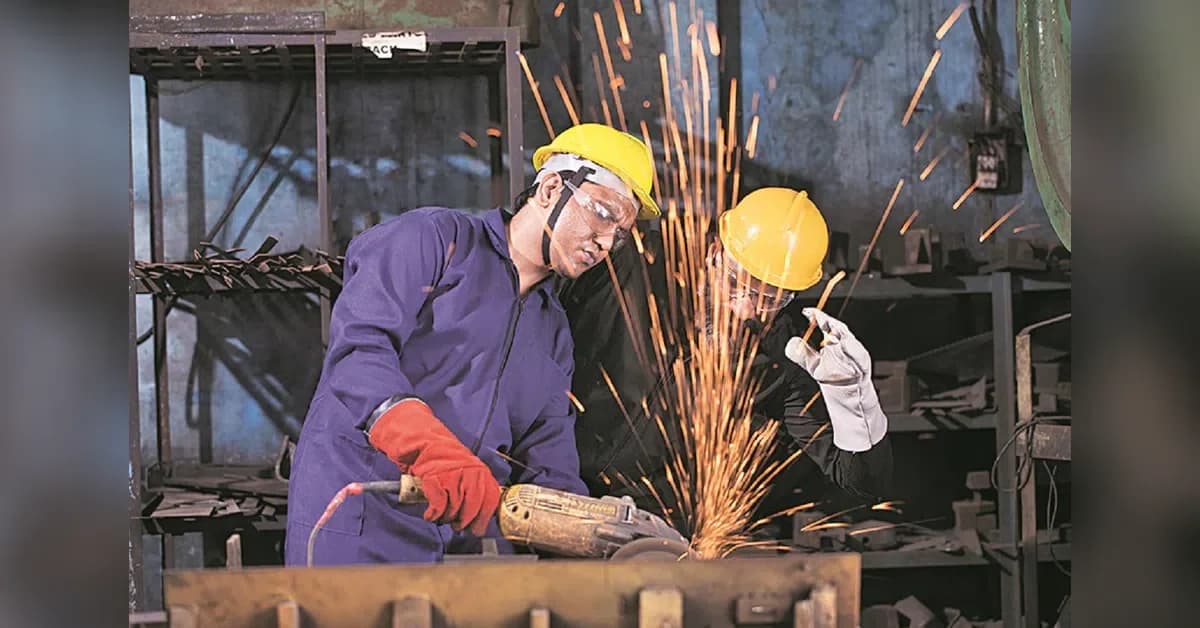
The Government has launched comprehensive initiatives to diversify India's export markets in response to evolving global geopolitical and economic developments. According to reports from Business Standard, these strategic measures aim to reduce dependence on traditional export destinations and expand India's global trade footprint. The initiative encompasses multiple approaches to enhance India's export competitiveness and market access across various sectors, with the Commerce and Industry Ministry confirming that these efforts are intended to help Indian exporters navigate evolving challenges while improving market access, boosting exports and enhancing the competitiveness of domestic industries, particularly micro, small and medium enterprises (MSMEs), startups and labour-intensive sectors. As per PIB Delhi, Minister of State for Commerce and Industry Mr. Jitin Prasada stated in a written reply in the Lok Sabha that the Government is pursuing trade negotiations with major economies while implementing targeted export promotion measures through the Export Promotion Mission, Districts as Export Hubs initiative, Export Promotion Councils, Indian Missions abroad and industry associations.
The Export Promotion Mission (EPM) was launched in 2025 with a total outlay of ₹25,060 crore (US$ 2.67 billion) for the period FY 2025–26 to FY 2030–31. As reported by PIB Delhi, the mission operates through two integrated sub-schemes: NIRYAT PROTHSAHAN, focused on improving access to trade finance through interest subvention, export factoring, collateral guarantees, credit enhancement support, and credit guarantees for e-commerce exporters, and NIRYAT DISHA, covering export quality and compliance support, international branding and packaging, market access initiatives, export logistics and warehousing, and trade intelligence. The mission provides comprehensive support to exporters through Export Promotion Mission, Indian Missions overseas, Export Promotion Councils (EPCs), and industry associations, with the Commerce and Industry Ministry confirming that these measures are designed to promote exports through the Export Promotion Mission, Indian Missions abroad, Export Promotion Councils and industry bodies. According to PIB Delhi, the mission supports trade finance, export credit, quality compliance, branding, logistics and market intelligence, with the Export Promotion Mission, launched with an outlay of ₹25,060 crore (US$ 2.67 billion) for FY26-FY31, supporting these comprehensive export promotion activities.
A key component of the diversification strategy involves expanding the network of Free Trade Agreements (FTAs) and Comprehensive Economic Partnership/Cooperation Agreements (CEPAs/CECAs). According to PIB Delhi, these agreements are entered into primarily with the aim of increasing bilateral trade through enlarging market access scope and building trade complementarities. The FTAs facilitate preferential market access for labour-intensive sector products like textile, apparel and leather goods, while including provisions on Technical Barriers to Trade (TBT) to improve transparency, promote mutual understanding of standards and enhance transparency. The government engages with trading partners through bilateral, regional and multilateral mechanisms to address non-tariff barriers and improve market access for Indian exports. As per the latest reports from the Commerce and Industry Ministry, recent trade agreements with countries such as the United Arab Emirates, Australia, Oman, the United Kingdom and New Zealand, along with ongoing negotiations with the European Union, Canada, Israel, Peru and the Eurasian Economic Union, are expected to expand market access, promote bilateral trade and investment, address non-tariff barriers and create new opportunities for labour-intensive sectors including textiles, apparel and leather. The India-New Zealand Free Trade Agreement, signed in April 2026, is currently under the ratification process.
Under the Districts as Export Hubs (DEH) initiative, the government is implementing district and sector-specific export promotion initiatives with a district-level framework for decentralised export promotion. As reported by PIB Delhi, in each district, efforts focus on identifying and prioritising 3–5 products/services with viable export potential for targeted interventions. The government has also implemented the E-Commerce Export Hub (ECEH) initiative on a pilot basis to create an integrated ecosystem for e-commerce exports by facilitating logistics, customs clearances and other export-related services. Recent policy measures include removing the per-consignment value limit of ₹10 lakh for exports through courier mode and simplifying reverse logistics for cross-border e-commerce exports. The government has relaxed export reconciliation requirements for exports of up to ₹10 lakh and removed the per-consignment value limit for courier exports to facilitate cross-border e-commerce exports. The Reserve Bank of India has relaxed export reconciliation requirements for small-value exports up to ₹10 lakh by permitting closure of export transactions in the export data processing and monitoring system on the basis of declarations furnished by exporters and reconciliation undertaken by banks. The government is accelerating cross-border e-commerce exports through policy reforms and infrastructure development, particularly benefiting micro, small and medium enterprises, startups and artisans.
The government is implementing capacity-building programmes to support export competitiveness, particularly focusing on enhancing capabilities of small and medium enterprises. According to PIB Delhi, the Refund of Duties and Taxes on Exported Products (RoDTEP) Scheme aims to refund currently un-refunded duties/taxes/levies borne on export products, including prior stage cumulative indirect taxes. The PM Gati Shakti National Master Plan (NMP) was launched to facilitate data-based decisions related to integrated planning of multimodal infrastructure, thereby reducing logistics costs. The Ministry of Micro, Small and Medium Enterprises has established 65 Export Facilitation Centers (EFCs) across the country to provide mentoring support to MSMEs in exporting their products and services. The government has also implemented the International Cooperation Scheme to support exporters and strengthen India's presence in global markets, with the Commerce and Industry Ministry noting that this scheme helps MSMEs participate in international trade fairs, exhibitions, conferences and buyer-seller meets while reimbursing eligible expenses. Together, these initiatives are expected to strengthen export infrastructure, reduce logistics costs, improve ease of doing business, expand India's global trade footprint and reinforce the country's position as a resilient and competitive export-driven economy.
The government has made significant progress in expanding its trade partnerships through recent and ongoing negotiations. According to the Commerce and Industry Ministry, India has signed several major trade agreements in recent years, including those with Mauritius, the United Arab Emirates, Australia, the European Free Trade Association (EFTA), Oman and the United Kingdom. The India-New Zealand Free Trade Agreement, signed in April 2026, is currently under the ratification process. The Ministry also noted that negotiations are underway for trade agreements with the Eurasian Economic Union, Peru, Chile, Israel, Canada and the Maldives, besides upgrade negotiations with South Korea, Sri Lanka and Australia. It added that the review of the ASEAN-India Trade in Goods Agreement is also in progress, demonstrating the government's commitment to diversifying its trade relationships and enhancing export opportunities across multiple regions. These recent trade agreements with countries such as the United Arab Emirates, Australia, Oman, the United Kingdom and New Zealand, along with ongoing negotiations with the European Union, Canada, Israel, Peru and the Eurasian Economic Union, are expected to expand market access, promote bilateral trade and investment, address non-tariff barriers and create new opportunities for labour-intensive sectors including textiles, apparel and leather.