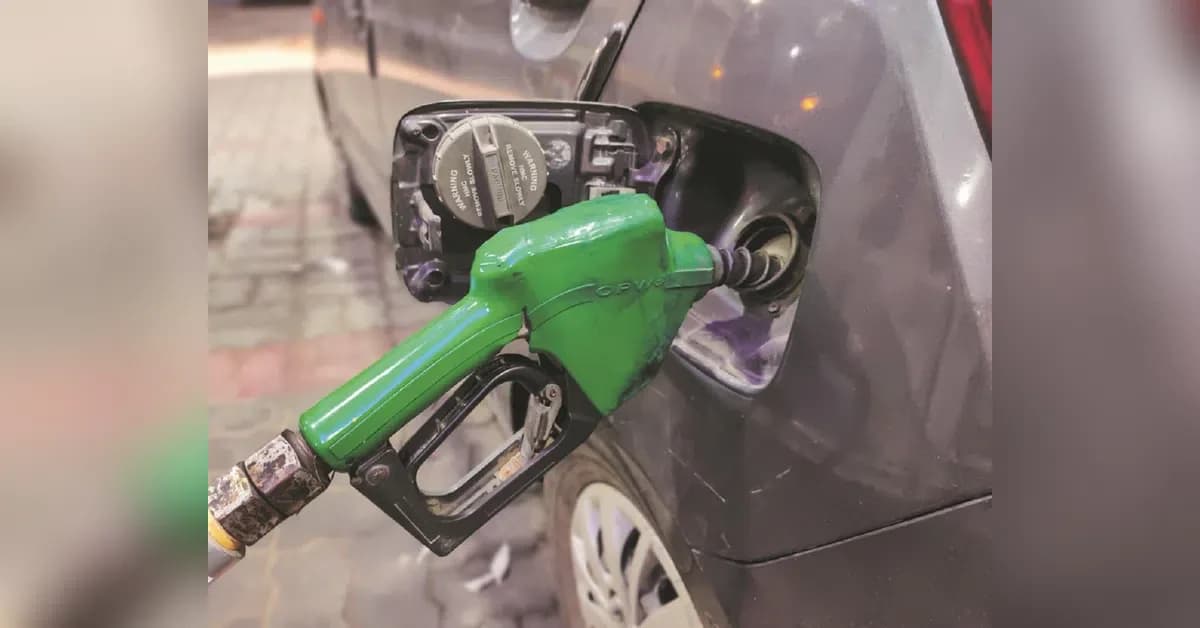
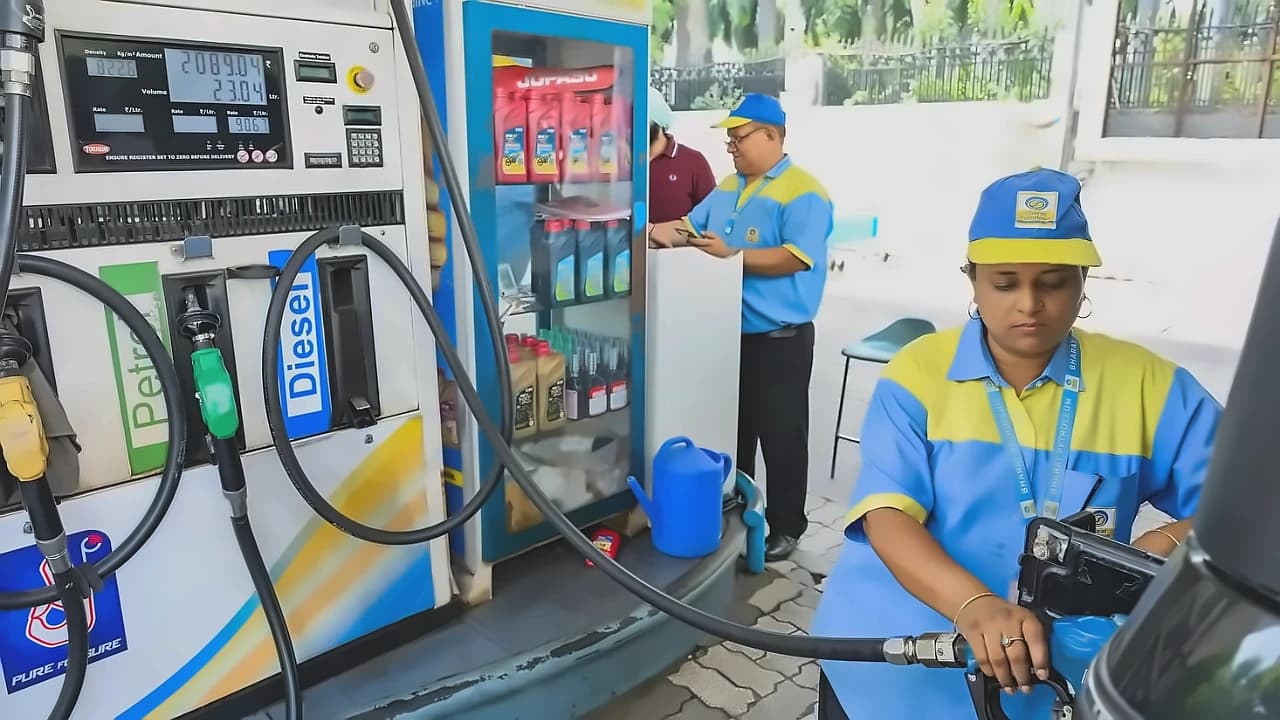
Prime Minister Narendra Modi confirmed that India successfully navigated one of the biggest global energy crises through proactive policies, diversified fuel sourcing, and strong diplomatic ties, with minimal burden on citizens. At the worst of the crisis, daily under-recovery reached approximately ₹1,000 crore, which was absorbed by the State and public sector companies. The government's approach involved cutting excise duty on petrol by ₹10 per litre and reducing diesel excise duty to nil on March 27, followed by a ₹3 per litre revision on May 15 to bring cumulative increases to just 7-10% despite a 65% crude price spike. As per PM Modi, oil companies incurred losses of over ₹75,000 crore between April and June due to rising global prices, but the government absorbed the burden to shield consumers from soaring energy costs. Modi also revealed that attempts were made to spread rumours and create panic during the crisis, but those with malicious intentions did not succeed.
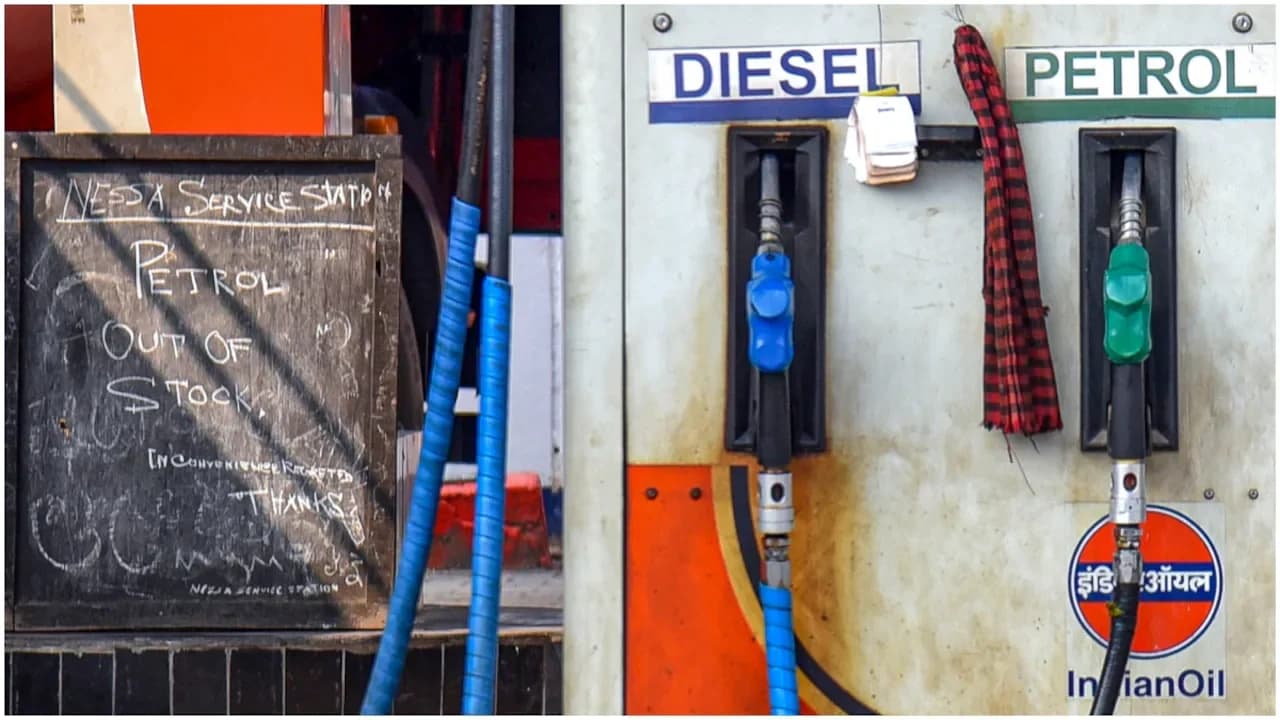
The Centre has revised export levies on petrol, diesel and aviation turbine fuel (ATF) for the fortnight beginning July 1, implementing significant changes across all three fuel categories. According to reports from Essential Business Intelligence, the export levy has been fixed at ₹4 per litre on petrol, ₹8.5 per litre on diesel and ₹7.5 per litre on ATF. These duties will remain in force for the next fortnight and will continue to be reviewed periodically in line with movements in global crude oil and refined fuel prices. The government has expanded exemptions for exports by state-run oil marketing companies (OMCs) to Mauritius and the Maldives under the revised framework.
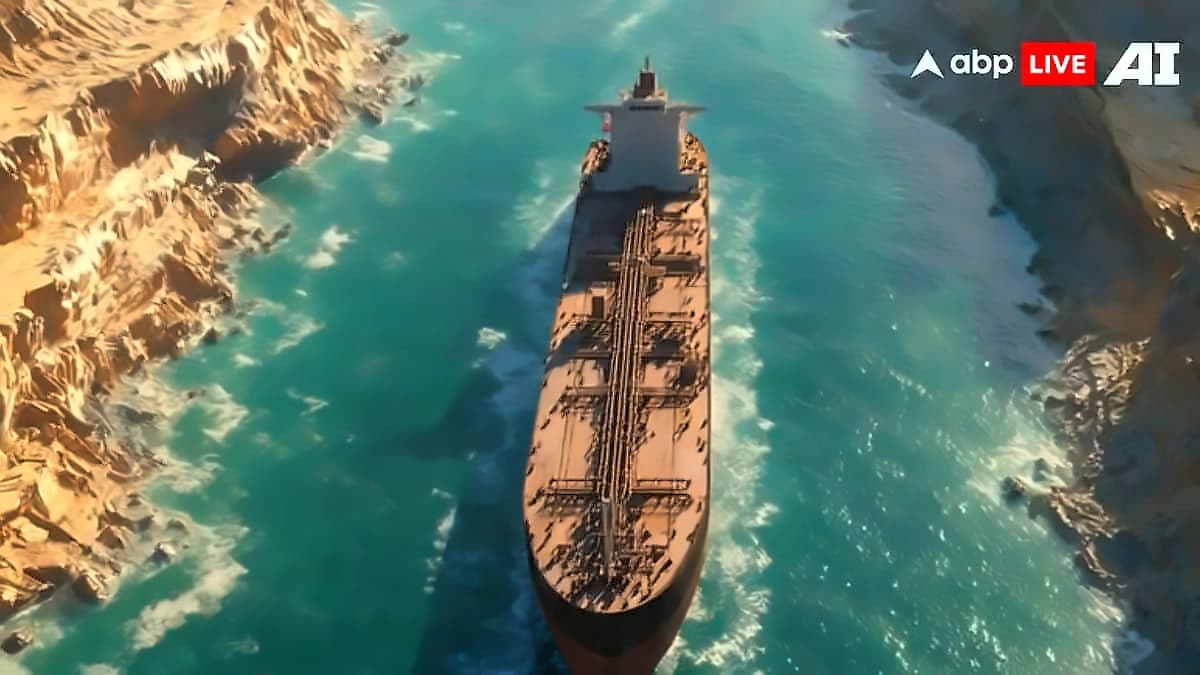
PM Modi revealed that India's energy sourcing strategy was a key factor in crisis management, with the country expanding its import base significantly during the West Asian conflict. When the crisis began, India was importing energy from about 25-26 countries, but during the crisis, we increased this to more than 40 countries, he stated. This diversified sourcing approach, combined with diplomatic outreach, helped India maintain supply security despite global disruptions. The Prime Minister attributed this turnaround to India's diplomatic efforts and strategic energy partnerships established during the crisis period, crediting India's strong relations with other nations for helping greatly during the fuel supply challenges.
The government's commitment extended to cooking gas, where the global LPG benchmark rose approximately 46% but household prices were held at ₹942 per cylinder, with Ujjwala prices remaining at ₹642 after direct benefit transfers. This protected over 10 crore Ujjwala families throughout the crisis without exception. The LPG Control Order directed refineries to divert propane and butane streams to cooking gas production, with domestic LPG output rising significantly within seven days. Most notably, the United States displaced the Gulf as India's dominant LPG supplier, with volumes rising from 180,000 tonnes monthly to over 1 million tonnes in 90 days. Commercial LPG to hotels, restaurants and industry was suspended or curtailed to ensure household supply remained intact.
During his visit to Pachpadra in Balotra district, PM Modi inaugurated the country's first greenfield integrated refinery-cum-petrochemical complex, marking a significant milestone in India's energy infrastructure development. The refinery represents Rajasthan's first of any kind and demonstrates the government's commitment to expanding domestic refining capacity. Modi emphasized that the country has become the world's fourth-largest in refining capacity and continues to expand, highlighting India's growing energy independence. The Prime Minister also credited his government's long-term policies with overcoming global disruptions in fuel and fertiliser supply caused by the war between Iran and the US-Israel combine, reinforcing India's strategic energy resilience. Speaking on self-reliance, Modi said the dignity of both individuals and nations depends on becoming self-sufficient, while emphasizing that the BJP government ensures project completion instead of merely announcing them.