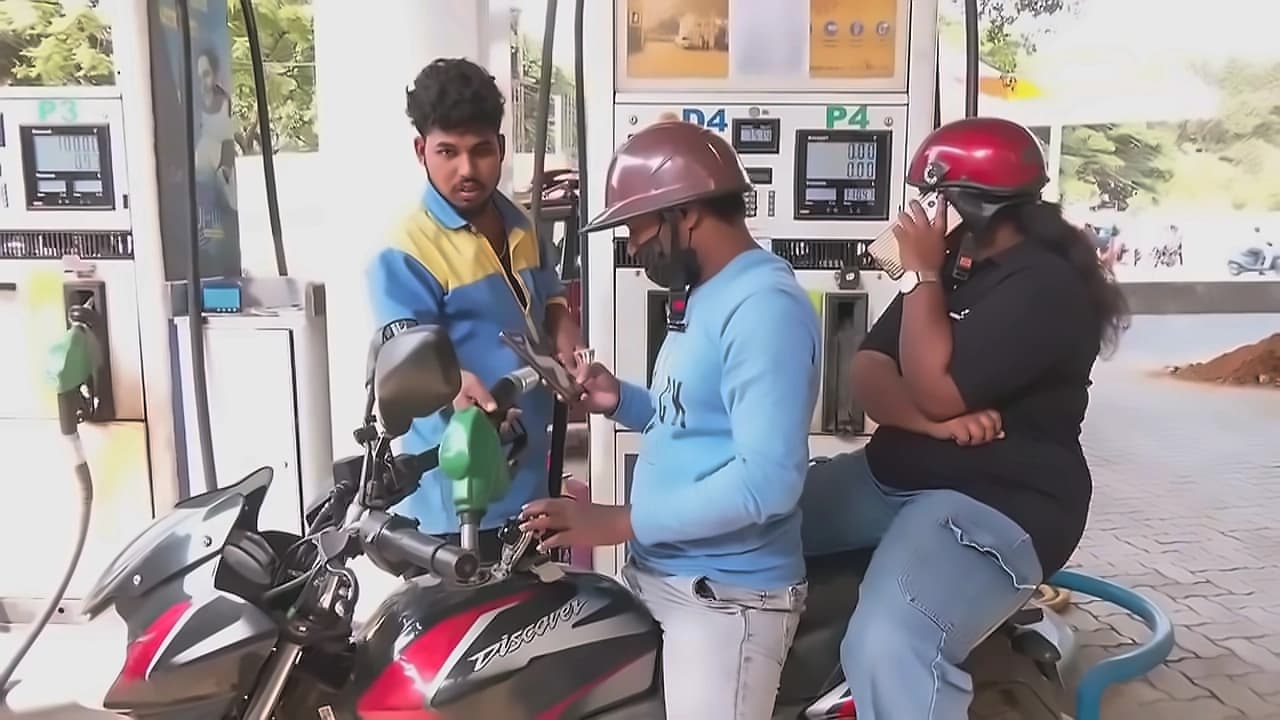
While several countries across the world witnessed sharp increases in petrol and diesel prices following the West Asia crisis and disruption around the Strait of Hormuz, India recorded one of the smallest increases in retail fuel prices, with cumulative hikes of around 5 per cent despite rising global crude oil prices. The recent phased revisions by oil marketing companies (OMCs) -- Indian Oil Corporation Limited, Bharat Petroleum Corporation Limited, and Hindustan Petroleum Corporation Limited -- raised petrol prices by about ₹4.74 per litre and diesel prices by about ₹4.82 per litre through revisions on May 15, 19 and 23. The increase came after nearly 76 days during which domestic fuel prices were largely held steady despite volatility in international crude markets. By comparison, India's petrol prices rose by around 5 per cent and diesel prices by about 5.3 per cent during the period, making it one of the lowest increases among major fuel-importing economies.
The modest increases in India stand in stark contrast to global price surges during the same period. Myanmar recorded an increase of nearly 90 per cent in petrol prices and over 112 per cent in diesel prices, while Malaysia saw petrol prices rise by more than 56 per cent and diesel by over 71 per cent. Pakistan witnessed increases of nearly 55 per cent in petrol and 45 per cent in diesel prices, and neighbouring Nepal recorded a rise of over 38 per cent in petrol prices and nearly 59 per cent in diesel prices. Among developed economies, the United States recorded increases of around 44.5 per cent in petrol and 48.1 per cent in diesel prices, while the United Kingdom saw petrol prices rise by over 19 per cent and diesel by more than 34 per cent. China reported petrol price increases of over 21 per cent and diesel increases of around 24 per cent, and South Korea witnessed hikes of 19 per cent in petrol and 26 per cent in diesel prices.
According to ANI, India has managed to avoid fuel shortages through aggressive diversification of oil imports despite disruptions around the Strait of Hormuz. Dubey explained that Indian energy companies have significantly expanded their sourcing network, going from 20 supply points to nearly 40 supply points, which includes Russia, Africa, and several other regions. Dubey noted that with more than 2 million barrels of oil being stopped at the Straits of Hormuz due to ongoing geopolitical instability, managing this situation is possible through diversified supply sources. He noted that fuel consumption in India has actually increased after the West Asia conflict war, 'and still, we are able to manage without any shortages'. Dubey credited diplomatic efforts and diversification for insulating India from shocks despite geopolitical tensions, stating that managing the shortfall was possible 'through the diversification of supply sources only'.
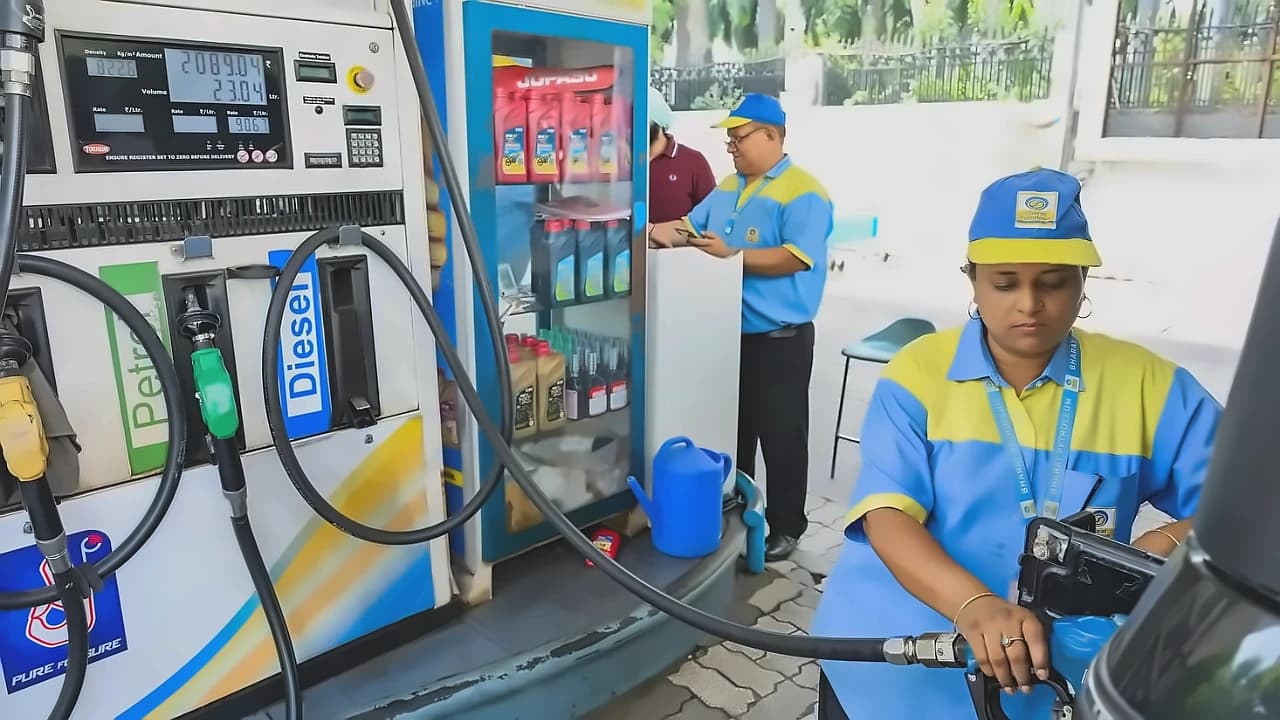
The Centre had earlier reduced excise duties on petrol and diesel multiple times since 2021, including a cut of ₹10 per litre on both petrol and diesel in March 2026, ahead of the Hormuz disruption, which helped moderate the impact of rising crude prices on consumers. As reported by ANI, India absorbed a significant portion of the increase in crude oil costs through excise duty cuts and by limiting pass-through to consumers. The government's proactive approach to managing fuel price volatility has been crucial in maintaining price stability during the current crisis. Despite these recent hikes, oil companies are still facing under-recoveries of around ₹13 per litre on petrol and ₹38 per litre on diesel.