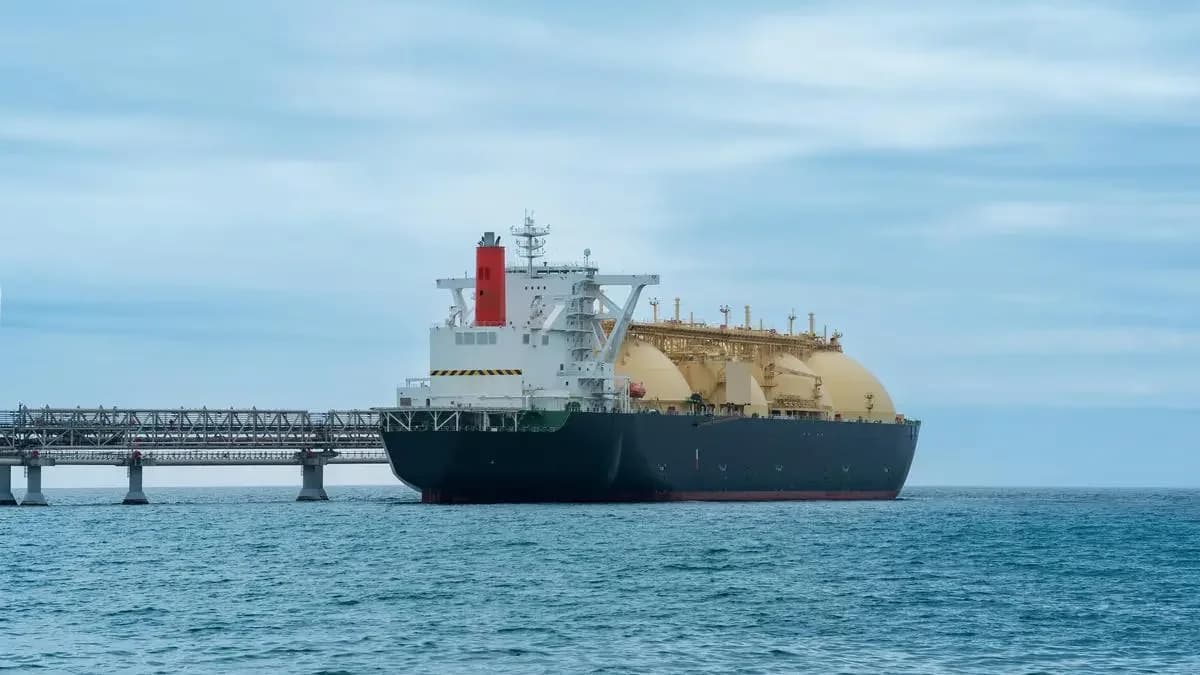
India successfully moved over 12 LPG vessels through the Strait of Hormuz without paying any tolls during the nearly four-month closure, according to Union Petroleum Minister Hardeep Singh Puri. As reported by IANS, Puri stated that India navigated what he described as the largest energy disruption in modern history while effectively shielding energy consumers from negative impacts. The minister emphasized that India under the leadership of PM Narendra Modi effectively protected domestic consumers from supply shortages and global energy turmoil, with Puri noting that "over 12 Indian LPG vessels were quietly moved out of Hormuz without paying any tolls" as reported on social media platform X. The strikes on Iran on 28 February shut the single most important chokepoint on the global energy map, with LPG presenting the sharpest test as US and West Asia are the only two major LPG exporters in the world. Nearly 60% of India's LPG consumption used to be supplied from West Asia, and much of that supply went, almost overnight, to zero.
Experts credit India's robust energy resilience to diversified sourcing and proactive government intervention, which effectively prevented fuel shortages and protected consumers during the Strait of Hormuz disruption. Former Engineers India Limited (EIL) Chairman and Managing Director Vartika Shukla told IANS that the Hormuz disruption highlighted India's enhanced energy resilience, as uninterrupted supplies and minimal retail price impact were ensured through proactive government measures, diversified sourcing and sustained investments in energy security infrastructure. Former Hindustan Petroleum Corporation Limited (HPCL) Chairman and Managing Director M.K. Surana noted that when the conflict in West Asia began and shipping through the Strait of Hormuz was disrupted, many observers expected India to face severe fuel shortages because of its heavy dependence on imported crude oil. "When the conflict started and the Strait of Hormuz was closed, most commentators expected that India, which is 85 per cent import-dependent when it comes to crude oil, would completely collapse because petrol would not be available," he said. Surprisingly, while many countries around the world had to introduce emergency measures such as odd-even fuel rationing, compulsory work from home, and shutting petrol pumps at 5 p.m., Indian citizens did not have to face any such emergency measures.
India rapidly reconfigured refineries to significantly boost cooking gas production during the crisis. According to Puri's statement, LPG production increased from 35 thousand metric tonnes (TMT) per day to 54 TMT per day within days of the emergency measures being implemented. The minister noted that several refineries that had never produced cooking gas were reconfigured within this short timeframe to meet increased domestic demand, with Puri confirming that "refineries that had never made cooking gas were reconfigured within a few days and production was raised from 35 TMT a day to 54 TMT a day". The LPG Control Order was passed on 8 March, which mandated all refineries to divert all their C3-C4 carbon streams to maximise LPG production. Empty vessels were sent even as cargoes were being secured from the US, vessels were sent inside Hormuz to get new cargos and fresh supply lines were opened with several countries such as Algeria, Japan and Canada.
India established fresh LPG supply arrangements with multiple countries to ensure uninterrupted energy supplies. As reported by IANS, the government secured alternative LPG supplies from Algeria, Japan, and Canada, while additional cargoes were secured from the United States to meet domestic demand. Puri highlighted that India diversified crude oil import sources, expanded energy infrastructure, and secured alternative LPG supplies from multiple countries to protect cooking gas and fuel supplies, ensuring that "cooking gas and fuel supplies remained stable despite the global energy turmoil". The government secured cargos and ship to ship transfers were done from Yanbu and Fujairah ports down the Red Sea route. Former HPCL Chairman M.K. Surana noted that the government's strategy of diversifying crude oil imports and sourcing supplies from more than 40 countries played a crucial role in reducing the impact of the Hormuz disruption and enhancing India's long-term energy security.
The government implemented several consumer protection measures during the energy crisis. According to Puri's statement, India reduced central excise duty on fuel by ₹10 per litre in March and made digital authentication mandatory for cooking gas to prevent diversion by black marketers. The minister confirmed that cooking gas going to homes was protected in full during this period, ensuring stable supplies despite the global energy turmoil, with Puri noting that "cooking gas going to homes was protected in full and digital authentication code was made mandatory to prevent diversion of this precious supply by black marketers". The government imposed 25 days and 45 days limit so that every citizens gets cylinders when he needs it but no one is able to hoard cylinders. As commercial cylinders are not regulated and any one buyer could have bought entire supplies available at once, it was routed through industry associations and state civil supplies departments so that everyone gets enough but no one can hoard. As many genuine users including migrants also used to buy cylinders from agents who could not now procure due to DAC requirement, a 5 kg free trade cylinder was made available across the country until its offtake had roughly doubled.