India's crude oil import bill climbed to $14.7 billion in June as elevated global crude prices amid supply disruptions outweighed a decline in import volumes. According to the Petroleum Planning & Analysis Cell (PPAC), India imported 18.9 million tonnes of crude oil in June, 7.1% lower than the 20.3 million tonnes imported in the same period last year. The sharp rise comes as the Indian basket crude price averaged $85.47 per barrel during June, against $69.77 per barrel a year earlier. Crude oil remains India's largest import item, accounting for around 20% of the country's merchandise import bill. Energy prices have surged in recent months due to supply disruptions triggered by the blockage of traffic through the Strait of Hormuz, constraining supplies from West Asia.
To ensure fuel availability during the ongoing crisis, India imported around 50% of its crude oil requirements from Russia in June, while the United Arab Emirates (UAE) and Venezuela were also among the top suppliers. As reported by Business Standard, Indian refiners have stepped up crude oil imports from Russia and non-traditional suppliers such as Venezuela, Brazil, and Angola. India sources around 90% of its domestic crude oil requirements, 50% of liquefied natural gas (LNG), and 60% of its liquefied petroleum gas (LPG) requirements from the global market. The country's net oil and gas bill, which reflects spending on imports of petroleum products minus earnings from exports of refined products, rose 36.4% YoY in June to $13.1 billion.

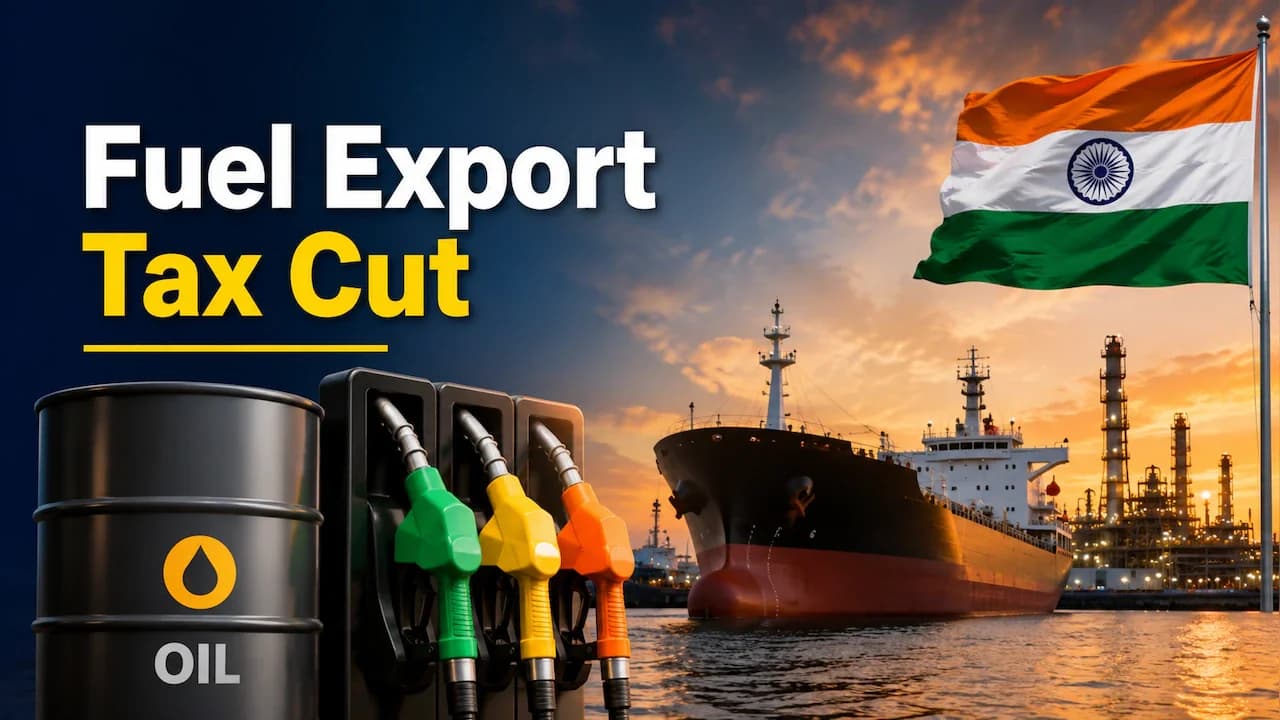
India has implemented significant adjustments to windfall taxes on key petroleum product exports as global oil prices surge amid the US-Iran conflict. According to the latest government notification, the export duty on diesel has been raised to ₹15.5 per litre for the second half of July, up from ₹8.50, while gasoline exports have been reduced to ₹2.5 per litre from ₹4.00. Aviation turbine fuel (ATF) exports have been increased to ₹14.5 per litre from ₹7.50. These changes reflect the latest fortnightly review of export duties and demonstrate the government's responsive approach to market conditions. The revised duties, announced through a Finance Ministry notification, came into effect on Thursday, July 16, following a sharp recovery in crude oil prices this month.
The tax adjustments come as Brent crude climbed about 17% in July after recording declines for three consecutive months through June. The global benchmark gained about 2% on Wednesday to touch a one-month high of $84.73 a barrel after the United States resumed a naval blockade of Iran. The move renewed concerns over crude supplies passing through the Strait of Hormuz, a key shipping corridor that accounted for about one-fifth of global oil flows before the conflict. Crude prices also found support from renewed geopolitical tensions and attacks on oil tankers, though worries over inflation and slowing global demand capped further gains. The government has levied excise duty on exports of petrol, diesel, and aviation turbine fuel since the beginning of the West Asia crisis to discourage exports while prioritising domestic demand amid supply constraints.
The June figures represent a significant escalation in India's energy import costs. India's crude oil import bill rose 61% to $49.8 billion in the first three months (April-June) of the current financial year, while the net oil and gas bill increased 45% to $44.9 billion. The government's windfall tax framework has been revised multiple times in response to market conditions, with earlier adjustments made on July 1 when state-owned oil marketing companies reduced ATF prices by about ₹5 per litre after global crude prices eased. Supply disruptions, including lower diesel shipments from Russia, have also pushed up diesel refining margins, adding pressure to fuel markets.