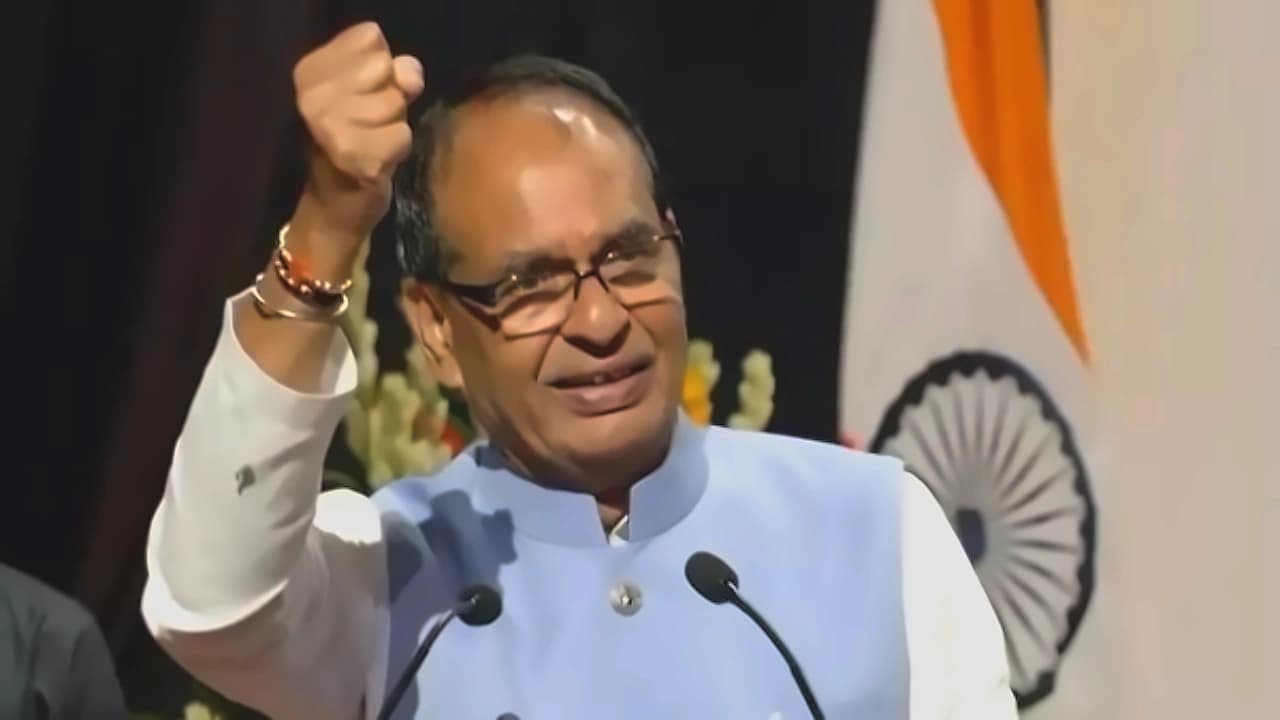
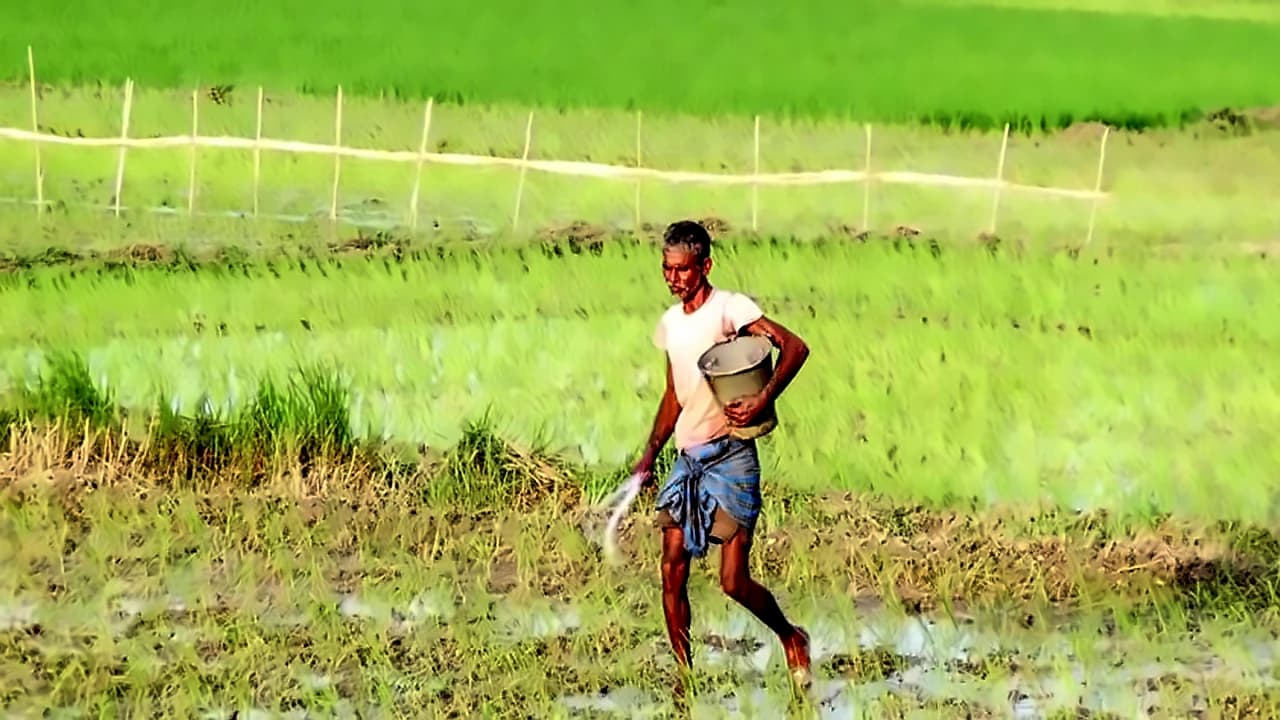
India's central government is preparing comprehensive strategies to tackle potential challenges posed by the El Niño weather pattern, which may adversely affect this year's kharif crops. According to Devdiscourse, the Union Agriculture Ministry is prioritizing strategic planning, focusing on integrated farming practices and boosting self-reliance in vital commodities like pulses and oilseeds. At the National Kharif Conference, Agriculture Minister Shivraj Singh Chouhan emphasized preparedness over concern, advocating for crop adjustments in vulnerable regions. As meteorological agencies predict below-average monsoon rainfall, plans include identifying alternative crops and ensuring seed availability for affected districts. Odisha has launched an extensive kharif 2026 preparedness plan as IMD forecasts indicate a below-normal monsoon and possible El Niño effect. Deputy Chief Minister and Agriculture Minister Kanak Vardhan Singh Deo instructed all concerned departments and district administrations to work in coordination to safeguard farmers and reduce risks from weak rainfall.
The India Meteorological Department (IMD) had, in its first-stage forecast on April 13, projected a below-normal southwest monsoon for 2026, with rainfall likely to be around 92 per cent of the long-period average. As reported by PTI, the World Meteorological Organization (WMO) has indicated a probable return of El Niño conditions as early as May-July, while the US-based National Oceanic and Atmospheric Administration (NOAA), in its May 11 ENSO update, said El Niño conditions are likely to emerge during May-June and persist through year-end. El Niño, characterised by unusual warming of surface waters in the eastern tropical Pacific Ocean, is typically associated with drier and hotter conditions in India. The IMD forecast includes a margin of error of ±5%, providing some flexibility in the projections.
Under the national strategy, officials have been asked to promote short and medium-duration varieties of paddy, pulses, oilseeds and millets in areas likely to face deficient rainfall, while crop diversification in upland and rain-fed regions will also be encouraged. As per UNI, "community nursery" arrangements will be activated in case of delayed monsoon. The government has decided to maintain adequate buffer stocks of paddy, pulse and oilseed seeds to deal with any weather-related contingency, with Odisha State Seeds Corporation (OSSC) authorities asked to ensure timely distribution of certified seeds by the first week of June, with priority to remote and vulnerable districts. In rain-deficit-prone regions, officials have been told to ensure sufficient stocks of short- and medium-duration paddy, along with pulses, oil seeds and millets. The government will bear the entire farmer premium for coverage up to two hectares under the Pradhan Mantri Fasal Bima Yojana (PMFBY), requiring beneficiaries to pay only Re 1 as token registration fee.
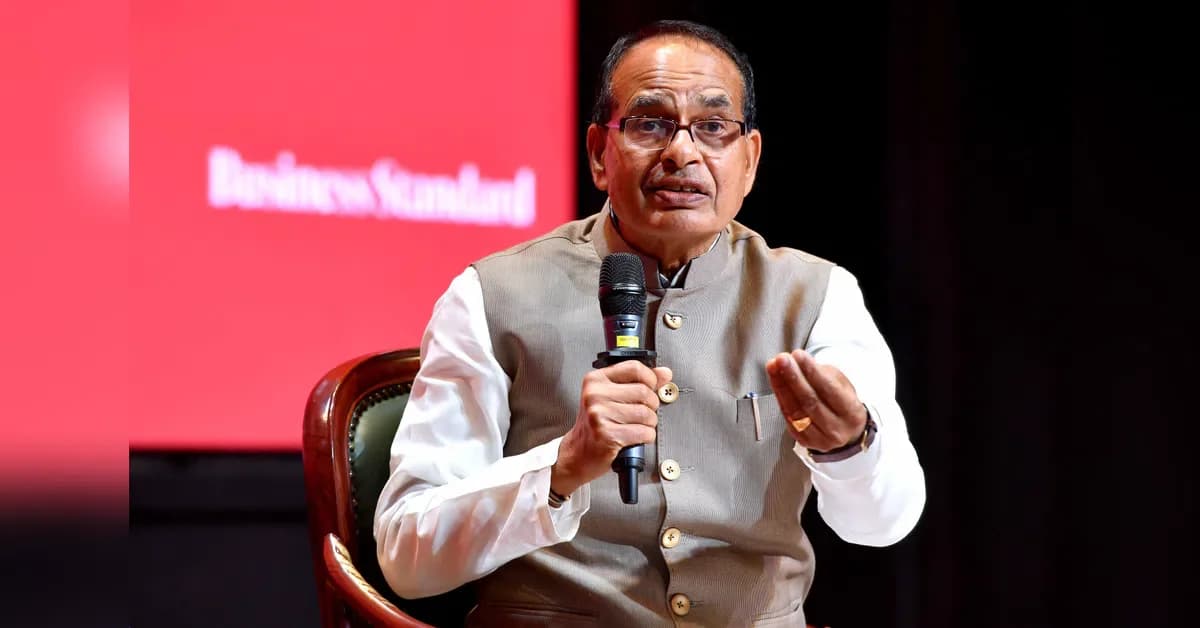
Kharif (summer) sowing has just begun in some parts of India, but it is still in the very early stages. According to PTI, farmers have started preparing fields for early sowing (especially of short-duration crops such as pulses, coarse cereals, and some cotton) in regions that have received pre-monsoon rains. Normal Kharif sowing starts in June and peaks in June-July with the arrival and progress of the southwest monsoon. The two-day National Conference on Agriculture for Kharif Campaign 2026 began today at the NASC Complex in Pusa, New Delhi, chaired by Union Agriculture Minister Shivraj Singh Chouhan. As reported by Devdiscourse, the agriculture community is called upon to collaborate under the 'Team Agriculture' initiative, with emphasis placed on swift seed distribution, enhancing Kisan Credit Card access, and strengthening measures against counterfeit agricultural products. During a high-level virtual review meeting, Kanak Vardhan Singh Deo directed districts to take early steps to handle delayed or deficient southwest monsoon conditions. If monsoon onset is delayed, the state will implement a community nursery approach to support timely transplantation.
Notwithstanding weather challenges, India is on track to achieve a record foodgrain production of 376.56 million tonnes in the 2025-26 crop year (July-June), an increase of 18.8 million tonnes over the previous year, Chouhan said. As reported by PTI, ICAR Director General M L Jat noted that rice output targets set for 2047 had already been met, underscoring the case for crop diversification. Jat emphasized that we don't need 50 million hectares under rice. We need 35 million hectares by 2047. He also flagged that over 100 districts have been found to be using fertilisers beyond scientifically recommended levels, calling for a multi-pronged strategy that includes nutrient-efficient crop breeding, greater use of organic and biological inputs, and improved soil health management. Jat noted that delivering quality seeds to farmers alone could raise productivity by 15-20 per cent. For fertilisers, MARKFED, PACS and LAMPCS have been directed to ensure smooth last-mile delivery to support the preparedness efforts.