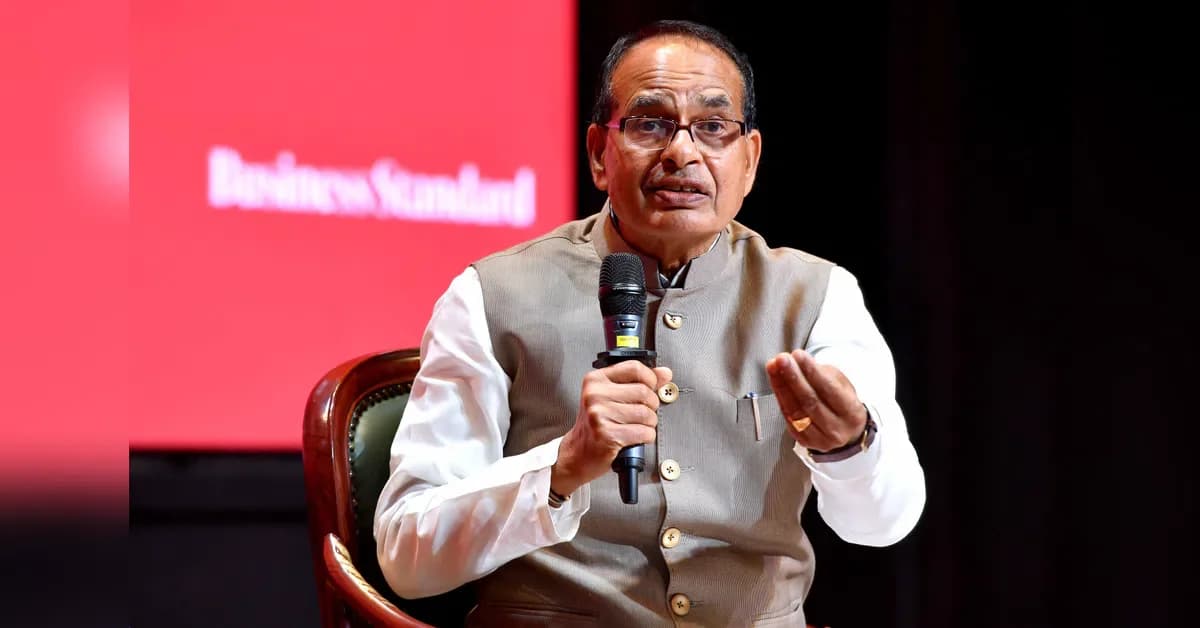
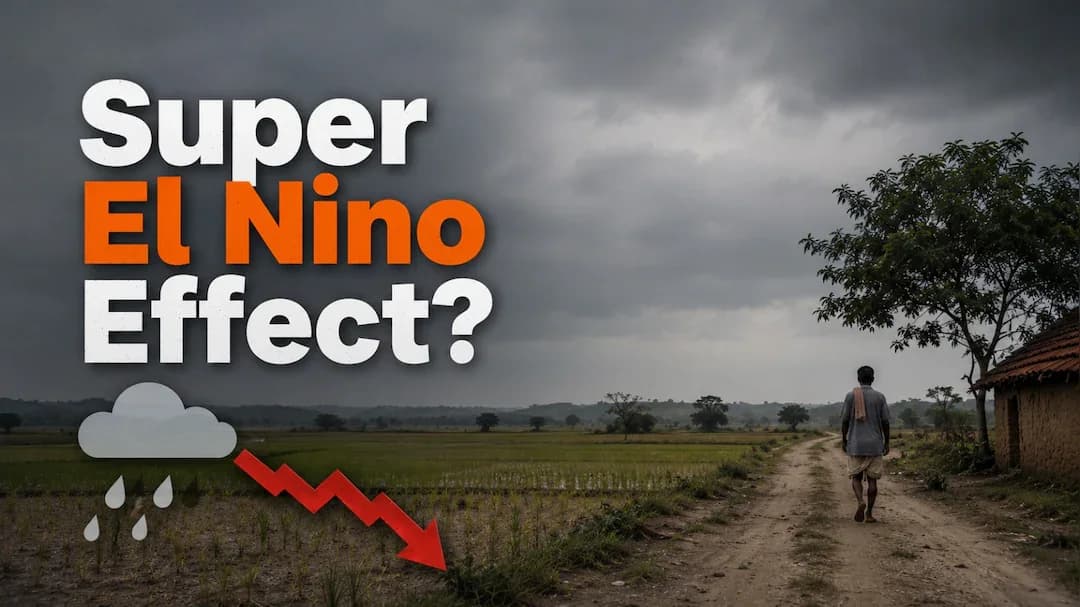
The government on Saturday expressed confidence that the threat posed by a possible El Nino this year is unlikely to cause major damage to agriculture, according to The Times of India. Agriculture Minister Shivraj Singh Chouhan chaired a review meeting ahead of the Kharif sowing season, which begins with the onset of the southwest monsoon in June and contributes a large share of India's annual farm output. "Farmers need not have any concerns," Chouhan told the meeting, adding that the government was moving ahead with "complete preparedness." The government statement noted that "despite the potential El Nino impact, its effect on the agriculture sector is likely to remain relatively limited compared to previous instances."
The India Meteorological Department (IMD) has forecast below-normal monsoon rainfall this year at around 92 per cent of the long-period average and has flagged the possibility of El Nino conditions developing during the season, as reported by The Times of India. Officials said reservoir storage across the country is currently at 127 per cent of the normal level for this time of year, giving a significant cushion for irrigation during the crop season. Seed stocks for both Kharif and the following Rabi season have been secured above requirements, with emergency reserves kept ready in case farmers need to replant or shift crops due to adverse weather. A final forecast is due in late May.
According to The Times of India, officials at the meeting compared current preparedness with El Nino episodes between 2000 and 2016, when crop losses were sharper because farmers depended more heavily on rainfall and had fewer tools to handle climate shocks. Since then, India has expanded micro-irrigation coverage, introduced climate-resilient seed varieties and improved early warning systems. Paddy, the main Kharif crop, was specifically cited as showing greater resilience, while contingency plans are being prepared for crops considered more vulnerable to rainfall shortages. The government emphasized that "a crop-weather monitoring mechanism is already operational," with the Centre and states coordinating regularly for quick response measures.
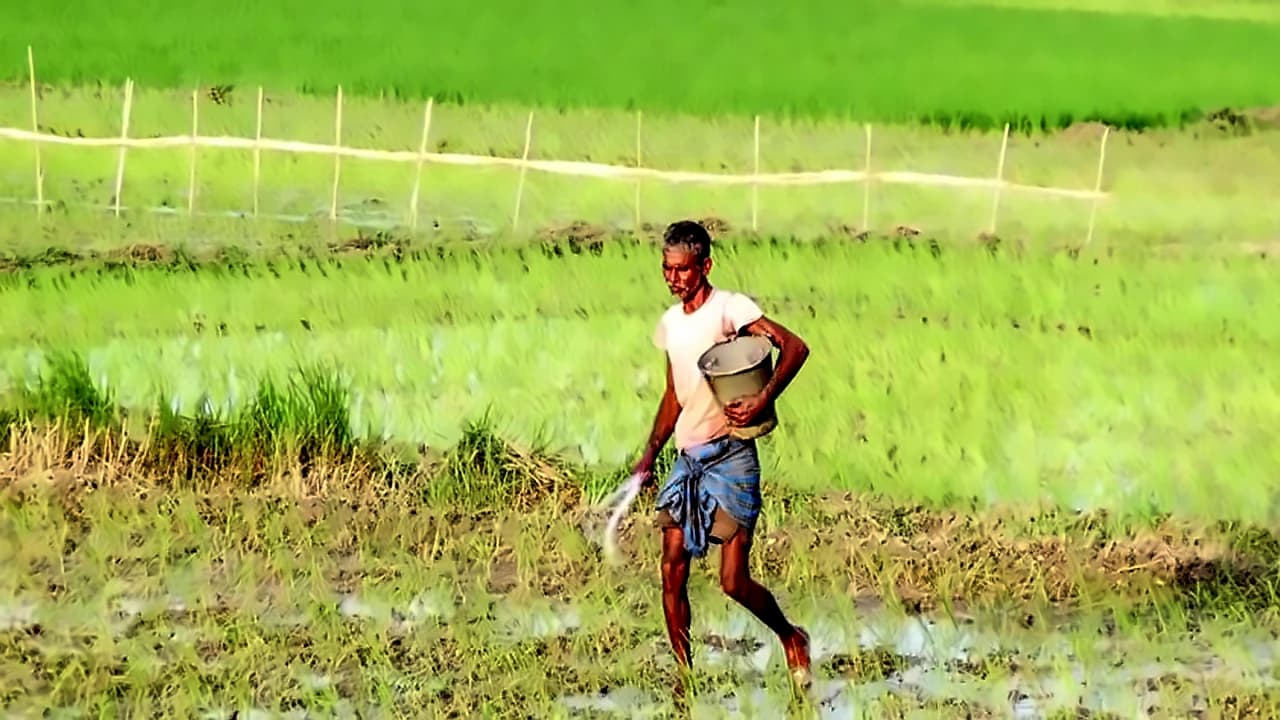
As reported by The Times of India, Chouhan directed states to activate contingency plans down to the district level and asked officials to promote drought-tolerant seeds and delayed sowing strategies if conditions worsen. A crop-weather monitoring mechanism is already operational, with the Centre and states coordinating regularly for quick response measures. El Nino, a periodic warming of surface waters in the central and eastern Pacific Ocean, typically disrupts monsoon patterns over South Asia and has historically been linked to weaker rainfall in India. India is the world's second-largest producer of rice and wheat, and farm output directly affects the livelihoods of hundreds of millions of people.