Agriculture Secretary Atish Chandra confirmed on Wednesday that the ministry is awaiting the India Meteorological Department's (IMD) forecast by the end of this month to get a clearer picture on the El Nino timeline before deciding on concrete steps to mitigate the likely impact on kharif crops. As per PTI, Chandra told PTI that "The prediction on when El Nino will set in is still to come. By the end of this month, IMD will come out with the forecast, and then the picture will be clearer. We will then be in the thick of the kharif sowing season and will know how it is going to pan out." While there have been broad forecasts of El Nino setting in around November, IMD is seeking greater certainty before firming up its assessment. A key variable being tracked is the Indian Ocean Dipole (IOD), which after remaining positive in May, has turned neutral in June. Chandra noted that "Whether it will remain neutral or change is something we are watching. IMD is still hopeful that there will be some development that will negate the El Nino effect."
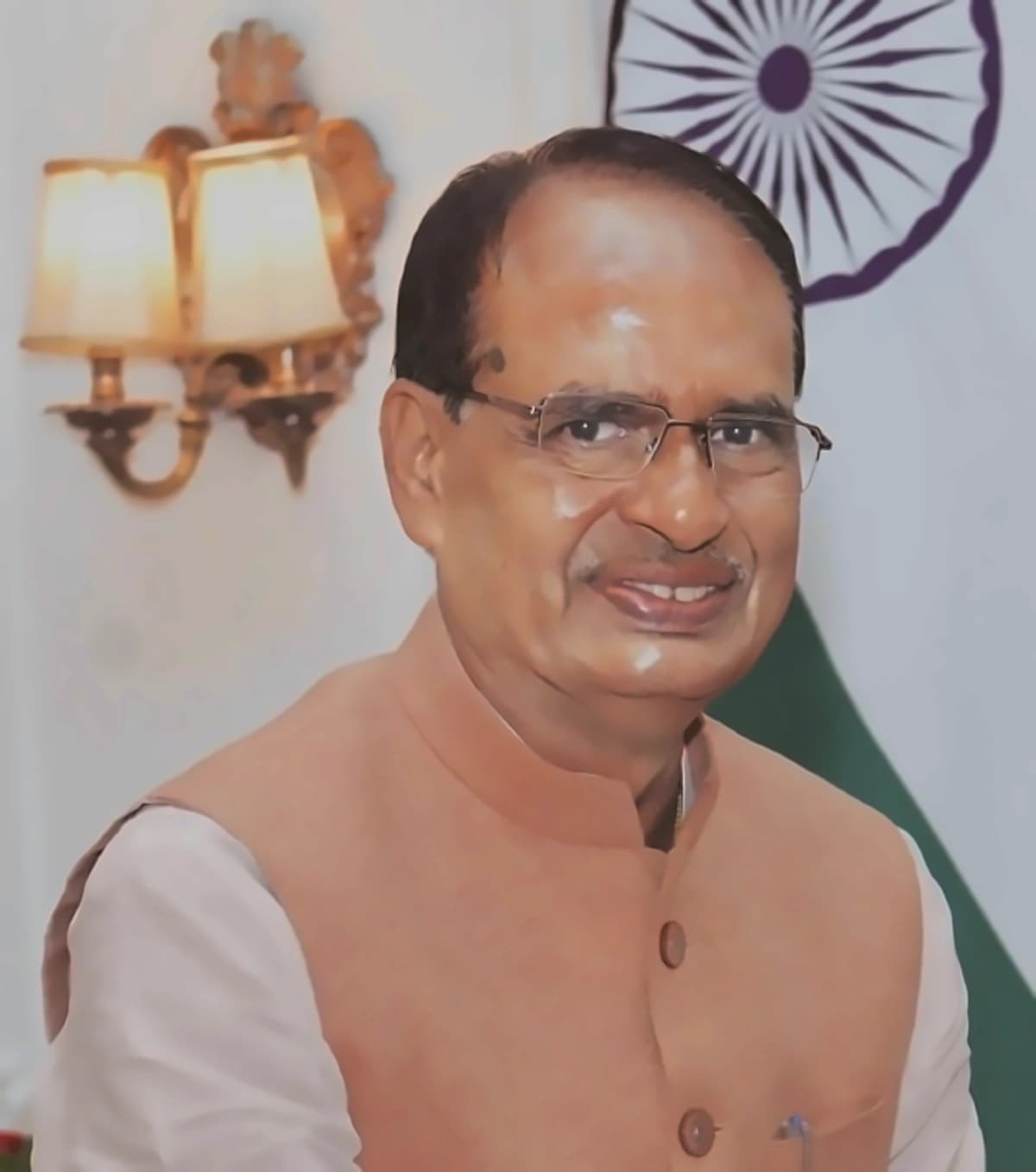
Agriculture Minister Shivraj Singh Chouhan has directed coordinated meetings across 12 states likely to face a relatively severe impact of El Nino during the Kharif season, calling for advance contingency planning in rain-deficient districts. As per the latest ministry statement, Chouhan asked state governments to identify vulnerable districts and draw up crop-wise contingency plans in advance so farmers can be provided timely options, advisories and support in case of weather disruptions. The minister emphasized that "a separate and practical strategy should be developed for each vulnerable district, with special attention to water conservation, moisture management, intercropping and alternative crop patterns." He stressed that communication to farmers must remain calm, reliable and solution-oriented, based on scientific analysis rather than alarmist messaging.
According to the latest ministry directive, coordinated meetings should be organised with District Magistrates, Agriculture Departments, Krishi Vigyan Kendras (KVKs) and other extension systems of the identified districts in the most vulnerable regions. A senior ministry official told PTI that contingency plans for 326 districts in these 12 states are being prepared, expanding from the initial 9-10 states identified earlier. The Centre has asked these states to prepare district-wise contingency plans as El Nino threatens a below-normal monsoon during Kharif 2026. The impact is expected to be "relatively severe" in states including Uttar Pradesh, Karnataka, Tamil Nadu, Andhra Pradesh, Telangana, Odisha, Gujarat, Rajasthan, Bihar, Madhya Pradesh, Jharkhand and Maharashtra. The ministry has identified 326 districts across these states where the risk is particularly high, and is updating detailed district-level action plans to mitigate adverse weather conditions. District-level contingency plans are being revised in line with the severity of the weather forecasts, with active involvement from ICAR, CRIDA and state agricultural universities.
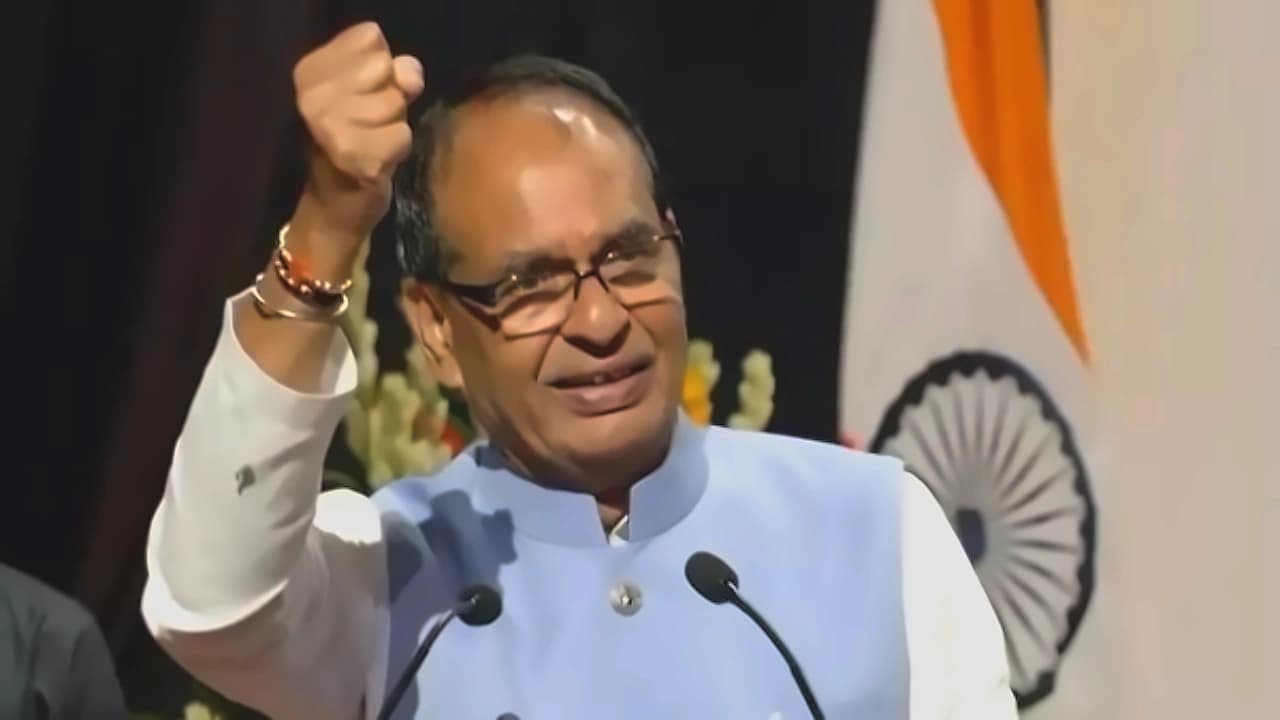
Union Agriculture Minister Shivraj Singh Chouhan on Saturday assured that enough fertiliser stocks were available in the country and that the government had made preparations to handle the possible El Nino impact. According to reports from Business Standard, The Times of India, and PTI, Chouhan made these statements after the conclusion of the five-day BRICS agriculture meeting in Indore. The minister emphasized that India has adequate fertiliser stocks for the ongoing kharif season and that the government is taking all necessary steps to ensure sufficient availability for the rabi crop cycle as well. As per PTI, Chouhan stated that the government is making every possible effort to ensure there is no shortage of fertilisers in the coming crop season. Agriculture Secretary Atish Chandra confirmed that on the inputs front, fertiliser supplies are adequate, though larger farmers had front-loaded purchases in March-April. Chandra added that "Small farmers do not stock, they buy when required. Ground-level availability is much better than last year."
Urea and di-ammonium phosphate (DAP) would continue to be available at subsidised rates despite concerns over supplies amid the West Asia crisis, as reported by Business Standard, The Times of India, and PTI. Chouhan told reporters that the government is bearing the burden of increased prices to ensure affordable fertiliser rates for farmers. The minister stated that this will put an additional burden of thousands of crores of rupees on the exchequer, but the government is prepared to bear it in the interest of farmers. "Our government has decided that farmers will continue to get urea and DAP at affordable rates. The government is bearing the burden of increased prices," Chouhan emphasized, expressing confidence that the government will succeed in ensuring sufficient fertiliser availability for rabi crops under all circumstances. The Centre's approach aims to protect farm operations during key sowing periods.
IMD has forecast the southwest monsoon during the June-September period at around 90 per cent of the long-period average, signalling a below-normal season. IMD has been issuing monthly forecasts, and Agriculture Secretary Atish Chandra noted that much of what was predicted for June has been playing out. The monsoon is currently running four to five days behind schedule, with a western disturbance identified as the primary factor obstructing further advancement. Low-pressure formation over West Bengal, however, is aiding the monsoon progress from the east, even as the southern arm, which was expected to advance further into Maharashtra, continues to lag. Barring Tamil Nadu, which receives the bulk of its rainfall from the retreating monsoon, states where the monsoon has arrived have recorded good rainfall. Chandra noted that "It is the rainfed areas, not irrigated ones, that are a concern for us. Reservoir levels are better compared to last year."
When asked about concerns about the El Nino impact on India, Chouhan said the government was prepared to handle it. According to Business Standard, The Times of India, and PTI, the minister noted that El Nino will have an impact on India as well as other countries, but we have made adequate preparations. He added that the government will also cooperate with other nations through exchange of information and best practices. Agriculture Secretary Atish Chandra confirmed that El Nino has historically not severely affected India, with 2014-15 being the notable exception, and even then, agricultural production held up. Advances in climate-resilient seed varieties have since strengthened the sector's adaptive capacity. On the water management front, the government has been focusing on micro-irrigation infrastructure. Under the Amrit Sarovar scheme, 75,000 ponds have been rejuvenated to recharge groundwater levels, while over one lakh groundwater recharge structures have been revived. Chandra noted that "It is the rainfed areas, not irrigated ones, that are a concern for us. Reservoir levels are better compared to last year."