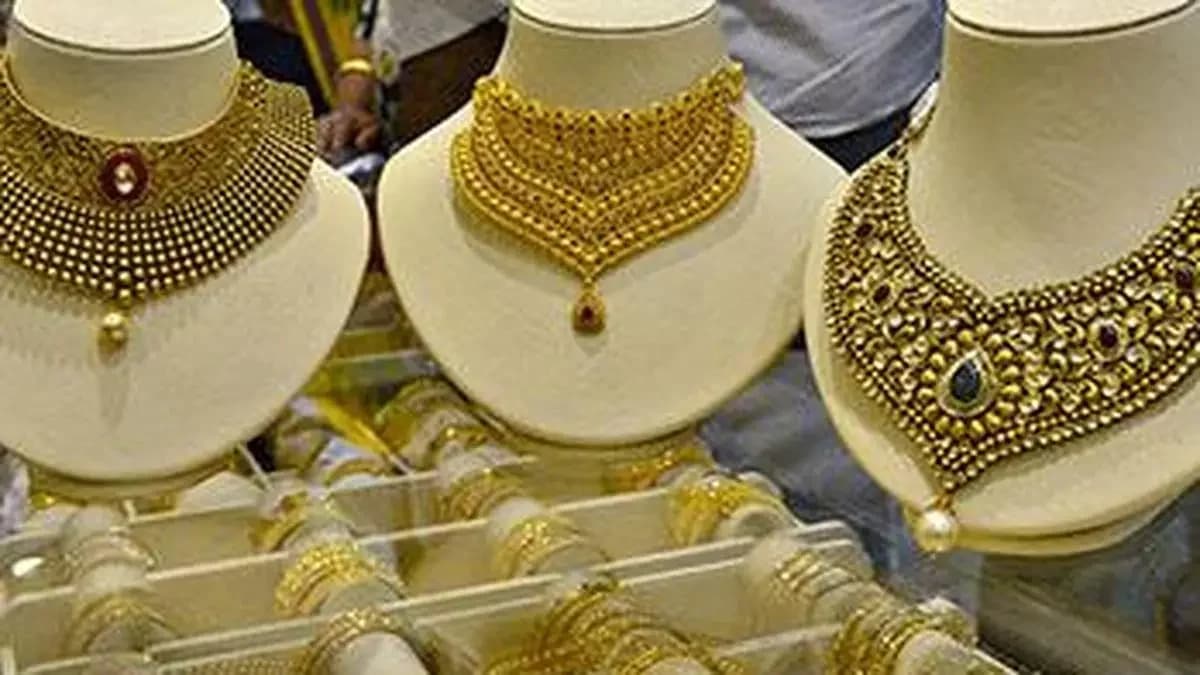
The Indian government has discontinued the tax benefit for banks on imports of gold, silver, and platinum, according to reports from The Hindu BusinessLine, CNBC TV18, and Mint. Banks are now required to pay 3 per cent integrated goods and services tax (GST) on these precious metal imports since April 1, 2026. Revenue Secretary Arvind Shrivastava confirmed this development during a press briefing after the 57th GST Council meeting on Thursday, stating that the government notified the GST Council that the list of designated banks and agencies that attract IGST exemptions on gold and precious metal imports has not been extended beyond March 31, 2026. This measure aims to ensure parity of taxes imposed on gold and other metals through different routes and curb forex outgo. As per The Hindu BusinessLine, the relief was first rolled out for gold in 2017 and later expanded to silver and platinum, meant to smooth the movement of metal through sanctioned traders.
The government formally informed the Goods and Services Tax Council about this change on October 8, 2026, as reported by CNBC TV18 and Mint. The GST Council is a body comprising federal and state government officials responsible for tax policy decisions. This communication to the council indicates the significance of the policy change and its potential impact on the taxation framework, with the government specifically notifying that the exemption list was not notified on April 1 this year as gold, silver and precious metal imports, which led to forex outgo, became a concern for the Government. The Hindu BusinessLine reports that Shrivastava told reporters the government did not continue the exemption past March 31 and put the measure in place on April 1 so that "we do not have tax becoming a reason for one route being preferential to another." As per Mint, the government informed the GST Council about the change on October 8, with Revenue Secretary Arvind Shrivastava stating that "This is done to ensure parity of taxes imposed on imports of gold and other metals through different routes."
In May, the government had also hiked import duty on gold and silver to 15 per cent, from 6 per cent, and on platinum to 15.4 per cent, from 6.4 per cent, to curb non-essential imports. As per Rediff Moneynews, this measure aims to ensure tax parity, curb forex outgo, and reduce non-essential imports. India, a major gold consumer, has seen gold imports rise, prompting government concerns and previous import duty hikes. The country is the world's second-biggest gold consumer after China and gold imports are driven by the jewellery industry demand. The Hindu BusinessLine reports that import duties on gold reshape demand in the world's biggest market for it, with the new levy now aligning taxes across different import routes for gold and silver.
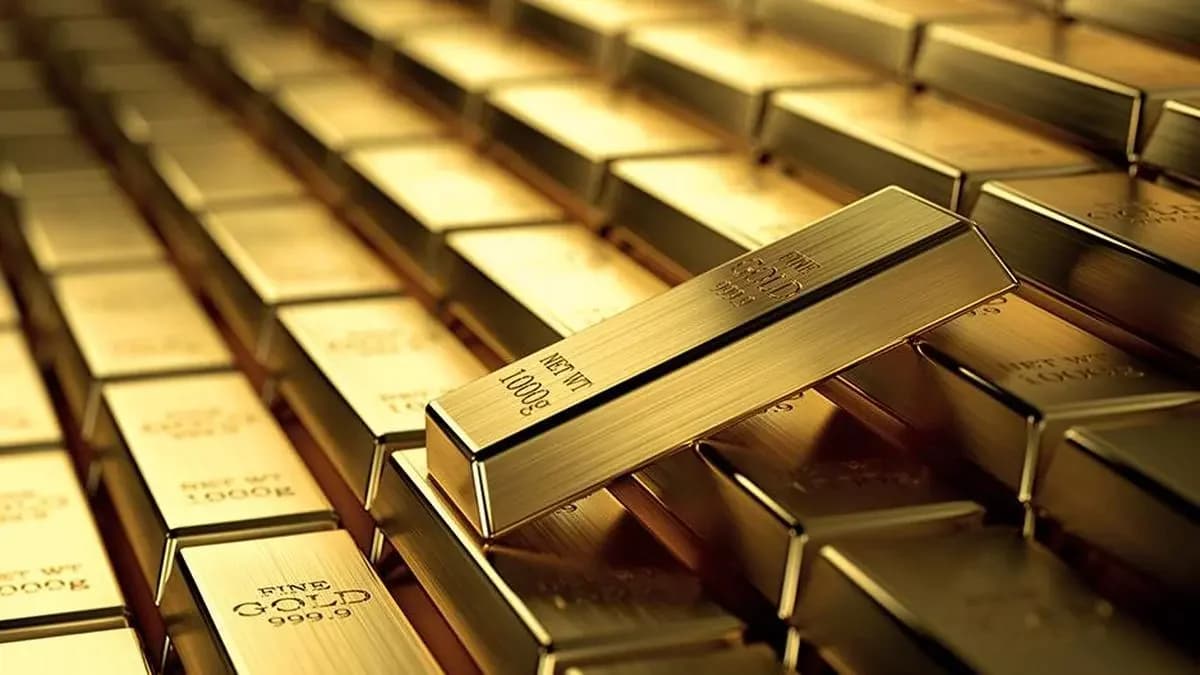
The 3 per cent upfront IGST payment would not be an additional cost for banks, as they would pay the tax at the time of import and claim it back in full as input tax credit (ITC) when supplying the metal to domestic jewellers or trading units, according to Revenue Secretary Arvind Shrivastava. This mechanism ensures that banks are not disadvantaged by the new tax regime. The move removes the previous differential treatment where banks enjoyed IGST exemptions while bullion exchange participants paid both customs duty and 3 per cent IGST at import. In 2017, imports of gold, silver and platinum by banks were granted an exemption from IGST, but India's market infrastructure has since evolved with the establishment of formal platforms such as the India International Bullion Exchange in GIFT City. Mint reports that banks can claim input tax credit for the IGST paid on imports when they supply the precious metals to domestic jewellers or trading units, subject to the applicable GST provisions, with the tax representing an upfront payment and the final cost impact depending on the availability and utilisation of input tax credit. However, eligible businesses can recover the levy through input tax credits, but importers still need money to pay the tax upfront, which can increase their short-term cash needs and financing costs.
The withdrawal does not automatically make retail gold or silver prices rise by 3 per cent, as prices also depend on international rates, exchange rates and basic customs duties. However, higher funding costs could affect prices along the supply chain, with banks and importers potentially passing some expenses through small changes in their margins. This could influence the prices paid by local jewellers. The change comes amid closer government tracking of foreign currency spending and trade deficits, with precious metal imports contributing to these concerns. Mint reports that the pressure concerns available cash and the cost of funding imports, with banks handling large shipments having more money tied up in tax payments and arranging these funds increasing financing costs. Gold demand remains strong ahead of the festive and wedding seasons, but the broader policy direction is towards more organised trade and uniform taxation. The change puts bank imports alongside shipments through organised trading platforms, with one such platform being the India International Bullion Exchange in Gujarat's GIFT City.