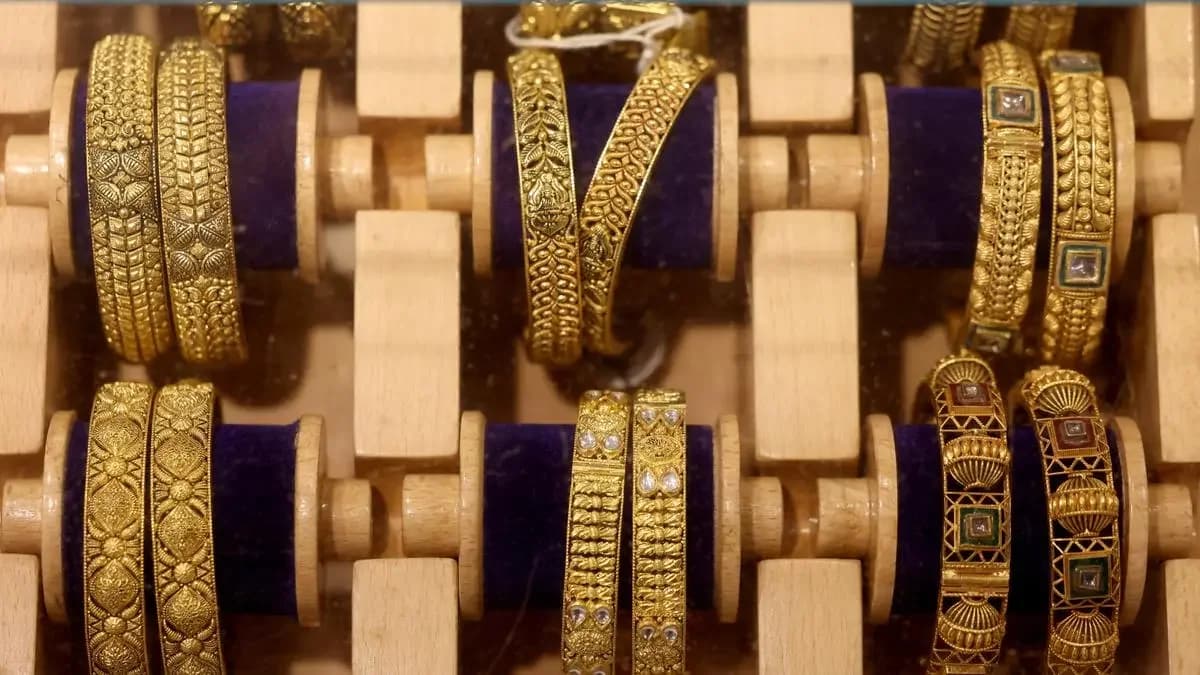
The Government's decision to raise gold and silver import duties to 15% has prompted swift industry alignment with Prime Minister Narendra Modi's call for responsible gold consumption. According to The Hindu BusinessLine and SVAR Media Network, the revised duty structure, effective May 13, increases Basic Customs Duty (BCD) on gold imports to 10% from 5%, alongside a rise in Agriculture Infrastructure and Development Cess (AIDC) to 5% from 1%. The Gem & Jewellery Export Promotion Council (GJEPC) convened an emergency meeting with major retailers and manufacturers following the Prime Minister's remarks, subsequently submitting recommendations to the Government aimed at reducing dependence on imported bullion while strengthening domestic gold circulation. The industry body has urged the Government to provide a supportive framework for jewellery exporters to continue earning valuable foreign exchange during this challenging economic phase.
India's leading jewellery retailers have announced separate but complementary initiatives backing the Prime Minister's appeal to stop buying gold amid growing concerns around India's rising gold import bill and its impact on foreign exchange reserves. Kalyan Jewellers launched its 'Nation First – Gold4India Initiative', a four-pillar framework aimed at bringing idle household gold back into circulation through exchange, monetisation and reuse programmes. According to The Hindu BusinessLine, the company's initiative includes old gold exchange programmes, dedicated 'Encash Gold' counters for monetisation services, grassroots awareness drives through its My Kalyan network and promotion of 18K jewellery as a more efficient form of gold consumption compared to traditional 22K jewellery. T S Kalyanaraman, Managing Director, Kalyan Jewellers India Limited, stated that the initiative aims to reduce imports by five tonnes of gold during the financial year and that a stronger domestic recirculation ecosystem can sustain employment in the jewellery sector and help states preserve GST revenues linked to organised trade.
As reported by The Hindu BusinessLine and SVAR Media Network, India imports nearly 700–800 tonnes of gold annually, resulting in significant foreign exchange outflows and pressure on the current account deficit. At the same time, Indian households and institutions are estimated to hold nearly 25,000–35,000 tonnes of gold in the form of jewellery, coins and bars, much of which remains economically idle. According to Malabar Gold & Diamonds, India possesses one of the world's largest privately held gold reserves while continuing to rely significantly on imports to meet domestic demand. The GJEPC has warned that higher import duties historically have not significantly curbed gold imports, instead, elevated duties could increase smuggling activity, inflate jewellery prices and intensify financial pressure on exporters and manufacturers. According to Malabar Gold & Diamonds, mobilisation of even 1% to 2% of India's domestic gold holdings could potentially release 600 to 700 tonnes of gold into circulation, equivalent to a substantial portion of the country's annual gold import demand.
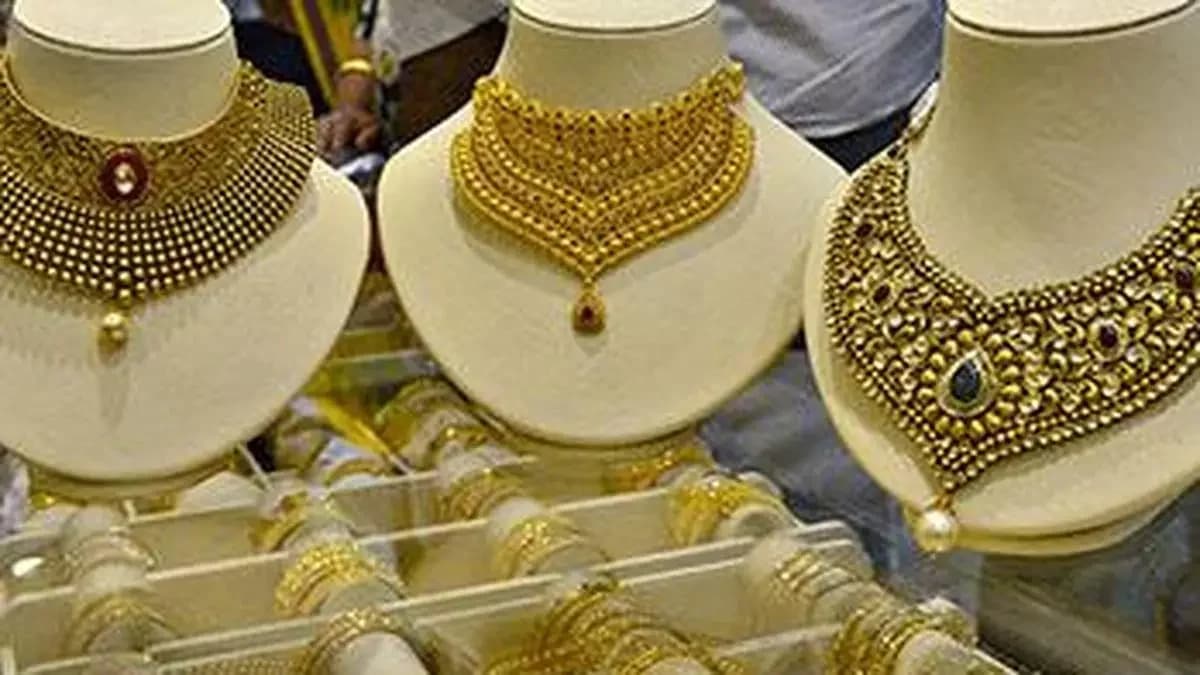
According to the proposal, while the Gold Monetisation Scheme was introduced to reduce import dependence and monetise idle domestic gold holdings, public participation remained limited due to longer lock-in periods, lower perceived returns, limited redemption flexibility, and procedural challenges. The proposal noted that these factors have hindered the scheme's effectiveness in achieving its intended objectives of mobilising idle gold into the formal economy. However, industry leaders are demonstrating practical solutions through existing operations. Senco Gold Ltd Managing Director and CEO Suvankar Sen highlighted that a large portion of jewellery consumption in India already functions through recycled gold and exchange-based purchases, noting that nearly 50% of Senco's business currently comes through recycled gold, while the company continues focusing on lightweight, 9KT, 14KT and 18KT jewellery categories. The broader industry consensus currently reflects support for national economic priorities and responsible gold utilization, while also emphasizing the need for balanced policies that protect exports, preserve artisan employment and maintain liquidity across the jewellery manufacturing ecosystem.
As reported by The Hindu BusinessLine and SVAR Media Network, to improve effectiveness and adoption of the scheme, the proposal recommends integration of organised jewellers into the GMS framework under regulatory oversight; reduction in minimum deposit quantity from 10 gm to 1 gm; flexible redemption options in either gold weight or cash; lower lock-in periods and improved liquidity options. The proposal also recommends simpler Aadhaar-based e-KYC procedures to streamline the enrollment process and enhance accessibility. Additionally, the proposal suggests customer incentives through jeweller participation, including loyalty-linked benefits; improved transparency in purity testing, valuation, and refining; consideration of GST waiver on gold brought back into the formal system; and alignment of GMS with Gold Metal Loan (GML) frameworks for better utilisation within the industry. According to Malabar Gold & Diamonds, the company has proposed measures including greater promotion of lower-carat jewellery such as 14K and 9K, expansion of old gold exchange programmes, discouragement of investment demand in gold bars and coins, and revitalization of the Gold Monetisation Scheme. Despite ambitious proposals, the GMS faces deeply rooted challenges that reforms may struggle to overcome, with the strong cultural attachment to physical gold often outweighing the appeal of modest interest rates and creating significant trust deficits.
The strategic push comes as India faces economic pressures, with the current account deficit widening to $13.2 billion in Q4 FY26. The government's recent decision to increase import duties on gold and silver to 15% reflects a national priority to reduce foreign currency spending, which could indirectly boost interest in domestic monetization schemes. While forecasts for the USD/INR exchange rate vary, with some predicting a weakening rupee towards 93.21 by end-2026 and others anticipating appreciation to 86-87, the pressure on the rupee highlights the need to cut import dependence. The organized jewellery sector, contributing significantly to India's $69.79 billion jewelry market, has a strong interest in developing domestic gold sources. Should the proposed GMS reforms gain traction, they could unlock significant liquidity, reduce reliance on imports, and strengthen India's economic resilience. The market anticipates continued revenue growth for large jewellers, projected at 14-16% in FY2026, driven by price appreciation and formalization, despite volume contraction. Industry stakeholders emphasize that the current focus on gold conservation measures and responsible consumption aligns with national economic priorities while maintaining the industry's competitive position in global markets.