The Gem and Jewellery Export Promotion Council (GJEPC) has urged the government to engage in dialogue for sustainable solutions to address gold import challenges. In a statement on Wednesday, the council acknowledged the government's decision to raise gold import duties but emphasized that hiking import duties rarely curbs gold imports, it merely inflates prices. The council noted that despite gold prices doubling recently, imports have not declined proportionally, highlighting the ineffectiveness of fiscal measures in controlling precious metal flows. The GJEPC has convened meetings with major retailers and manufacturers and written to Prime Minister Narendra Modi outlining comprehensive measures to curb gold imports.
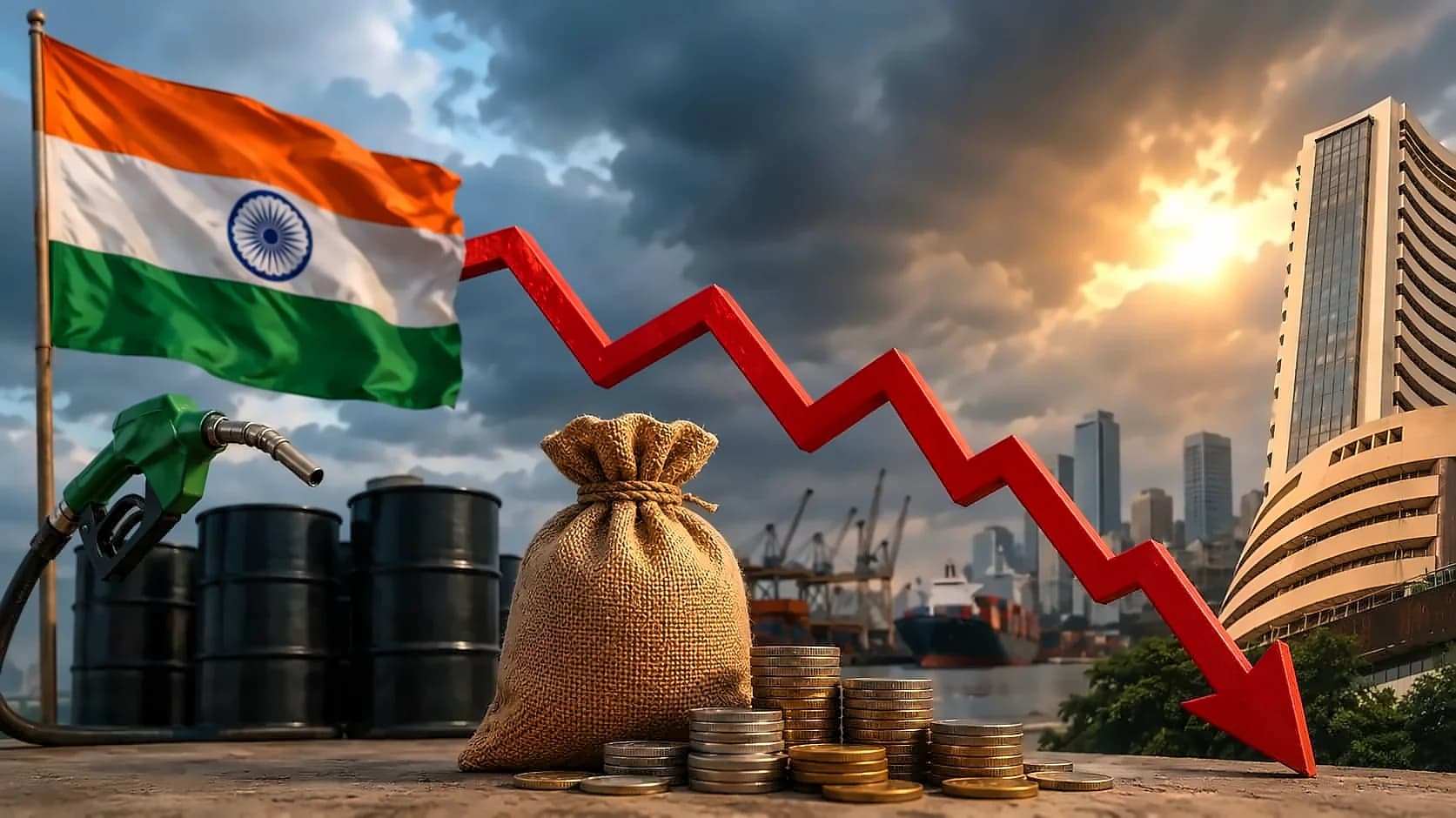
The Indian government announced a significant increase in gold and silver import duties from 6% to 15% on Tuesday as part of measures to curb inbound shipments of precious metals amid mounting external pressures. The current hike comes as another fiscal measure to incentivize public behavior, following Prime Minister Narendra Modi's public appeal urging Indians to avoid buying gold for a year to conserve foreign exchange reserves. This duty was earlier reduced from 15% to 6% in July 2024 during the Union Budget to boost the domestic jewelry market and reduce gold smuggling. The tariff increase underlines growing government concern over the twin pressures of rising oil imports and surging bullion demand, with the rupee already weakening more than 5% this year to close at 95.64 to the US dollar on May 12. The government on Tuesday raised the basic customs duty on gold to 10% from 5% and the Agriculture Infrastructure and Development Cess to 5% from 1%.
The duty hike is accelerating a fundamental shift in India's jewelry retail landscape, moving away from traditional heavy solitaire purchases toward exchange-led, design-focused buying patterns. "The duty hike has, in effect, accelerated a structural shift in India's jewellery retail model — away from heavy solitaire buying toward exchange-led, design-first purchasing," said Renisha Chainani, head of research at Augmont. Industry experts expect this trend to continue as consumers reassess value propositions in the face of higher domestic prices. "The duty revision may lift retail jewellery prices in the near term, and customers, particularly first-time and investment-led buyers, will take a moment to recalibrate. What we expect over the coming quarters is not a contraction in demand so much as a shift in how that demand is met," said M P Ahammad, chairman of Malabar Group. Commodity analysts expect domestic bullion prices to remain elevated as markets absorb the impact of the new duty structure.
The GJEPC warned that higher import duties are creating severe challenges for the export sector, particularly affecting MSME manufacturers. The council stated that higher duties fuel smuggling and raise export costs, while exporters now face bank guarantees of ₹28-30 lakh per kg for duty-free gold sourced from Nominated Agencies. The most severe impact would be on MSME manufacturers, who account for 80% of GJEPC's membership and are facing a "critical liquidity crunch," according to the council. The GJEPC noted that exporters are now facing bank guarantee requirements of ₹28-30 lakh per kilogram for duty-free procurement from nominated agencies, creating additional liquidity stress. The council emphasized that these higher duties are severely blocking working capital for exporters, highlighting the disproportionate impact on smaller manufacturers in the sector.
The GJEPC has outlined comprehensive measures to address gold import challenges while protecting export competitiveness. The council suggests promoting lower-caratage jewellery such as 18-karat and 14-karat to reduce imports by 20-30%, encouraging old-gold exchange programmes, and reviving the Gold Monetisation Scheme to tap India's estimated 25,000-tonne household gold stock. The GJEPC also recommends discouraging investment demand in bars, billets and coins -- which account for 20-30% of total imports -- and providing special incentives for jewellery exporters. The council stated it is separately submitting a detailed paper on revitalising the Gold Monetisation Scheme to the government. Market expert Apurva Sheth from SAMCO Securities suggests that instead of gold import duty hikes, the government should increase fuel prices to address multiple fiscal challenges, which would reduce disposable income and potentially divert funds from gold investments.