Union Petroleum and Natural Gas Minister Hardeep Singh Puri launched the ₹23,731 crore GOBARdhan National Circular Bioenergy Scheme on October 1, 2026, marking a major policy push for India's emerging bioenergy industry. The scheme, approved by the Union Cabinet on August 6, 2026, will be implemented over 10 years from FY 2026-27 to FY 2035-36 and seeks to increase domestic CBG production nearly 10-fold by creating an integrated framework for assured procurement, stable pricing, capital assistance, pipeline infrastructure and easier access to finance. The scheme comprises six key interventions including a pricing framework, offtake assurance, capital assistance, development of pipelines, credit guarantee support and a CBG ecosystem challenge fund to accelerate district-level implementation.
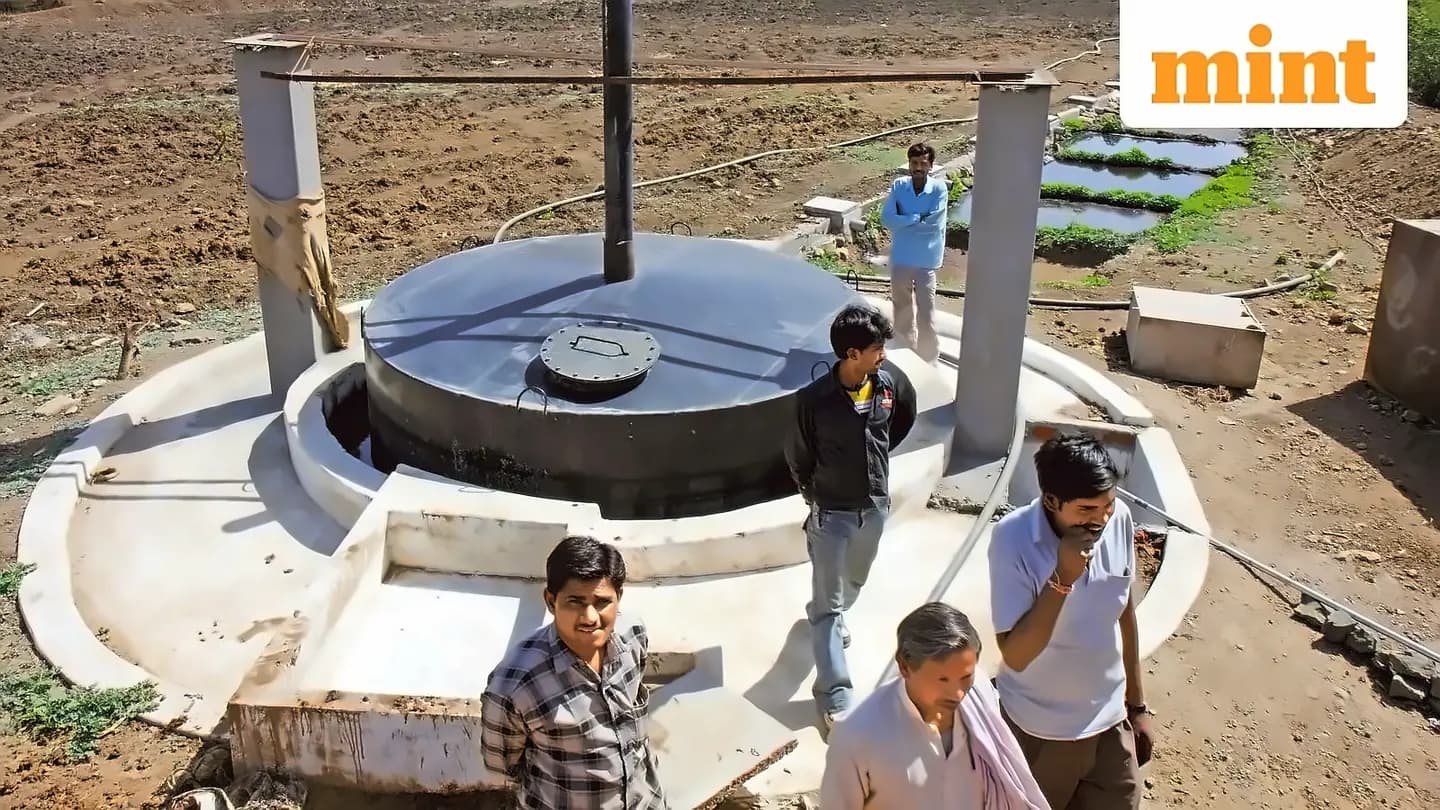
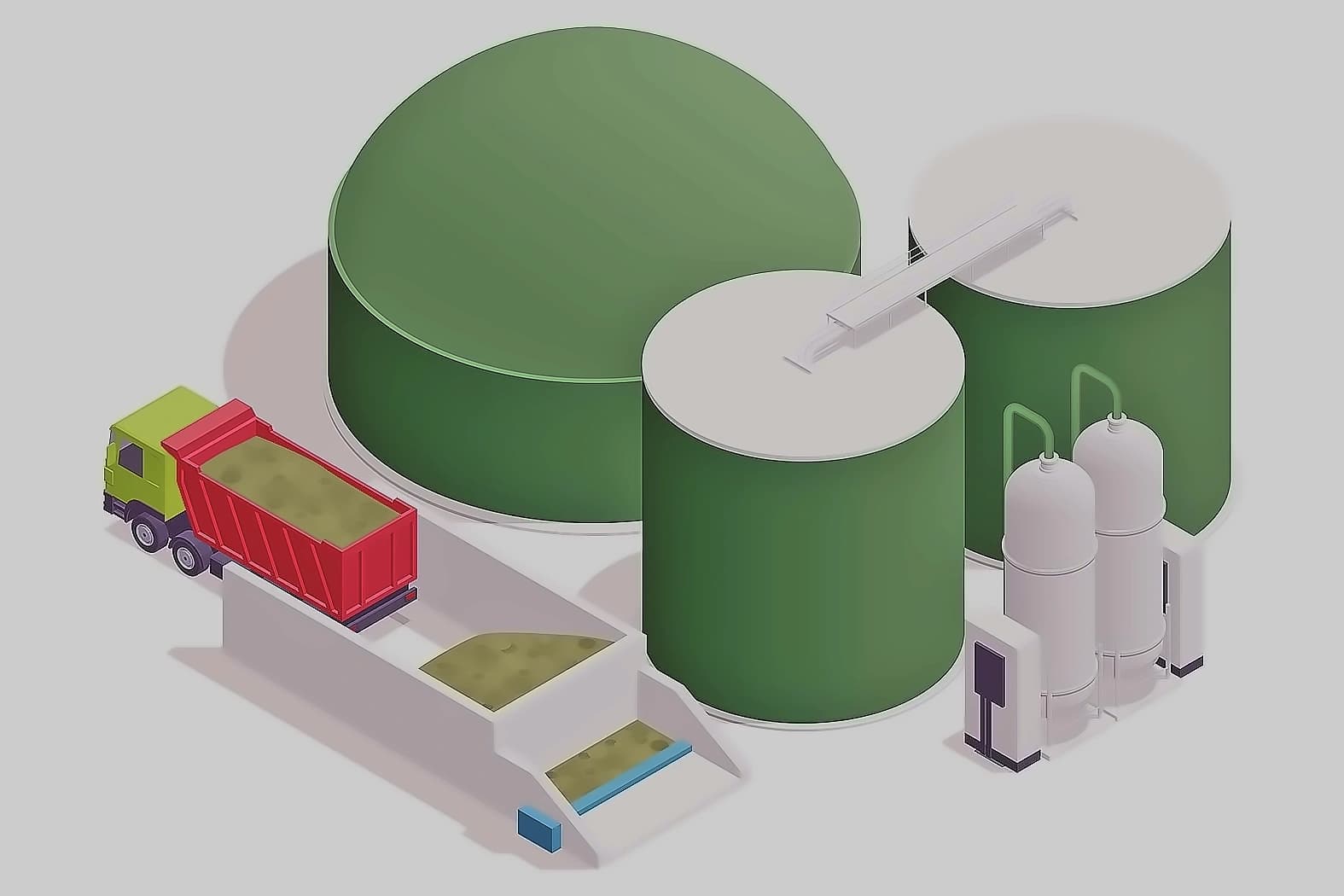
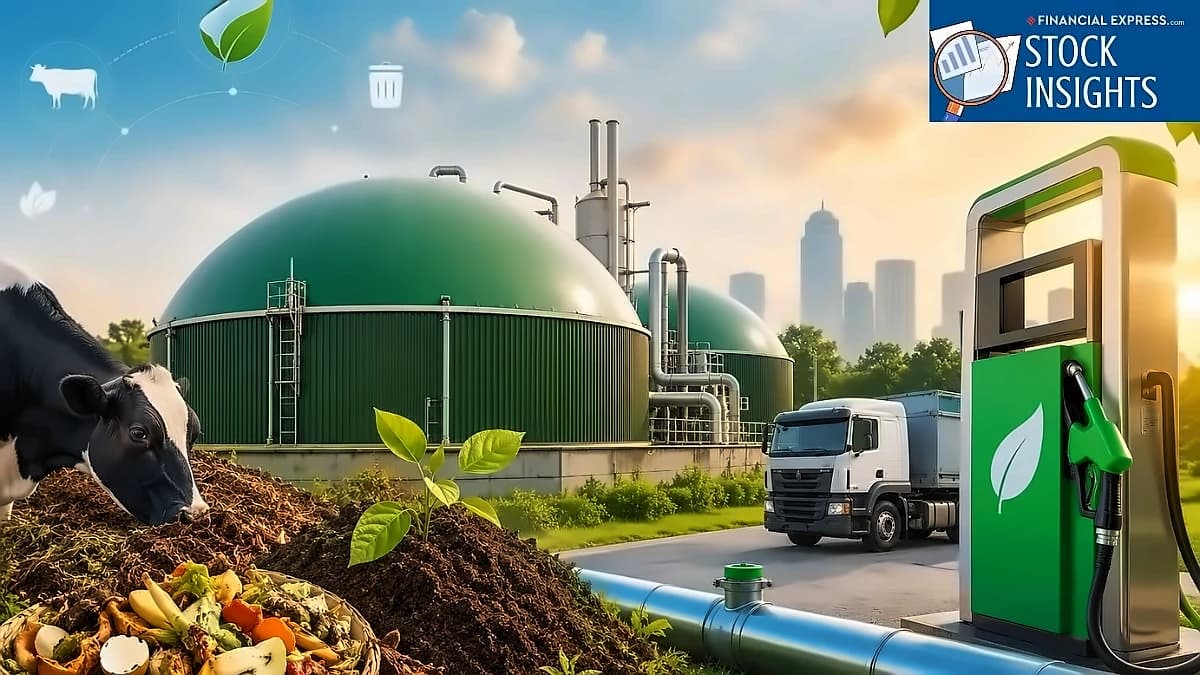
CBG is produced largely from agriculture waste including cow dung, poultry waste, animal waste, vegetable waste, food waste, rice straw, municipal solid waste, municipal sewerage, chicken waste and dairy waste. As reported by Mint, the government states that the CBG scheme can help India replace 20% of its natural gas imports. India imports 45-50% of its natural gas consumption and global supply shocks and price volatility bring major concerns for the country's energy security. The scheme aims to achieve stronger rural livelihoods through new income opportunities for farmers, feedstock aggregators, cooperatives and rural entrepreneurs. According to Mint, nearly 50% of India's natural gas requirement is met through imports, with the country's LNG import bill exceeding $13 billion in FY2025-26. Expanding domestic CBG production would help reduce this dependence while creating economic opportunities in rural areas.
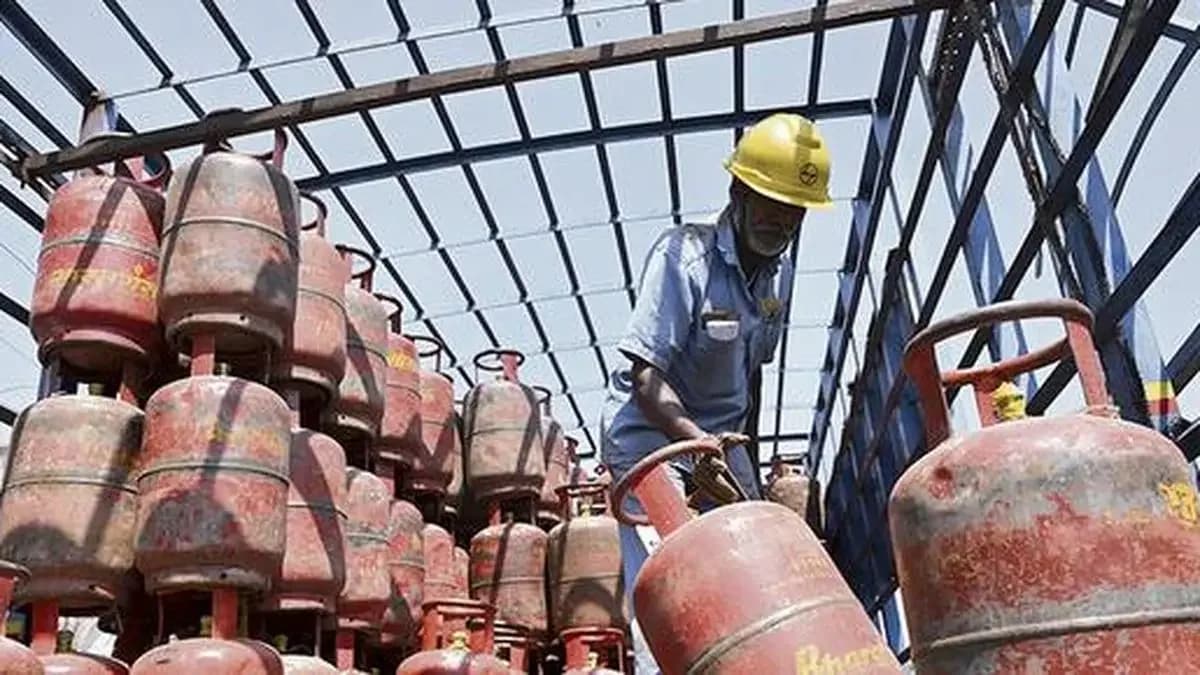
According to GKToday, the scheme introduces an administered CBG price of ₹2,110 per million metric British thermal units (MMBTU), providing greater revenue visibility to producers. The pricing framework is fixed at ₹2,110 per MMBTU, or about ₹105 per kg, for a minimum period of ten years. City Gas Distribution entities will procure CBG to meet blending obligations in the CNG and PNG segments, with the procurement obligation prescribed at 3% in FY 2026-27, 4% in FY 2027-28 and 5% from FY 2028-29 onwards for compressed natural gas (transport) and piped natural gas (domestic cooking). Petroleum and natural gas minister Hardeep Singh Puri stated that the scheme will succeed because for the first time there is guaranteed offtake. The scheme provides capital assistance of up to ₹2 crore per tonne per day (TPD) of installed CBG capacity, along with support for pipeline infrastructure and connectivity to feedstock clusters.
As of August 2026, 217 plants were commissioned with over 1,700 TPD capacity, while 1,908 plants were registered on the GOBARdhan Unified Registration Portal, according to GKToday. Of these, 339 plants were under construction. The scheme targets nearly 10-fold growth in domestic CBG production to around 5 MMSCMD. From February 2025 to January 2026, 24 fertilizer marketing companies organized 15,690 Kisan Sangoshthis and awareness camps. The scheme provides long-term price visibility with assured gas pricing of around $20–21 per million British thermal units (MMBtu) for 10 years, with the offtake price expected to be around 30% higher than prevailing global prices.
The scheme is projected to generate more than ₹40,000 crore in foreign exchange savings, add over ₹75,000 crore to GDP, and create more than 1.5 lakh jobs, as reported by GKToday. Additionally, it is projected to replace 10 million tonnes of fossil fuel and reduce more than 40 million tonnes of carbon dioxide emissions. The scheme brings together biogas, bio-CNG, and other organic waste-to-energy initiatives under a single national platform, integrating the Sustainable Alternative Towards Affordable Transportation (SATAT) Initiative, Market Development Assistance, and Pipeline Infrastructure Development. Secretary, Ministry of Petroleum and Natural Gas, Dr Neeraj Mittal emphasized the importance of state-level participation, noting that the Centre had circulated a model CBG policy to states, covering areas such as land availability, feedstock access, incentives and regulatory approvals.