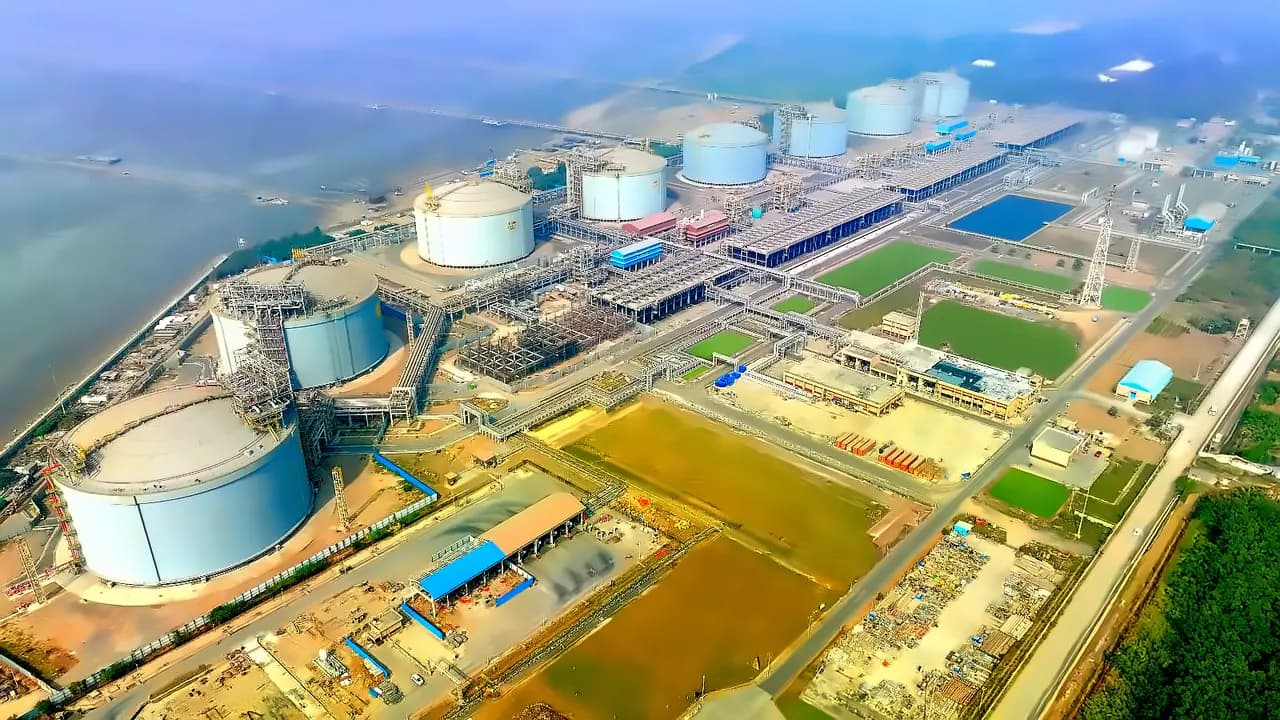
India's compressed biogas (CBG) market is gaining significant policy momentum with the government's approval of a ₹32,000+ crore GOBARdhan scheme to boost CBG production with assured prices and capital support. The scheme aims to increase domestic CBG production nearly ten-fold and mobilize large-scale private investment to create a vibrant circular bioeconomy across the country. The demand side is also receiving substantial policy backing, with India's CBG blending obligation rising from 1% in FY26 to 3% in FY27, 4% in FY28 and 5% by FY29. This comprehensive policy framework provides clear visibility for CBG producers and opens opportunities for bioenergy, waste management, and CBG infrastructure players across the sector.
Maruti Suzuki India has made a significant commitment to the CBG sector with an investment of ₹561 crore in four compressed biogas manufacturing projects. The company's new Kharkhoda plant has driven substantial sales growth and improved market share, with net sales rising substantially despite facing challenges from higher raw material costs. While net profit declined due to increased input expenses, the company expects margins to recover as input costs ease in coming quarters. This investment demonstrates the growing corporate interest in CBG production as a strategic energy solution.
Praj Industries has established itself as a technology leader in the CBG segment through its proprietary RenGas technology, which produces the highest-yielding biogas in the industry with 30% lower operating costs than traditional methods. The company's innovation centre, Praj Matrix, has developed specialized feedstock preparation solutions including PMStab, BMSolve, and NGStab. Praj has commissioned a pressmud-to-biogas plant and ramped up capacity from 0% to 100% within 60 days, demonstrating commercial readiness. The company has also secured strategic partnerships with Bharat Petroleum Corporation and Indian Oil for joint ventures in CBG production and sustainable aviation fuel.
Va Tech Wabag has established a strategic partnership with Peak Sustainability to develop 100 CBG plants globally, converting organic waste streams into clean fuel. The company successfully entered the CBG sector with its first milestone project at the 70 MLD Sewage Treatment Plant in Ghaziabad, Uttar Pradesh, executed under a Build-Operate-Transfer model. Management projects revenue CAGR of 15-20% over the next 3-5 years with EBITDA margins expected to remain in the 13-15% range. As of March 31, 2026, the company's order book stood at ₹17,235 crore, more than four times its FY26 revenue, with expansion plans into the Middle East and Africa.
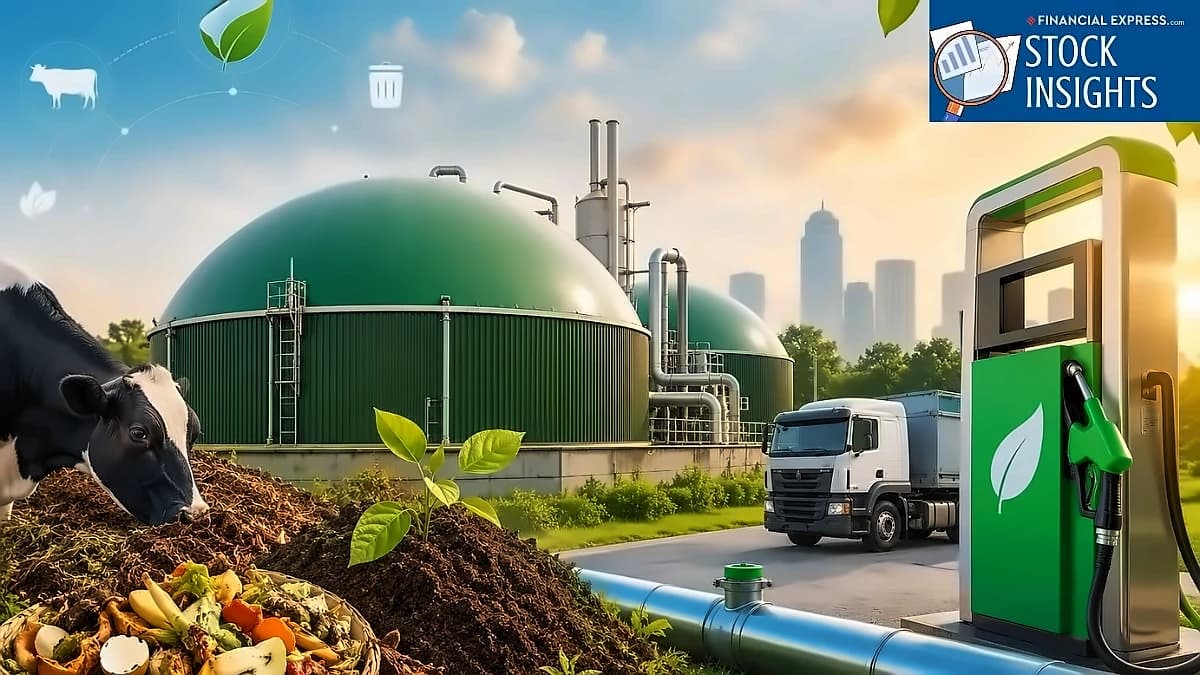
The GOBARdhan scheme is expected to significantly reduce India's gas import bill while decreasing fertilizer imports and subsidy burdens for the nation. The initiative aims to convert organic waste into clean energy sources and create numerous employment opportunities in rural areas. Fresh investments are critical to meet the higher blending targets over the next three years, with mandatory blending of compressed biogas with natural gas supplies increasing. This comprehensive approach to waste management and energy security positions India as a leader in sustainable bioenergy solutions, transforming agricultural waste into clean fuel while reducing dependence on imported energy sources.