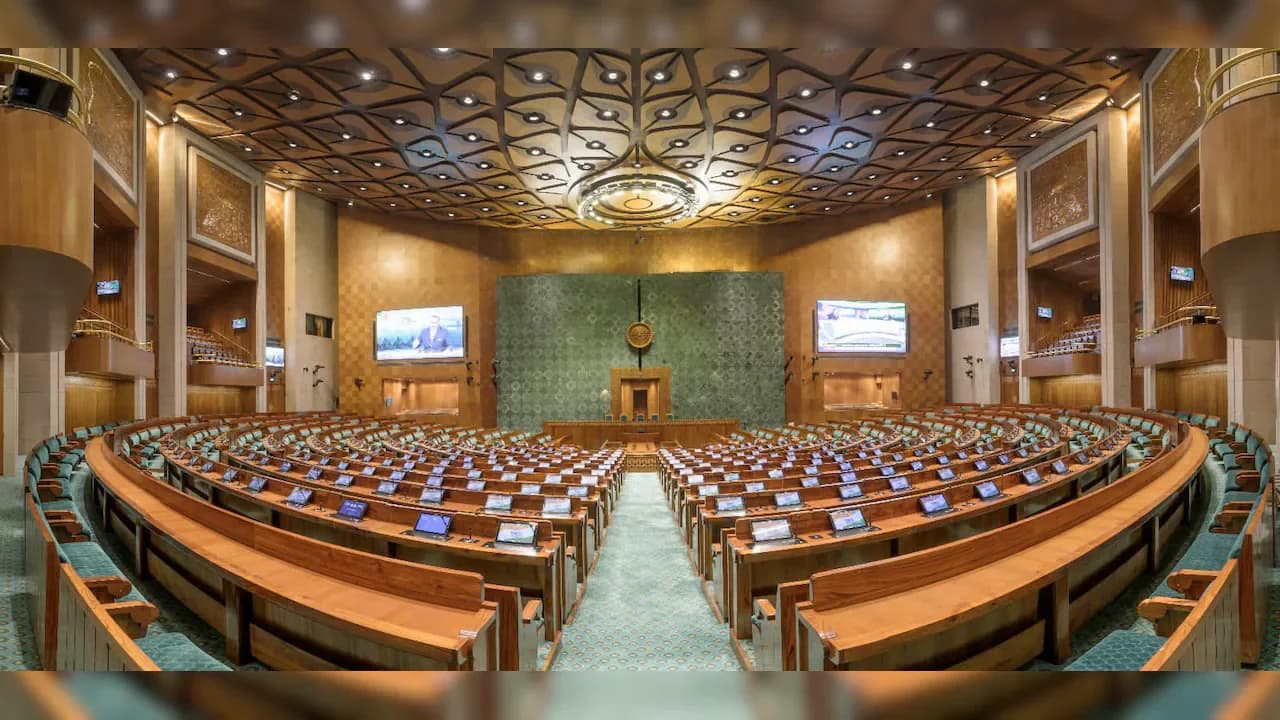
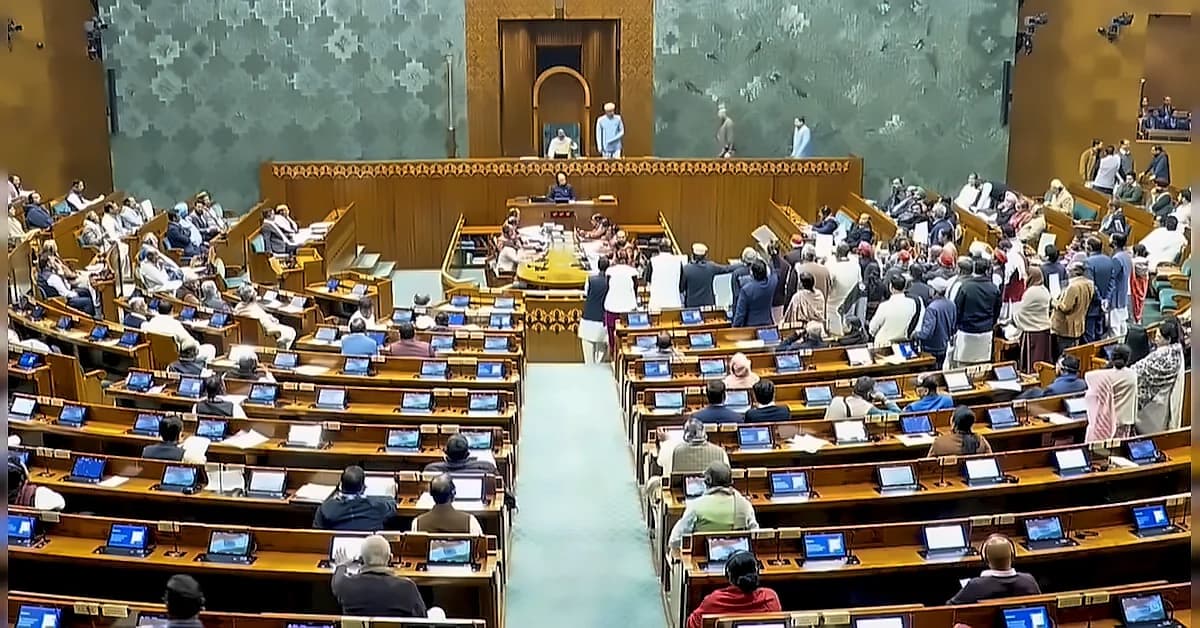
The Centre has expressed its intention to convene a special session of Parliament to introduce fresh legislation on delimitation and women's reservation, according to a report in The Hindu. The proposal is to increase the strength of the Lok Sabha from its current 543 elected seats to a maximum of 850. This move comes after the Constitution (131st Amendment) Bill, 2026, which was introduced with the Delimitation Bill attached as a condition, failed to secure the required majority in the Lok Sabha in April this year. Government sources have expressed confidence about securing 15-16 more votes than needed for the new legislation. The ruling National Democratic Alliance (NDA), led by the BJP, maintains that delimitation is a constitutional necessity to reflect new census data and facilitate the implementation of 33 per cent reservation for women in the Lok Sabha.
Delimitation means the act of fixing the limits or boundaries of territorial constituencies based on population, ensuring each elected representative represents a comparable number of people. According to The Hindu report, Article 82 of the Constitution provides for readjustment of Lok Sabha seats and constituency boundaries after every census, while Article 81 lays down the framework for allocating seats among states. However, the 42nd Constitutional Amendment Act, 1976, froze the allocation of Lok Sabha seats based on the 1971 Census until the first census after 2000. The 84th Constitutional Amendment Act, 2001, extended this freeze until the relevant figures from the first census after 2026 are published.
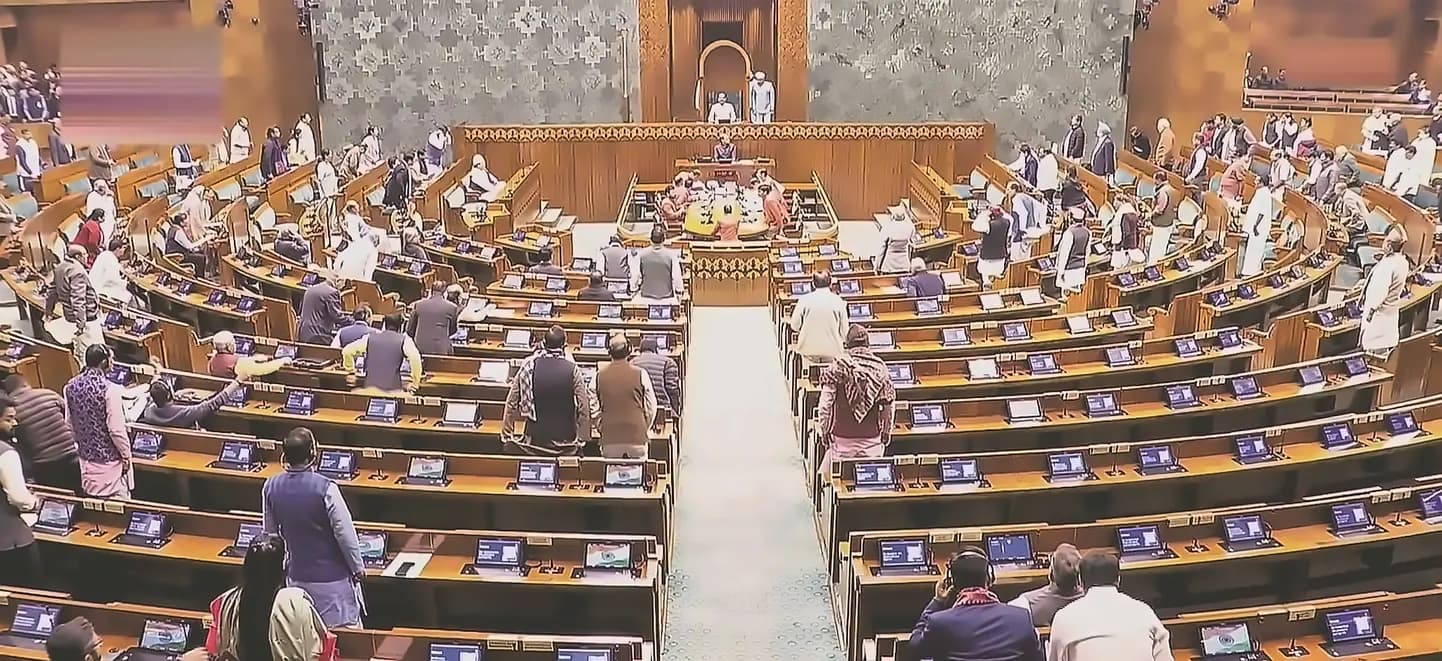
The dissatisfaction arises from differences in population growth across Indian states, as reported by The Hindu. Southern states such as Tamil Nadu and Kerala have made considerable progress in population control, while states such as Uttar Pradesh and Bihar have seen their populations grow multifold. If seats are allocated strictly according to population, states with larger populations could gain more parliamentary representation. If the Lower House retained its existing strength, Tamil Nadu's seats could fall from 39 to 32 and Kerala's from 20 to 15, while Uttar Pradesh could gain seats from 80 to 89 and Bihar from 40 to 46. Legal experts note that even if Parliament expands total seat count, southern states' percentage share would still drop.
The opposition INDIA bloc, led by the Congress, has demanded the immediate implementation of 33 per cent women's reservation in the existing 543-member Lok Sabha and opposed linking it to the delimitation exercise. Senior Congress leader Jairam Ramesh on Thursday launched a scathing attack on Union Home Minister Amit Shah and accused him of attempting to push the Centre's delimitation agenda. The Congress leader claimed that the Centre was convening a three-day special session to pass the proposed bills. Union Minister Chirag Paswan has defended the government's position, stating that if the government wishes to introduce a Delimitation Bill, it must first put forward its proposals. The ruling NDA maintains that the proposed Delimitation Bill aims to increase the number of Lok Sabha seats to 850.
One proposal being discussed is to increase every state's Lok Sabha allocation by 50 per cent irrespective of population differences, according to The Hindu report. For instance, a state with 20 seats would receive 30, while a state with 40 seats would get 60. Legal experts suggest this could prevent states from losing existing relative representation while increasing overall House strength. However, Article 81 envisages representation based on population, while Article 82 provides for readjustment after a census. A departure from this framework would require appropriate constitutional changes.