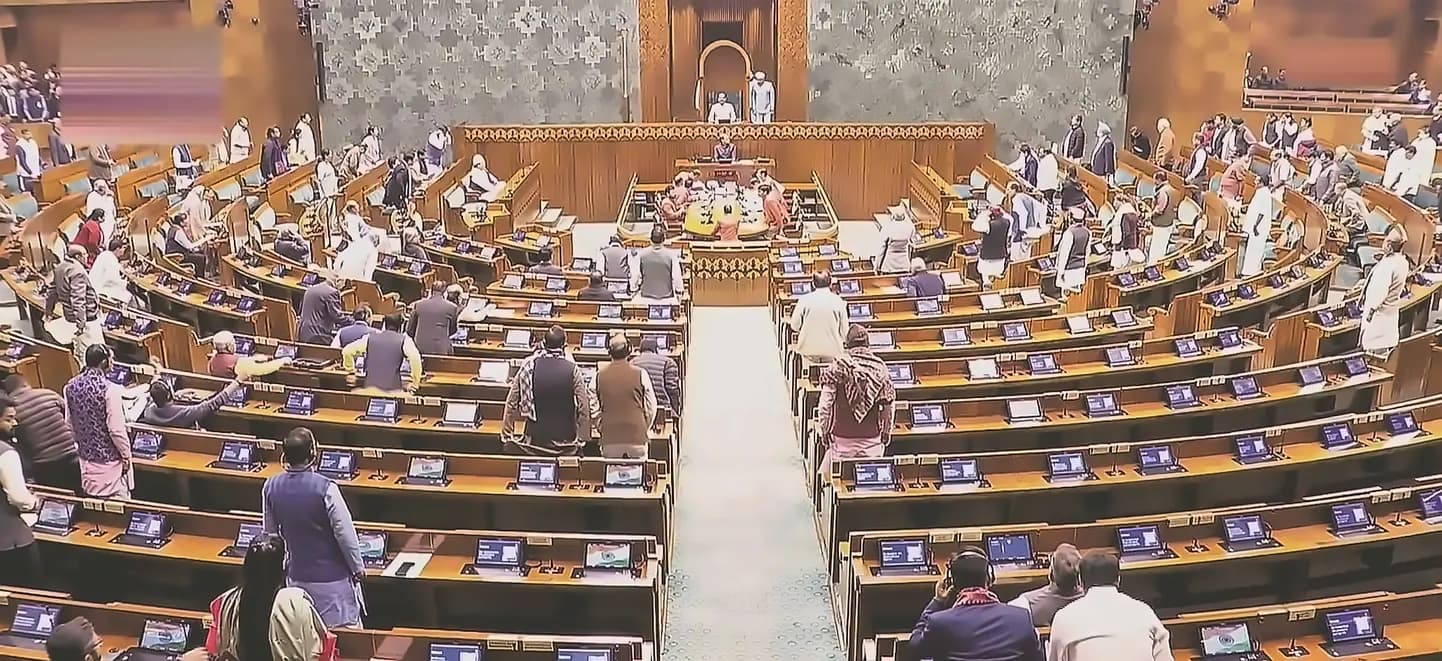
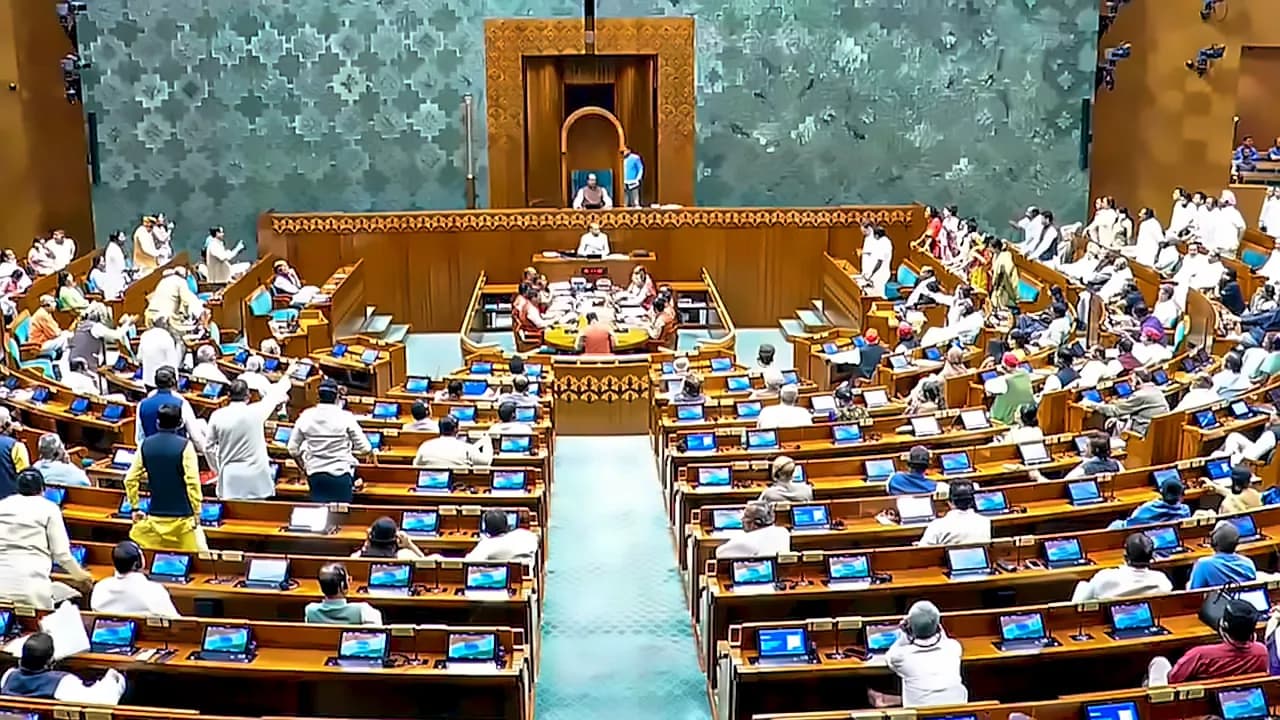
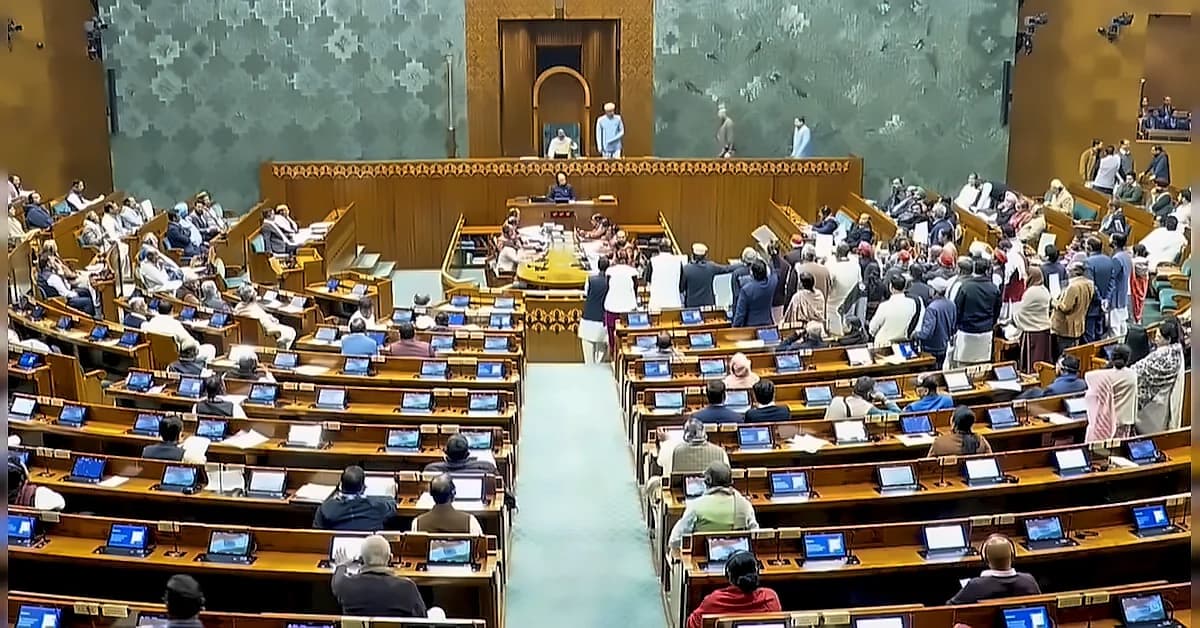
The Lok Sabha is scheduled to consider and pass three key bills on Monday, including the Constitution (132nd Amendment) Bill, 2026, which aims to facilitate the implementation of women's reservation in legislative bodies. According to the List of Business issued on Saturday, Law Minister Arjun Ram Meghwal will move the Constitution amendment bill for consideration and passage, along with the Delimitation (Second) Bill, 2026. The House will also take up the Union Territories Laws (Amendment) Second Bill, 2026, which will be moved by Home Minister Amit Shah. The government's legislative agenda includes withdrawing the original Delimitation Bill, 2026, and the Union Territories Laws (Amendment) Bill, 2026, both of which were introduced in the Lok Sabha on April 16. The government will subsequently introduce revised versions of the two bills, along with the Constitution amendment bill. As per the scheduled business, the government will first seek permission to introduce the three bills before moving motions for their consideration and passage, with the Constitution Amendment Bill taking precedence.
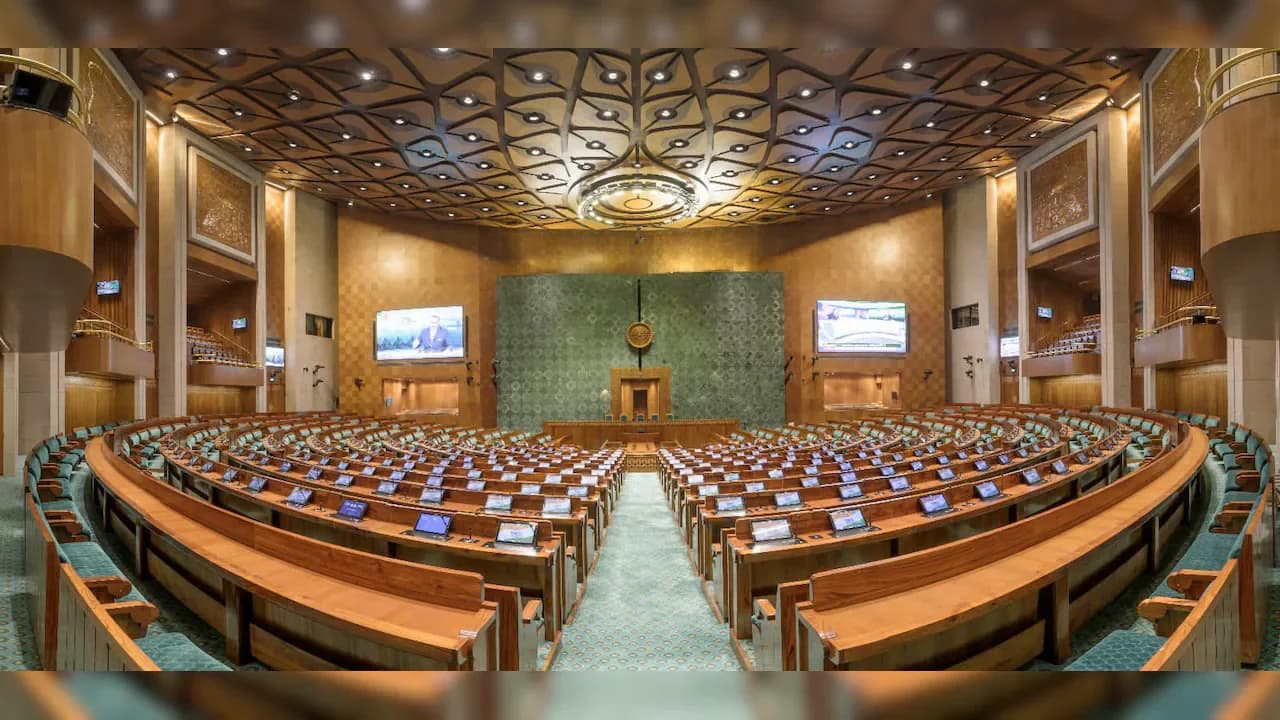
The primary focus centers on operationalising the 33% women's reservation in Parliament and state assemblies, with the reservation period set at 15 years. According to the Bill, seats reserved for women will rotate after every third term, ensuring continuous representation while maintaining the constitutional balance. Law Minister Arjun Ram Meghwal stated that the implementation of reservation is linked to the constitutional scheme of readjustment in seat allocation and re-drawing boundaries of territorial constituencies by the Delimitation Commission. The framework aims to provide a structured approach to implementing the constitutional mandate for women's participation in democratic governance. The Constitution (One Hundred and Sixth Amendment) Act, 2023, provides for reserving one-third of seats for women in the Lok Sabha, state legislative assemblies and the Delhi Assembly, making the current legislative exercise crucial for operationalising this constitutional provision.
The legislative package extends the quota framework to Delhi, Jammu and Kashmir and Puducherry, ensuring uniform implementation across all major administrative units. Constituencies will be demarcated on the basis of the 2011 Census, with the delimitation commission to be constituted immediately after Parliament clears the Bills. The reservation of seats for women will be implemented for the 2029 Lok Sabha elections, marking a significant milestone in women's political representation. The extension covers both union territories and state-level assemblies, ensuring that the women's reservation benefits are available to all citizens regardless of their geographical location within India. The revised Union Territories legislation, to be introduced by Shah, proposes amendments to the Government of Union Territories Act, 1963, the Government of National Capital Territory of Delhi Act, 1991, and the Jammu and Kashmir Reorganisation Act, 2019.
The bills include provisions for restructuring seat allocation and redrawing constituency boundaries, with the current inter-state ratio of constituencies in both Houses of Parliament based on the 1971 population frozen until 2051. The Bill proposes linking Assembly seat allocation to the latest published census figures available on the date of commencement of the Constitution (One Hundred and Thirty-second Amendment) Act, 2026, changing from the present mention of 2001 Census. The maximum strength of Lok Sabha will increase to 850 and of Assemblies to 650, with the delimitation exercise increasing Lok Sabha seats in all states by 50%. Previous Bills, including one linking women's quota to the 2027 Census, will be withdrawn to streamline the legislative process. The Delimitation (Second) Bill, to be introduced by Meghwal, seeks to provide the legislative framework for implementing women's reservation in the Lok Sabha and the legislative assemblies of states and Union Territories, while also providing for the readjustment of parliamentary seats allocated to states and Union Territories.
The legislative exercise brings two closely connected issues within a common legislative framework, with the Delimitation (Second) Bill, 2026 providing the legislative framework for implementing women's reservation while also addressing constituency boundaries and seat allocation. The Delimitation Commission will be constituted immediately after Parliament clears the Bills, with the exercise having significant implications for political representation. Monday's agenda also includes a motion by Meghwal seeking suspension of the application of Rule 66 of the Lok Sabha's Rules of Procedure and Conduct, specifically concerning the consideration and passage of the Delimitation (Second) Bill, 2026, and the Union Territories Laws (Amendment) Second Bill, 2026, insofar as their consideration depends on the Constitution (132nd Amendment) Bill. The proposed suspension is intended to enable the House to consider the interconnected legislations as part of the same legislative exercise, with the Constitution Amendment Bill taking the centre stage of the proposed framework.