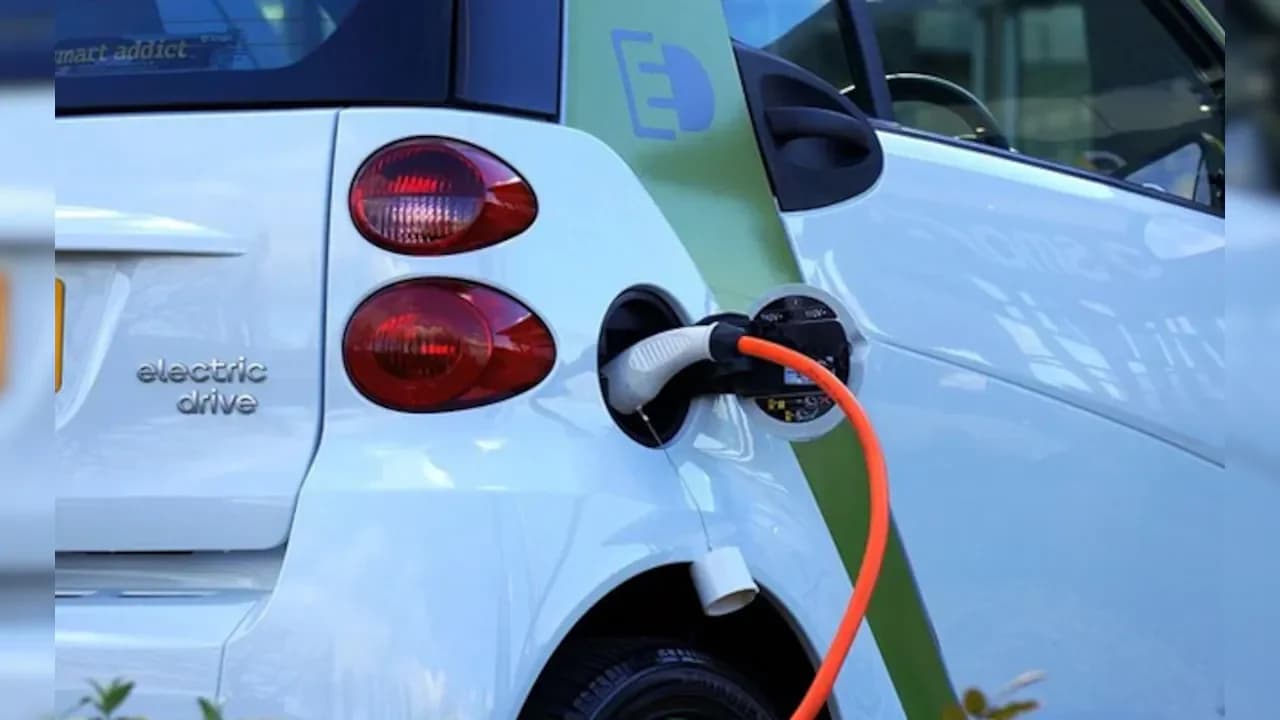
India's electric vehicle charging infrastructure has achieved a significant milestone, with 29,151 public EV charging stations operational as of December 2025, representing a nearly six-fold increase from around 5,000 stations in 2022. According to a report by Rubix Data Sciences citing data from the Ministry of Heavy Industries, over 200 charging point operators (CPOs) are now operating nationwide, with the top 10 states accounting for nearly 78% of this charging base. Karnataka leads with 21% market share, followed by Maharashtra at 14%, Uttar Pradesh at 8%, Delhi at 7%, and Tamil Nadu at 6%. The charging infrastructure includes 67,657 chargers as of August 7, 2026, with 1,139 chargers associated with battery swapping stations (BSS).
Electric commercial vehicle manufacturers face a critical deadline crisis as localisation requirements under the PM E-DRIVE scheme take effect from Tuesday. According to Business Standard, the Society of Indian Automobile Manufacturers (SIAM) has sought a seven-month extension from the Ministry of Heavy Industries, requesting that the deadline for localising traction motor and motor controller systems be deferred from September 1, 2026, to April 1, 2027. The industry body cited continued disruption in rare-earth magnet supplies due to China's export restrictions, which have significantly altered global supply chains for permanent magnets - a critical input for traction motors used in electric buses and trucks. Government officials told Business Standard that a decision on the industry's request is yet to be taken. The ministry had originally planned to enforce these norms from September 1, 2025, but deferred the deadline twice following industry representations.
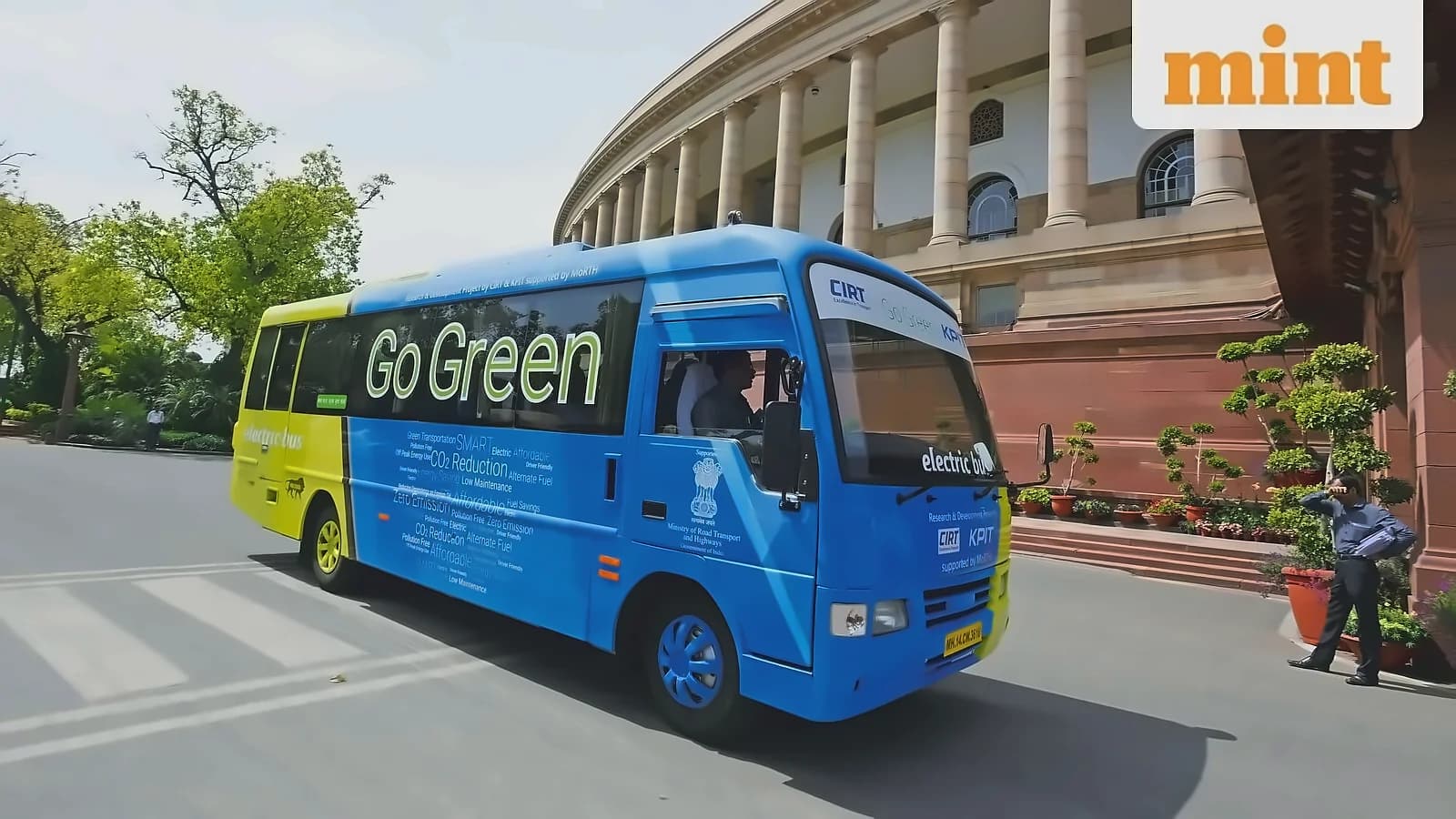
The heavy industries ministry is considering expanding its proposed ₹9,852 crore financing scheme for electric commercial vehicles to include interest subvention for charging infrastructure. According to reports from Mint, the scheme, which was pegged at ₹9,852 crore as of May, aims to provide interest subvention and credit guarantees for the rollout of 50,000 e-buses and 50,000 e-trucks over five years. The ministry is now weighing additional incentives as operators face a second major upfront cost beyond buying the vehicles, either purchasing chargers for their depots or tying up with charge point operators. The proposed charging support would address India's current 67,657 public EV chargers, with only 534 chargers (0.7%) having capacity of 121-240 kilowatts and just nine chargers (0.01%) above 240kW capacity. Government support remains a key catalyst: the PM E-DRIVE scheme has been extended by two years to March 2028, with its overall outlay increased to ₹11,900 crore, including ₹2,000 crore earmarked for public EV charging infrastructure.
India's e-bus market has shown significant growth, with sales rising 81% to 3,644 units in FY24 before falling 6% to 3,314 units in FY25 and rebounding 37% to 5,356 units in FY26, according to the road transport and highways ministry's Vahan registry. However, EV penetration currently stands at 28.2 million vehicle registrations in 2025, including over 2.3 million EVs, with EV penetration highest among three-wheelers at 60.77%, followed by two-wheelers at 8.88% and four-wheelers at 5.70%. The government's ₹500 crore PM E-Drive scheme for e-trucks has seen limited success, with only 52 e-trucks receiving incentives as of 24 August. Utilisation remains critically low, ranging between 1-3% according to an SBI report, and around 5% according to S&P Global, well below potential capacity. High and uneven electricity tariffs (₹6-15/kWh) squeeze margins, particularly at low-utilisation stations, while expensive site acquisition and a mandated minimum monthly uptime of 98% add further operational pressure.
Despite current challenges, the charging infrastructure shows significant growth potential. The India Energy Storage Alliance projects annual EV sales could rise 12-fold to 30.4 million units by 2032 under a high-growth scenario, while separate industry estimates project as many as 50 million EVs on Indian roads by 2030. Against the government's target of 30% EV penetration in new vehicle sales by 2030, a CII estimate cited in the report suggests India could require at least 1.32 million charging points by 2030 — nearly 20 times the number installed today - based on a planning ratio of one charger for every 40 EVs. The report expects CPOs to increasingly compete on fast-charging corridors, high-traffic locations, interoperability and reliability, with operators that have strong site networks, efficient power management and differentiated customer offerings best positioned to capture the opportunity. As noted by Rubix Data Sciences, the paradox at the heart of India's charging story is this: stations have grown six-fold since 2022, but utilisation is still stuck at 1-5%.