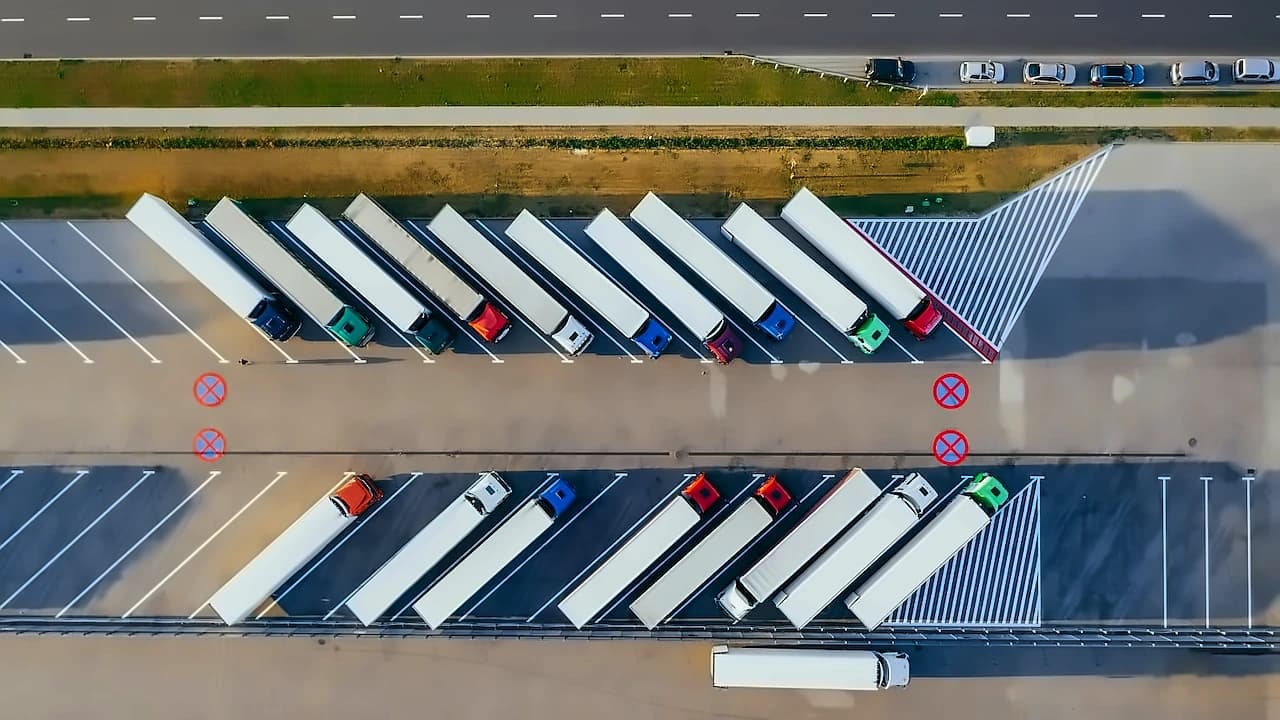
The Indian Auto LPG Coalition (IAC) has urged the government to include Auto LPG-powered commercial vehicles in the proposed five-year age extension for vehicles operating under the national permit system. According to Business Standard, Suyash Gupta, Director General of the Indian Auto LPG Coalition, argued that cleaner mobility policy cannot be technology-selective, stating that Auto LPG must also be included as it is a proven, readily available and cost-effective transport fuel. The coalition emphasized that Auto LPG vehicles that meet prescribed safety, fitness and emission standards should also qualify for the extension, positioning it as an alternative to immediate vehicle replacement. Auto LPG is used by more than 30 million vehicles globally and is available at nearly 80,000 refuelling stations, while in India there are close to 2,500 Auto LPG dispensing outlets alongside an established vehicle-conversion ecosystem. The IAC has called for Auto LPG-powered commercial vehicles to be added to the proposed national-permit age-extension framework before the amendments are finalized.
The Ministry of Road Transport and Highways (MoRTH) has issued draft amendments to the Central Motor Vehicles Rules, 1989, proposing to allow the extension of the age limit for commercial vehicles powered by electric batteries, hydrogen and compressed natural gas (CNG) by up to five years. Published on August 10, the draft rules cover battery-operated, hydrogen fuel-based, and natural gas-driven vehicles, though the notification does not specify the new maximum permissible age for each category. The extension applies specifically to vehicles covered by Rule 88, sub-rule (3), which currently provides that a national permit becomes invalid once a goods carriage completes 15 years for multiaxle vehicles and 12 years for other goods carriages, unless the vehicle is replaced. The rule clarifies that this age is calculated from the date of initial registration of the vehicle, or from the date of initial registration of the prime mover in the case of an articulated vehicle. Under the proposed changes, the existing age limits of 12 years and 15 years for vehicles covered by the national permit system would be extended to 17 years and 20 years, respectively, for battery, hydrogen and natural gas vehicles. The move would potentially allow eligible commercial vehicles to remain on the road for longer than their existing permitted age, particularly benefiting operators who have invested in alternative-fuel vehicles with higher upfront costs.
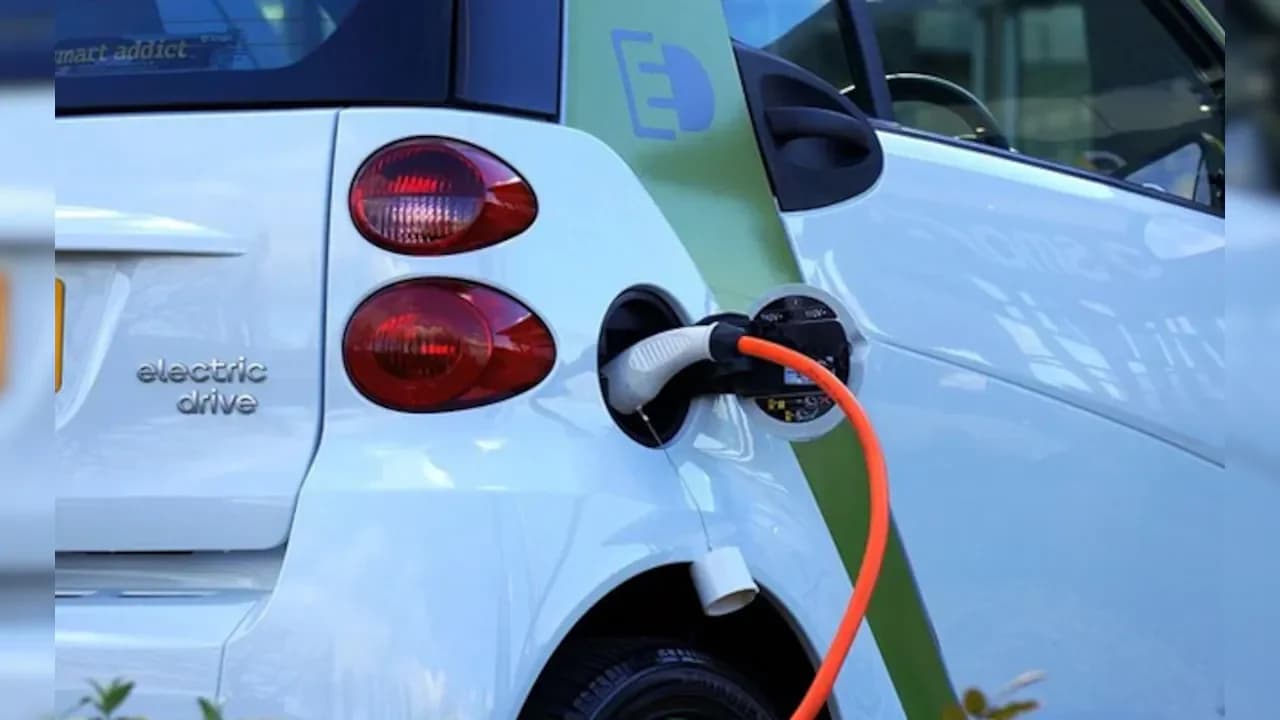
The Centre's proposal to extend the regulatory life of eligible clean-fuel commercial vehicles by five years has received mixed industry reactions. According to Business Standard, Mahesh Babu, managing director of commercial vehicle player Olectra Greentech, called the extension a significant step towards improving total cost of ownership (TCO) over the vehicle lifecycle. Babu noted that EVs are fundamentally more efficient and have fewer moving parts compared to conventional vehicles, which can support longer and more efficient asset utilisation. The extension would allow fleet owners to extract greater value from their assets and improve overall profitability and return on investment of electric fleets. However, Anurag Singh of Primus Partners argued that the economic life of a heavily utilised commercial vehicle could be considerably shorter than its permitted regulatory life, highlighting the gap between regulatory and economic viability. The IAC welcomed the proposal, stating that extending eligibility to compliant Auto LPG vehicles would allow fleet owners to extract greater value from existing investments while supporting emissions reduction without requiring immediate vehicle replacement.
Industry experts present mixed views on the economic implications of the extended regulatory life. As reported by Business Standard, EV charging network Statiq estimates that adding five years could reduce annualised vehicle capital costs by around 25-30 per cent for a typical electric truck with a baseline life of 12-15 years, assuming similar utilisation. Akshit Bansal, founder and chief executive officer of Statiq, noted that longer life improves EV economics relative to ICE alternatives. However, battery durability and replacement costs remain significant concerns for electric trucks. Industry sources indicate that a battery-electric truck could require at least one battery replacement roughly every seven years, implying potentially two replacements if a vehicle were operated for close to 20 years. This could significantly affect the economics of using the additional permissible life, given that the battery is one of the most expensive components of an electric vehicle. Anurag Singh of Primus Partners argued that the economic life of a heavily utilised commercial vehicle could be considerably shorter than its permitted regulatory life, making the theoretical gains dependent on actual vehicle utilisation and maintenance costs.
The government is considering digitising national permits, potentially reducing paperwork and making the process more transparent. As reported by The Economic Times, the draft amendment also proposes making national permit authorisations more flexible by allowing operators to opt for authorisation for up to five years at a time. The proposed fee structure remains ₹16,500 for each year of the authorisation, payable directly into the national permit account. For a five-year authorisation, the total fee would be ₹82,500. The Ministry of Road Transport and Highways has proposed making the national permit process more digital with applications in Form 46 to be made electronically, while authorisations in Form 47 to be granted electronically. The draft also proposes greater use of the VAHAN database to automatically fetch details in Forms 16, 46 and 48. For vehicle owners, the draft proposes specifying an Aadhaar-linked mobile number in Form 20 and recording agreement or loan account numbers in documents relating to hire-purchase, lease or hypothecation arrangements. The government has invited public objections and suggestions for 30 days before final publication in the Official Gazette.
The longer operating horizon raises questions about charging infrastructure requirements. According to Business Standard, EV charging network Statiq is deploying 120-240 kW chargers that are firmware-upgradable and designed to accommodate hardware retrofits as charging requirements evolve. Akshit Bansal of Statiq noted that the company expects the longer permissible life to strengthen the economics of electric commercial vehicles by allowing their higher upfront costs to be spread over a longer operating period. However, industry sources pointed out that there are currently no 20-year-old electric trucks in the market, making it difficult to assess how such vehicles and their components would perform over the extended operating period. The All India Transport Welfare Association (AITWA) welcomed the move and said this would help the resale of clean-fuel vehicles, and also conversion to CNG. Pradeep Singal, chairman of AITWA, suggested that with the quality of vehicles improving, the age limit should be at least 25 years, though he noted that fleet owners are not using their long-distance vehicles for more than nine years even now. The IAC argued that a multi-fuel approach can help address the different requirements of India's diverse vehicle market, describing EVs and hydrogen as longer-term pathways while positioning Auto LPG as an option for segments where conversion may be more feasible than replacing vehicles.
The proposed extension comes as India continues to encourage the adoption of cleaner transportation technologies, but the government will need to balance the benefits of longer vehicle lifespans against road safety and environmental concerns. As reported by multiple sources, vehicle condition, fitness certification, maintenance standards and emissions compliance remain important considerations when extending age limits. The focus should increasingly move from viewing a vehicle as an asset with a fixed age to looking at its usable and productive lifecycle, according to industry experts. The fully digitized National Permit system will eliminate red tape, drastically reduce processing times, and ensure a transparent, hassle-free environment for transporters operating across state borders, while the expanded trade-certificate framework will allow automotive component manufacturers to seamlessly test and transport parts. Successful implementation would depend on reliable digital infrastructure and coordination between central and state authorities, with the proposal bringing into focus the difference between the regulatory and economic life of a clean-fuel truck. The IAC emphasized that extending eligibility to compliant Auto LPG vehicles would support emissions reduction without requiring immediate vehicle replacement, positioning it as an alternative to complete fleet replacement.