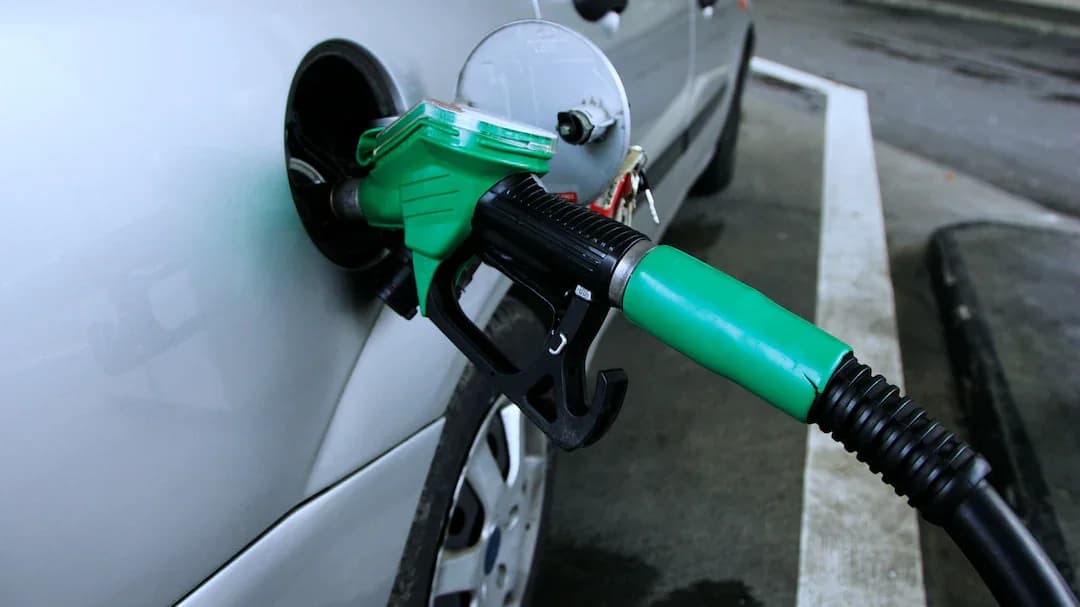
The Bureau of Indian Standards (BIS) has introduced a new Indian standard for higher ethanol-petrol blends, covering E22, E25, E27, and E30 fuels. According to reports from Business Standard, the standard IS 19850: 2026 was notified on May 15, laying down specifications for fuel blends made by mixing anhydrous ethanol with motor gasoline for use in positive ignition engine-powered vehicles. The notification was issued under Rule 15(1) of the Bureau of Indian Standards Rules, 2018, and came into effect from May 15, 2026. The standard defines technical and quality parameters including composition, blending requirements, permissible impurity levels, testing methods, and safety norms. The notification was published in the Gazette of India, formally creating a fuel-quality framework for blends beyond E20, indicating that the government is beginning to prepare the ecosystem for the next stage of ethanol adoption.
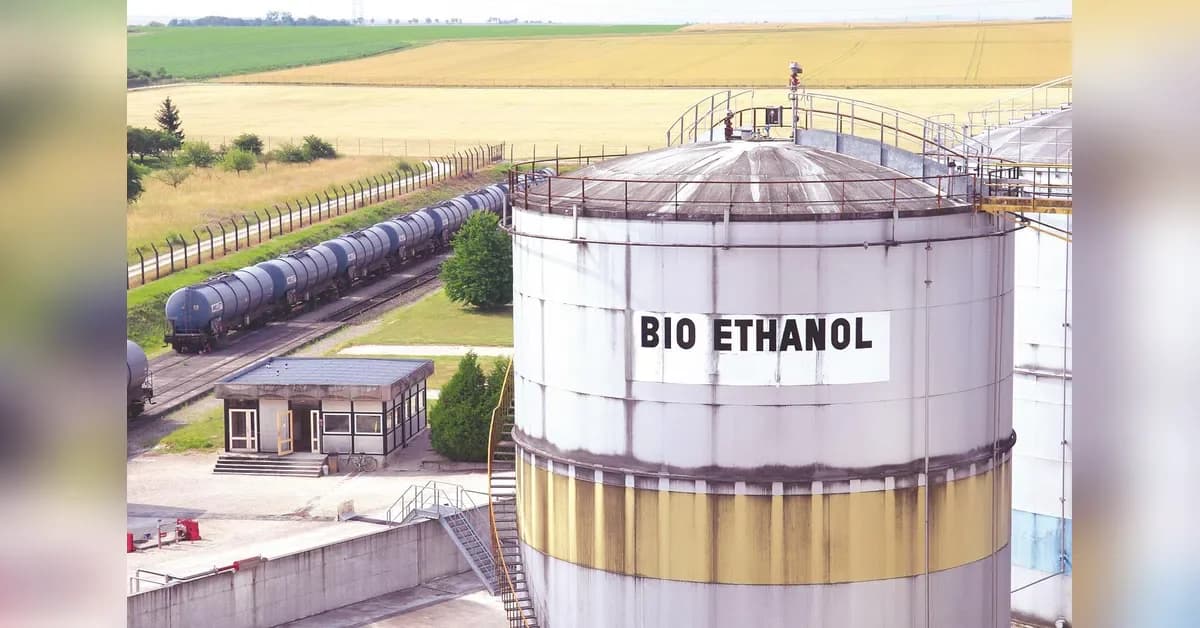
The All India Distillers' Association (AIDA) has welcomed the BIS notification as a major milestone in India's ethanol blending roadmap, describing it as a significant step towards cleaner and more sustainable mobility solutions. As reported by Business Standard, the introduction of E25 fuel standards would help absorb surplus ethanol production and strengthen the ethanol economy. The industry body particularly welcomed the move, saying it could help absorb surplus sugar and ethanol production capacities currently present in the market. Vijendra Singh, President of AIDA, termed the move a "significant and timely" step towards advancing India's ethanol programme, stating that the publication of BIS standards for E22 to E30 fuels is not just a technical notification but a progressive and forward-looking step that reinforces the Government's long-term commitment towards higher ethanol adoption, reduced crude oil dependence, and a cleaner mobility ecosystem. The development comes as India has been steadily increasing ethanol blending in petrol as part of its strategy to reduce crude oil imports, cut emissions and promote renewable energy alternatives.
E20 — a blend of 20 per cent ethanol and 80 per cent petrol — is currently mandatory in India, with all fuel pumps supplying this grade. As reported by Business Standard, following US and Israeli attacks on Iran on February 28, the Ministry of Petroleum and Natural Gas and the Ministry of Heavy Industries started discussions with the auto industry on how India should move beyond E20 towards higher blends such as E25. The May 15 notification showed that BIS was preparing the technical groundwork well in advance so that future policy changes, vehicle norms, and fuel supply systems can be aligned more smoothly. The National Policy on Biofuels, amended in 2022, had advanced the 20% target from 2030 to ESY 2025–26, with public sector oil marketing companies driving the effort under the Ethanol Blended Petrol (EBP) Programme. The latest BIS notification is expected to provide regulatory clarity for automakers, oil marketing companies and biofuel producers as India prepares for the next phase of ethanol-led mobility solutions.
According to Business Standard, India has around 240 million two-wheelers and 40 million cars on the road that were originally designed for lower ethanol blends. Automobile industry executives expressed concerns about how these vehicles will handle higher ethanol blends as the government considers moving beyond mandatory E20 fuel. Industry stakeholders have also pointed to the need for greater alignment across fuel infrastructure, dispensing systems and nationwide fuel consistency before higher ethanol blends can be rolled out at scale. Multiple automobile industry executives told the newspaper that testing by government-run agencies during 2026 should be an essential part of any transition to E25. They added that customers can adapt well if there is adequate awareness, appropriate fuel pricing, and clear guidance from automakers. Automakers have largely completed the transition towards E20-compatible vehicles, but higher blends such as E30, E85 and E100 are expected to require additional engineering and validation work around engine calibration, fuel-system durability, corrosion resistance and material compatibility. The latest BIS notification is expected to provide regulatory clarity for these upcoming transitions.
AIDA has emphasized that India's long-term strategy should now move towards even higher ethanol blends such as E85 and E100, with flex-fuel vehicles (FFVs) expected to play a critical role in boosting ethanol consumption. As reported by Business Standard, Vijendra Singh noted that FFVs can play a transformational role in enabling higher ethanol consumption, strengthening energy security, reducing emissions, and creating a sustainable long-term market for domestic biofuels. The industry body noted that India's long-term focus should now shift towards the adoption of E85 and E100 fuels, along with the development of flex-fuel vehicles, to support future growth in the sector. This strategic shift towards higher ethanol blends and flexible fuel technology is expected to support the government's goal of reducing crude oil imports while promoting domestic sugar and biofuel industries.