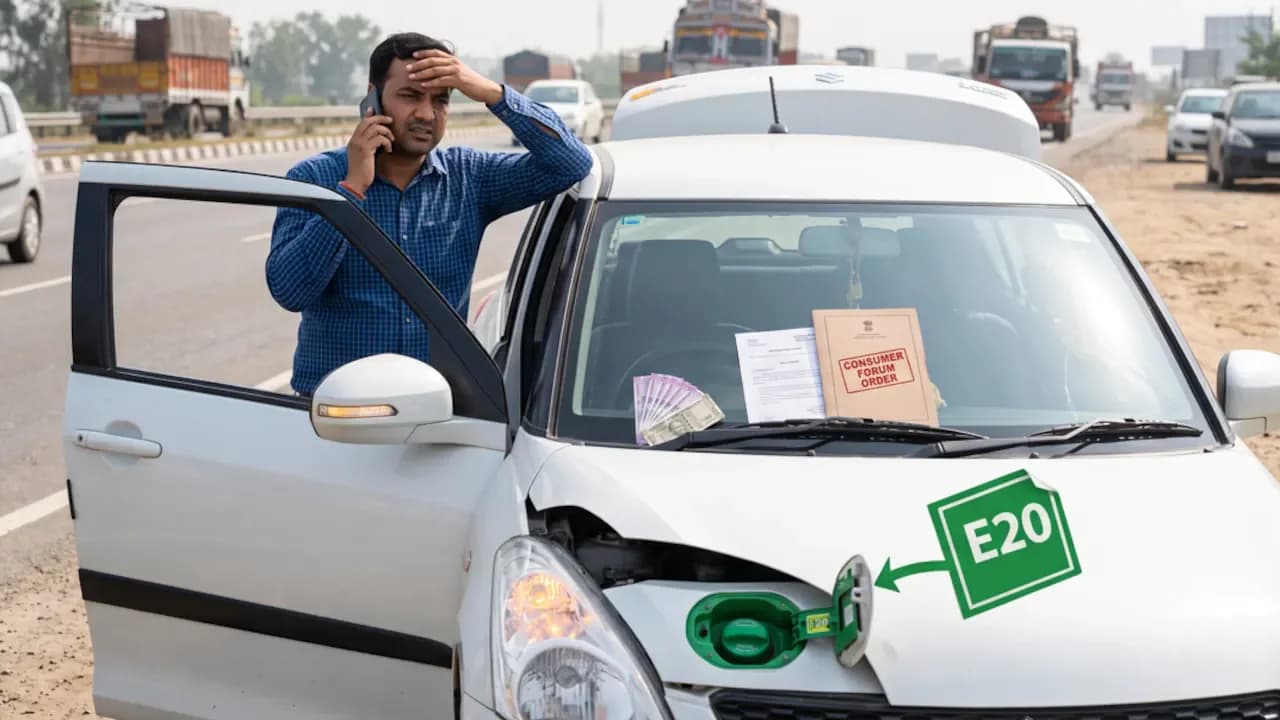
India's shift to E20 fuel is unlikely to disrupt motor insurance claims, with insurers and the government aligned that policies remain valid regardless of fuel use. According to reports from Essential Business Intelligence, insurers say motor policies are designed to cover sudden and accidental damage, not gradual deterioration. The distinction is key in the context of ethanol-blended fuel, as engine wear or component degradation linked to E20 use could be treated as mechanical breakdown or wear and tear, which are typically excluded. However, if such failure leads to an accident, the resulting damage would still be payable.
Legal experts say this position materially limits the ability of insurers to deny claims solely on the basis of fuel use. As reported by Essential Business Intelligence, Aravind Venugopal, partner at Khaitan & Co, stated that "a claim cannot be repudiated merely because E20 was used. The onus is on the insurer to establish, through its surveyor, that the fuel actually caused the damage in a vehicle unsuited to it and not on the owner to prove it did not." The tension is most acute for India's large base of older vehicles that are not fully E20-compatible, with vehicle owners having limited choice as blended fuel becomes the default at pumps. A parallel concern emerges from standard policy exclusions, as reported by Essential Business Intelligence. Anirud Sudarsan, partner at Cyril Amarchand Mangaldas, noted that damage due to E20 is nowhere expressly excluded in standard policy wordings across leading private insurers. However, insurers may seek to invoke the universally applicable exclusion for 'consequential loss, mechanical or electrical breakdown' to potentially deny claims where progressive, E20-induced damage to fuel systems or engine components is established.
With the government mandating E20 at fuel stations from April 1, 2026, and high-octane alternatives becoming either unavailable or prohibitively expensive, characterizing its use as 'negligence' or 'improper use' finds no support in current policy wordings. As reported by Essential Business Intelligence, insurers will grapple with the interpretational question of whether exclusion provisions in policies can reasonably be read to capture damage arising from the use of a government-mandated fuel. A review of standard policy wordings across leading private insurers reveals that damage due to E20 is nowhere expressly excluded, but insurers may seek to invoke the universally applicable exclusion for 'consequential loss, mechanical or electrical breakdown' under every policy to potentially deny claims where progressive, E20-induced damage to fuel systems or engine components is established. With the government having mandated E20 at fuel stations from April 1, 2026, and high-octane alternatives becoming either unavailable or prohibitively expensive, characterizing use of the only fuel available as 'negligence' or 'improper use' finds no support in these policy wordings.
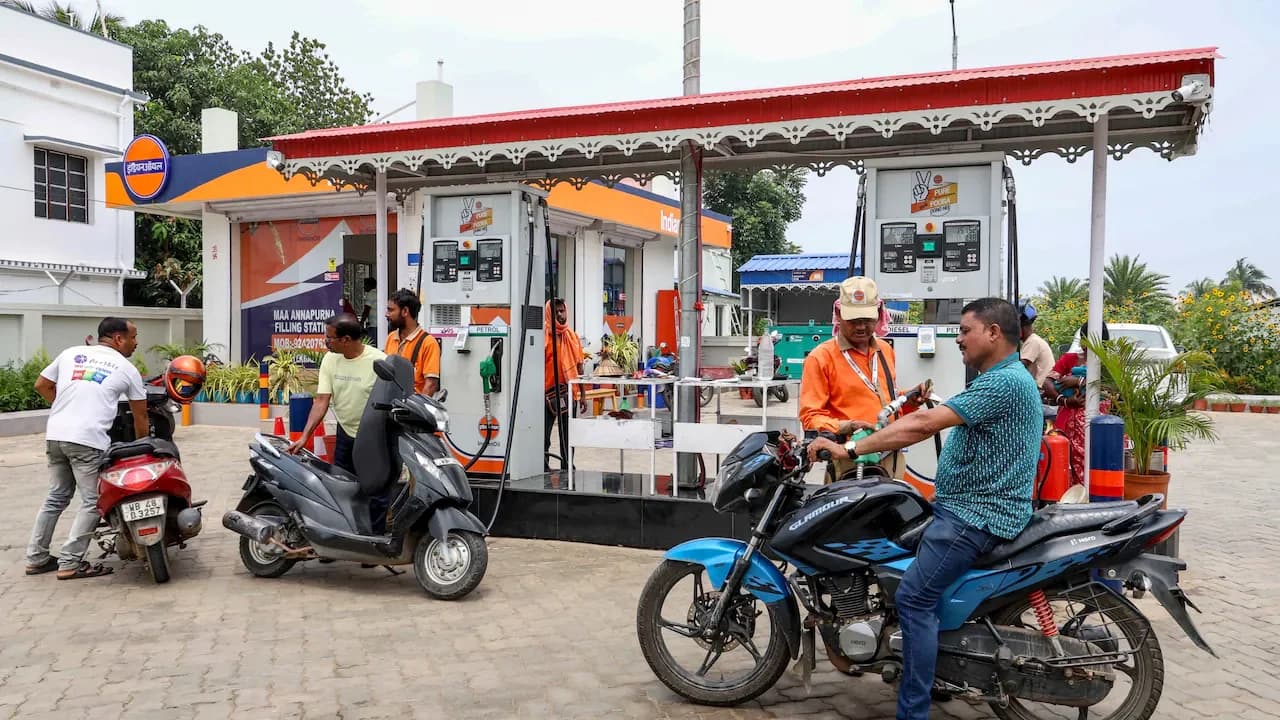
For now, there is little evidence to suggest E20 alters risk at a portfolio level, according to reports from Essential Business Intelligence. Insurers say they have not seen any claims attributable to ethanol blending and do not expect a material change in accident frequency. This implies no immediate impact on premiums, even as the policy environment evolves. The issue came into sharper focus after ICICI Lombard initially flagged the use of E20 in older vehicles as potential negligence before clarifying that policies would remain valid irrespective of fuel choice, with digital insurance giant Acko also indicating that claims would be honoured. The government has previously clarified that insurance coverage would not be voided due to the use of E20.
The industry is looking to the Insurance Regulatory and Development Authority of India for a clear directive on whether damage linked to government-mandated fuels can be classified under existing exclusions, as reported by Essential Business Intelligence. Such clarification would help standardise claims handling and avoid future disputes. For insurers, the issue is less about pricing risk and more about claims interpretation and legal exposure, with some evaluating the feasibility of ethanol-specific add-ons, though the challenge lies in establishing causation if proving that ethanol caused a particular failure becomes cumbersome. For the older, non-compliant fleet that is the real ambiguity, and it is one the standard wording does not yet resolve fairly, given the owner has no practical alternative at the pump, according to legal experts. Clarification from IRDAI on the resolution of this ambiguity would be welcome.