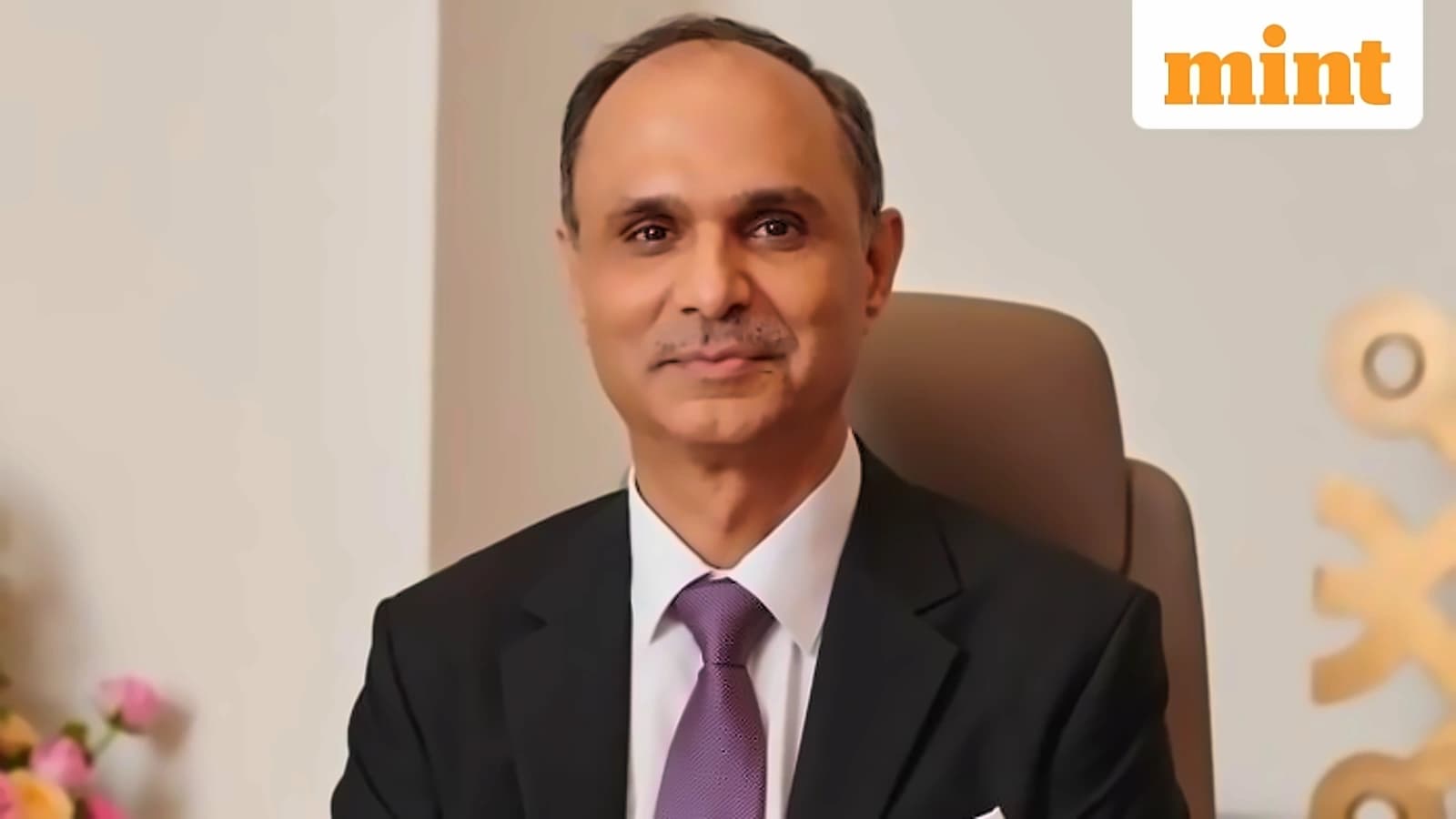
BPCL Chairman and Managing Director Sanjay Khanna has categorically clarified that E20 petrol will not be replaced by E10, stating 'I never said that E20 will be changed to E10' during a media call following the company's annual shareholder meeting. As reported by Business Standard, Khanna emphasized that the current debate focuses on whether older vehicles should have access to a lower-ethanol blend fuel, rather than replacing the existing E20 variant. He stressed that 'That doesn't mean E20 will be out and E10 will be in' and confirmed that 'Nothing has been finalised' regarding any changes to the current fuel-blending regime. Khanna acknowledged that 'if it happens or what are the changes required? I will say nothing because already we established E20. It's only a matter of changing from E20 to E10', adding that 'we don't see as a company any challenge for that matter'.
Fuel retailers have identified practical solutions to implement E10 through existing infrastructure, with BPCL Chairman Sanjay Khanna noting that 'providing '95 Octane' branded fuels with 10% ethanol is quite easy for OMCs. No need to change tanks or delivery units.' As reported by Business Standard, Khanna confirmed that 'we don't see as a company any challenge for that matter' when switching from E20 to E10. However, the distinction between switching the blend and supplying an additional grade of petrol alongside E20 presents a more significant logistical challenge, particularly given India's extensive fuel-distribution network. Monty Sehgal, national spokesperson for the Federation of All India Petroleum Traders, had previously stated that 'providing '95 Octane' branded fuels with 10% ethanol is quite easy for OMCs. No need to change tanks or delivery units.'
Notably, Chief Economic Adviser V Anantha Nageswaran and Akash Poojari, a consultant in Department of Economic Affairs, co-authored an opinion piece in The Indian Express on August 18, calling for 'restoring a lower blend at the pumps, say E10, alongside the option to buy E20' to protect millions of older vehicles. As reported by Business Standard, Nageswaran and Poojari argued that 'the evidence did not support widespread claims that E20 damages vehicle engines' but noted that 'the policy could pose problems for India's large fleet of older two-wheelers'. They emphasized that 'India has roughly 75 to 80 million older two-wheelers built before BS-IV that run on carburettors' and recommended that 'the government should protect the existing fleet while the retrofit programme catches up'. Consumer unions have reinforced this position, with Amarender Reddy, president of the Telangana Petroleum Dealers Association, stating that consumers should be given all options, and Ashim Sanyal, managing trustee of Consumer VOICE, emphasizing that 'consumers should have the freedom to choose fuel that is compatible with their vehicles, particularly older vehicles that may not be designed for higher ethanol blends.'
Despite higher prices, demand for premium fuels has surged significantly amid E20 concerns, with premium fuels currently costing approximately ₹110-115 per litre, while regular petrol costs around ₹102 per litre, yet their share of total petrol sales by oil marketing companies has reportedly increased to around 15%, from about 4% in March. As reported by Livemint, the government and oil companies are currently assessing consumer willingness to pay a premium for E10 fuel, with officials noting that 'it is being looked at if a regular, cheaper E10 would be more acceptable or an expensive, premium E10'. According to Business Standard, BPCL Chairman Sanjay Khanna acknowledged that 'what are challenges related to supplies of another grade of (petrol)... those are challenges being debated' when discussing the implications of supplying another grade of petrol. The Ministry of Petroleum and Natural Gas has maintained that maintaining separate nationwide streams for different blends could increase logistics and handling costs, stating that 'running parallel nationwide supply chains for pure petrol, E10 and E20 would be an entirely different proposition'.