Karnataka Minister Priyank Kharge has asserted that the state will proceed with the Mekedatu project in accordance with Supreme Court directions, dismissing opposition from Tamil Nadu Congress as personal opinions. According to The Times of India, Kharge emphasized that "Whether it is me, you, or anyone else, we must proceed in accordance with the directions of the Supreme Court. They themselves have said that excess water is flowing into the sea. They have also said that Kannadigas can make productive use of that water." The minister stated that "personal opinions do not matter here" and that the state will take whatever steps are necessary to move forward with the project. This comes after the Tamil Nadu Assembly passed a resolution opposing Karnataka's proposed dam across the Cauvery River on June 19, with the resolution moved by Tamil Nadu Chief Minister Vijay, citing legal and constitutional concerns.
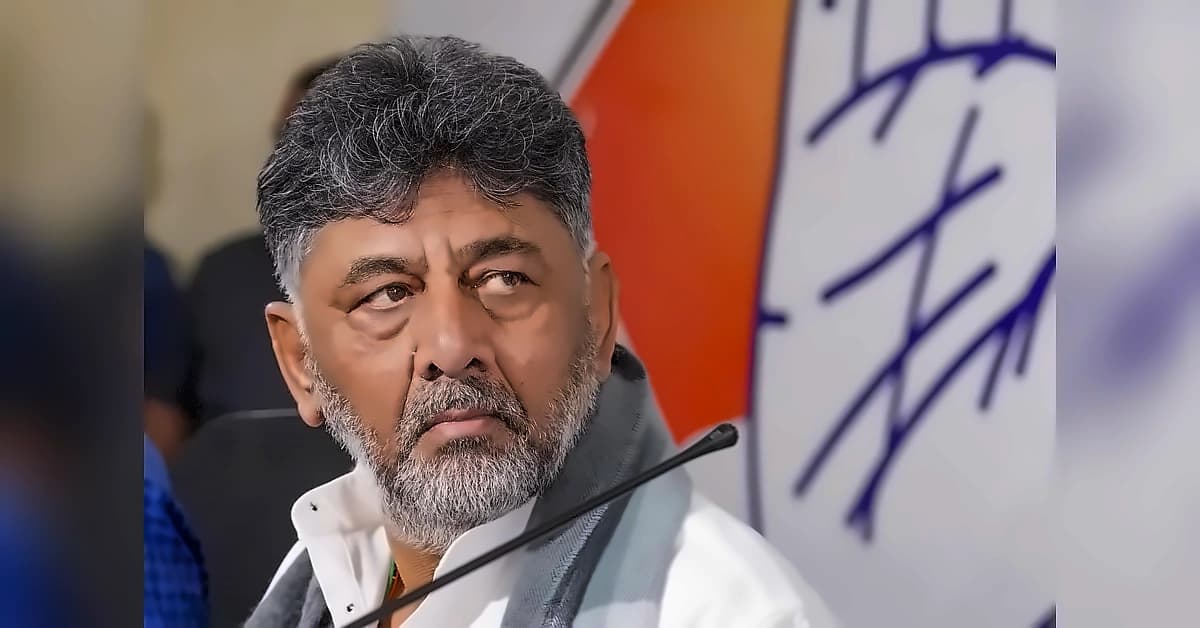
Karnataka Chief Minister DK Shivakumar announced a comprehensive new footpath policy for Bengaluru to address persistent misuse of public infrastructure. According to reports from NDTV Profit, Shivakumar highlighted that despite heavy government investment in constructing footpaths, they are continuously misused for vehicular parking and unauthorised business activities. The Chief Minister stated that citizens are facing significant trouble walking on footpaths, prompting the decision to bring a new policy for footpaths. As per The Times of India, the new policy is being designed to ensure that footpaths are used for walking and are no longer blocked by parked vehicles or commercial activities. The government has spent significant money constructing footpaths, but many of them are now occupied, making it difficult for citizens to walk safely.
The government has announced penalties ranging from ₹50,000 to ₹1 lakh for each illegal flex banner, as reported by NDTV Profit. Shivakumar acknowledged that members of all political outfits, including his own party, are guilty of this practice. The Chief Minister stated that "No matter how much we say, flex banners keep coming up. All parties put them up; our party people also do. Everyone puts up flexes. The name of whoever is at the bottom will be fined." According to The Times of India, as part of the proposed enforcement measures, the government will hold accountable the individual whose name is printed at the bottom of an illegal banner. Such persons could face fines ranging from ₹50,000 to ₹1 lakh for every unauthorised flex banner displayed. The government already has a proper system for legal advertisements through designated advertising boards, but banners placed without official permission at unauthorised locations will not be allowed under the new enforcement measures.
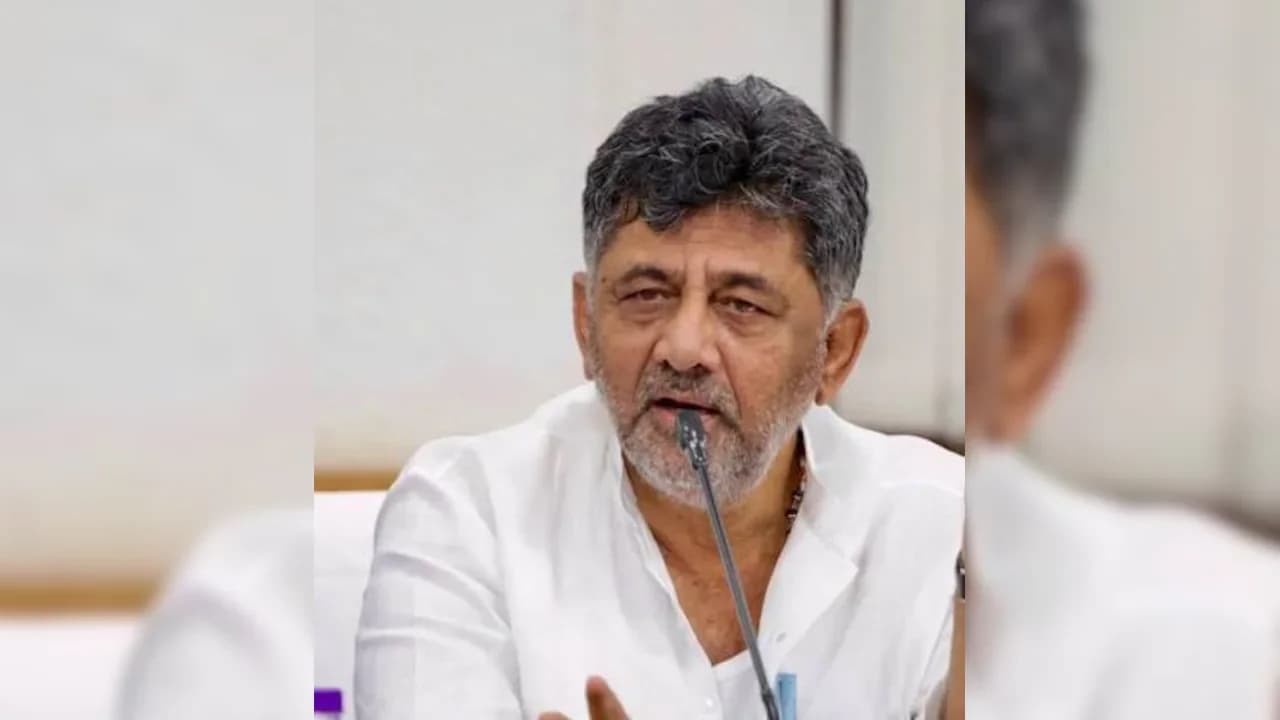
According to The Times of India, the new policy aims to free up footpaths and create specific places for vendors to operate legally. The government plans to prioritise pedestrian-friendly infrastructure, tighten oversight of street vending and crack down on illegal flex banners to reduce visual pollution. Chief Minister Shivakumar noted that the proposed policy will focus on reclaiming footpaths for pedestrians while ensuring that vending activities are carried out only in approved locations. The government will identify and develop designated vending zones for street vendors so that their livelihoods are protected without affecting pedestrian movement. The objective is to maintain clean and obstruction-free footpaths while creating a balanced solution for both vendors and the public, with citizens able to walk safely without facing obstacles on public walkways.
The measures are expected to be implemented through a formal policy framework in the coming months, as reported by The Times of India. Shivakumar emphasized that the proposed policy will focus on reclaiming footpaths for pedestrians while ensuring that vending activities are carried out only in approved locations. The Chief Minister noted that unauthorised banners continue to appear despite repeated warnings, with people from all political parties, including members of his own party, having been responsible for putting them up. The government's approach aims to maintain clean and obstruction-free footpaths while providing a balanced solution that protects both vendors and public safety. The Mekedatu project implementation follows similar legal and constitutional frameworks, with the state committed to proceeding in accordance with Supreme Court directions.