
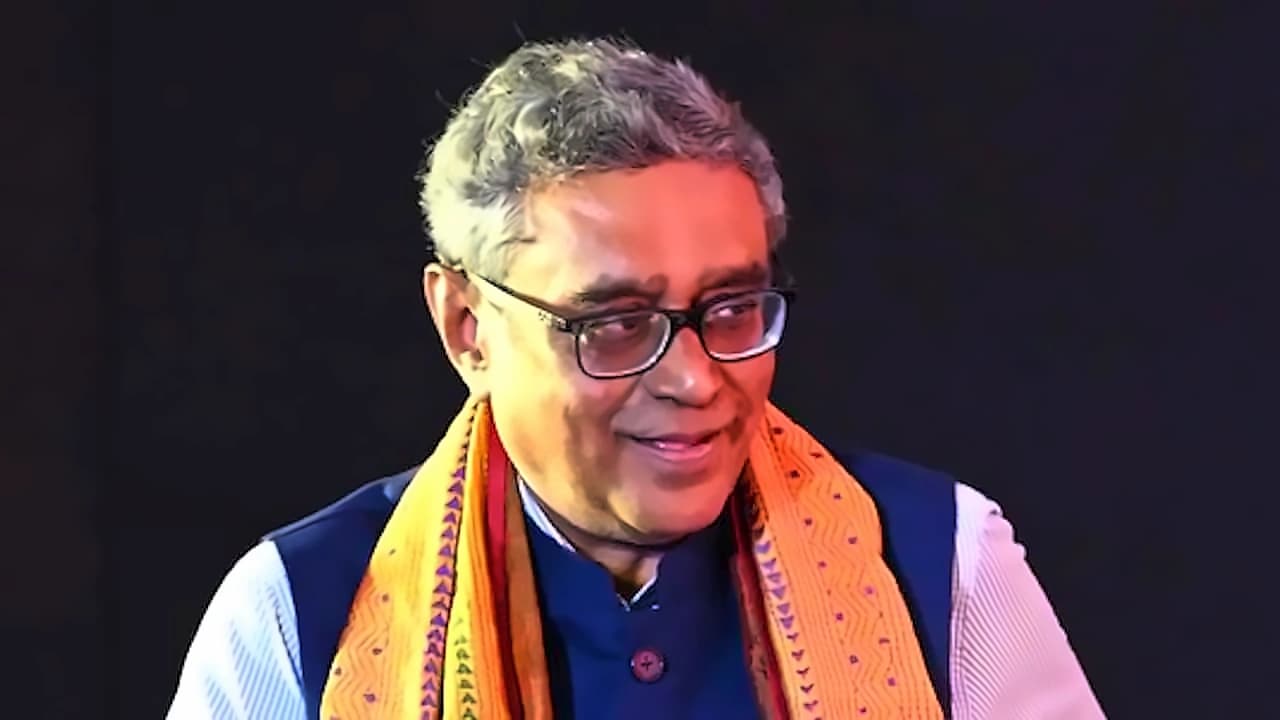
West Bengal Finance Minister Swapan Dasgupta announced on Saturday that the state will unveil its new industrial policy on Independence Day, signalling the BJP government's push to revive manufacturing through a sharper investment strategy. Addressing a capital markets conclave organised by the Confederation of Indian Industry (CII), Eastern Region, Dasgupta highlighted the need for a comprehensive land policy and stressed the importance of reusing land belonging to idle factories, while adding that the government would also focus on fiscal incentives for industry. This move marks a departure from the erstwhile TMC dispensation's hands-off land acquisition policy for industries, with the government now emphasizing that employment generation features in the state's highest priorities. As per PTI, the government expects to announce the next phase of its industrial roadmap by August, with a transparent industrial policy already prepared.
Industries Minister Tapas Roy revealed that the government was working on a comprehensive roadmap for industrial growth, with the objective to position West Bengal as a leading industrial destination by 2027 through a transparent, investor-centric policy. Speaking at the CII Manufacturing Conclave East, Roy stated that the Bengal government is committed to creating an industry-friendly ecosystem and is working on a comprehensive roadmap to accelerate industrial growth across the state. The new policy will incorporate a streamlined single-window clearance mechanism, line-based approvals, GIS-enabled land banks, a clear incentive framework, cluster-based industrial development, strengthened logistics infrastructure, and rationalised approval processes. Roy indicated that the state is also focusing on developing a robust Global Capability Centre (GCC) ecosystem, while a dedicated Startup Policy is expected to be unveiled soon. An expert committee is being constituted to simplify compliance requirements and further enhance the ease of doing business in the state, with the government's focus extending beyond attracting investments to creating quality employment opportunities and ensuring inclusive economic growth.
Chief Minister Suvendu Adhikari emphasized the government's commitment to job creation during a ground-breaking ceremony at the Shyam Steel Group's proposed expansion in Bankura district on Friday. As reported by Rediff Moneynews, Adhikari declared that "our incentives will depend not on how much you invest, but on how many jobs you create." The government is also focusing on developing a robust Global Capability Centre (GCC) ecosystem, while a dedicated Startup Policy is expected to be unveiled soon. An expert committee is being constituted to simplify compliance requirements and further enhance the ease of doing business in the state, with the government's focus extending beyond attracting investments to creating quality employment opportunities and ensuring inclusive economic growth. As per PTI, Roy emphasized that "the government stands firmly with industry and remains committed to providing all necessary support to facilitate investment, expansion, and sustainable growth."
Dasgupta pointed to Bengal's large pool of skilled manpower, noting that many skilled workers were forced to migrate elsewhere for jobs due to a lack of opportunities within the state. Addressing the capital markets conclave, he described this as skilled individuals effectively becoming economic refugees, underlining the need to retain talent locally. This workforce challenge has been a key factor driving the state's manufacturing policy reforms, with the government now committed to creating a conducive ecosystem for investors to generate employment and retain skilled workers within the state. As per PTI, Dasgupta highlighted the "abundant pool of human resources and skilled manpower" in Bengal, emphasizing that "due to the lack of adequate employment opportunities within the state, many skilled individuals are compelled to migrate elsewhere in search of work, effectively becoming economic refugees."
Bengal's industrial policy has long been shaped by the politics of land, particularly since Mamata Banerjee came to power in 2011 on the back of anti-land-grab movements in Singur and Nandigram. The BJP has argued that the previous TMC government relied too heavily on state-owned land banks and avoided any framework that could allow fresh acquisition of private land for large industries after the Singur controversy. The newly elected Suvendu Adhikari dispensation's proposed policy seeks to move beyond this model by allowing negotiated purchases directly from landowners, supported by faster approvals and better compensation and rehabilitation. The government has also announced plans to scrap the Urban Land Ceiling Act, calling it another barrier to industrial expansion, and has promised firm legal protection against extortion and disruption around industrial projects to improve investor confidence by enacting anti-Goonda laws. The political divide reflects two competing readings of Bengal's industrial history, with the TMC built its post-Singur identity around the promise that fertile farmland would not be acquired forcibly for industry, preferring industrial parks, land banks and brownfield sites, while the BJP plans to position its industrial policy as one that balances farmers' consent with the state's need for manufacturing-led growth.
