The Karnataka Cabinet on Friday resolved to recommend penal action against Karnataka Public Service Commission (KPSC) Chairman Shivashankarappa Sahukar and place him under suspension. The decision comes days after Enforcement Directorate (ED) officials searched multiple locations linked to Sahukar, including his residence and office. Sahukar had earlier been suspended on the orders of Governor Thaawarchand Gehlot over allegations that he used a fake income certificate to secure a government job for his daughter. The suspension was later stayed by the Karnataka High Court, which ordered his reinstatement. According to ANI, this latest development represents a significant escalation in the ongoing investigation into the KPSC chairman's alleged misconduct.
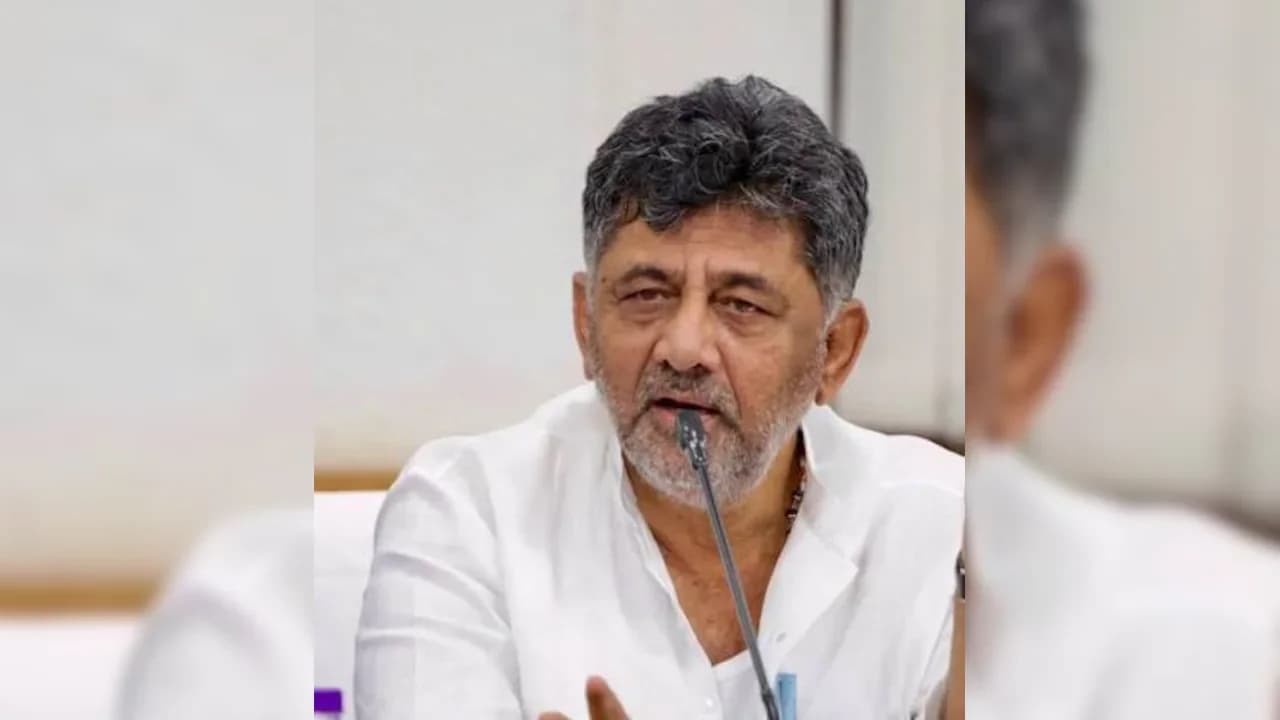
In another key decision, the Cabinet, at a meeting chaired by Chief Minister D.K. Shivakumar, approved procurement and installation of advanced equipment to strengthen the state's prison system through modern technology. The move follows the recent seizure of a mobile phone from the prison cell of former MP Prajwal Revanna, who has been convicted in a sexual assault case. As reported by ANI, Home Minister Priyank Kharge confirmed that the proposal includes installation of AI-based surveillance cameras, portable signal jammers and a centralised prisoner calling system, among other tools. The initiative aims to address security concerns and prevent future incidents of contraband smuggling into prison facilities.
The Cabinet also decided to release 28 convicts on the grounds of good conduct and discussed reforms for the Greater Bengaluru Authority (GBA). According to ANI, these decisions were made during the Cabinet meeting chaired by Chief Minister D.K. Shivakumar. The convict release initiative demonstrates the government's commitment to prison reform and rehabilitation efforts, while the GBA reforms indicate ongoing efforts to improve urban governance in Bengaluru.
The Cabinet approved the Karnataka Regulation of Use of Government Premises and Public Property Bill, 2026, which seeks to create a legal framework for the use of government premises and public property by private individuals, organisations, associations and societies. According to ANI, Home Minister Priyank Kharge stated that the Bill provides a legal framework to safeguard, preserve, and ensure the responsible utilisation of Government lands, buildings, playgrounds, parks, roads, and other public assets, preventing misuse while protecting them for public benefit and good. The legislation is intended to ensure accountability and prevent unauthorised use of public assets. According to officials, the Bill proposes clear guidelines and procedures for granting permission to use government properties for events, meetings or other activities, and lays down provisions for penalties in case of misuse or damage to public property. The government will table the Bill in the session of the legislature for discussion and passage.
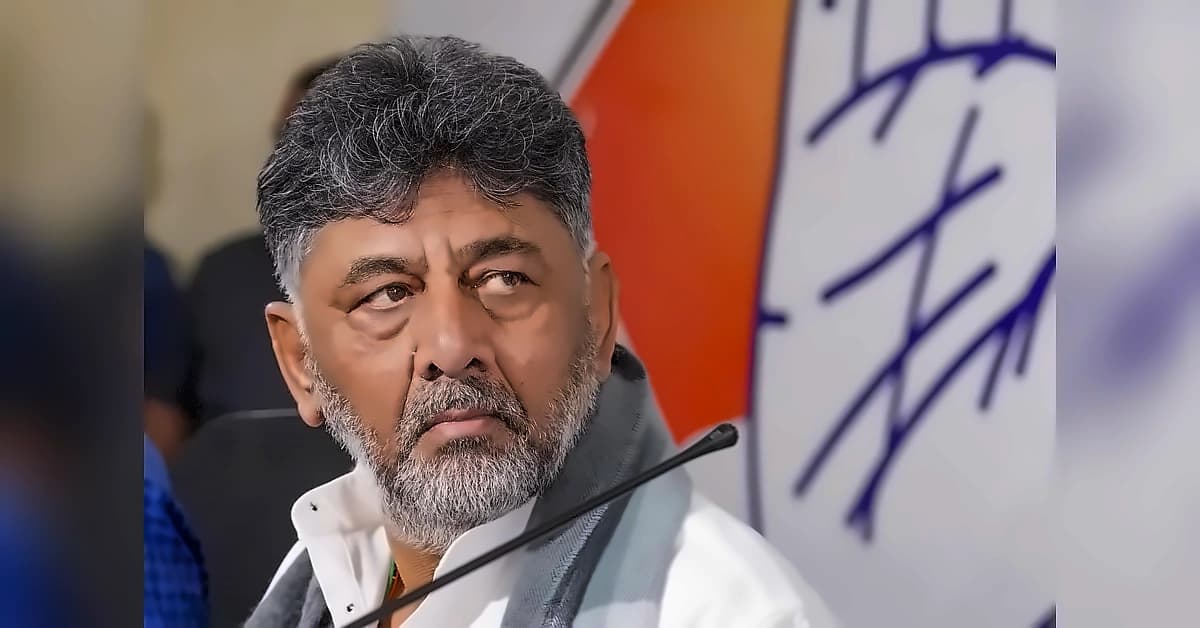
The passage of the three Bills took place as the BJP and JD(S) continued their protest against Nagendra, demanding his resignation over corruption charges against him. According to The Times of India, Speaker GS Patil proceeded with legislative business despite repeated slogans by Opposition members against the Congress government and Rahul Gandhi over Nagendra's return to the Cabinet. The Bharatiya Janata Party (BJP) and Janata Dal (Secular) continued their protest against Nagendra, with the Opposition alleging his involvement in the Maharshi Valmiki case. The government said the provisions were intended to ensure that private ownership disputes did not prevent local bodies from maintaining essential civic infrastructure. As reported by ETRealty, Minister Gowda noted that the laws enacted in 1972-73 do not contain adequate solutions for today's circumstances and the requirements of the present day, therefore they no longer provide sufficient solutions.