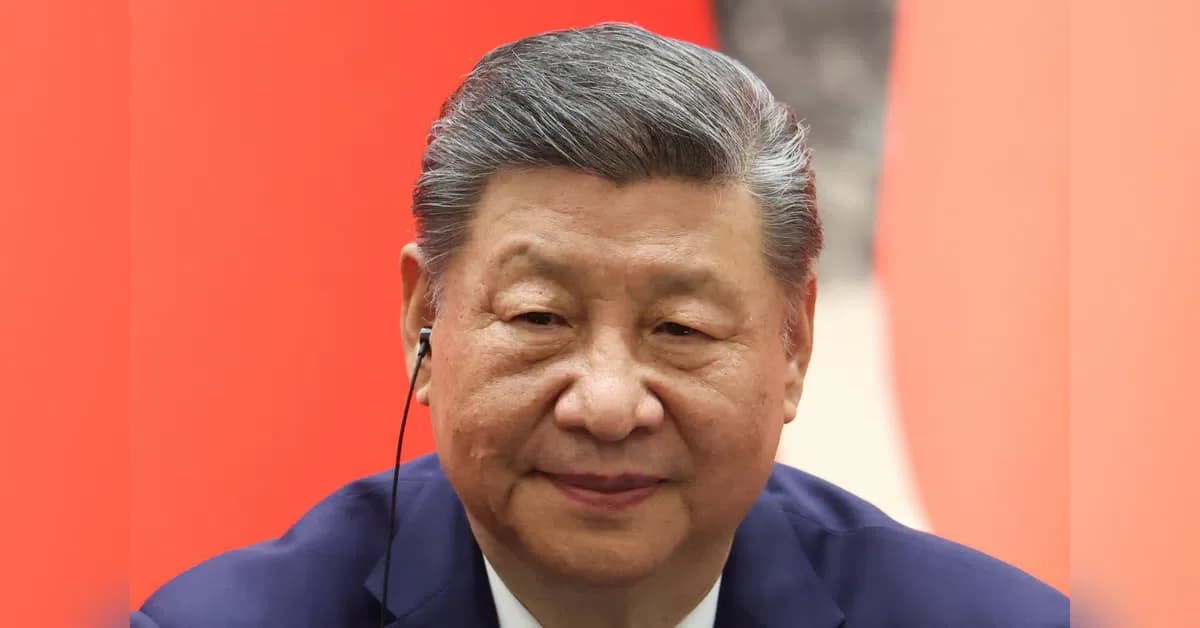
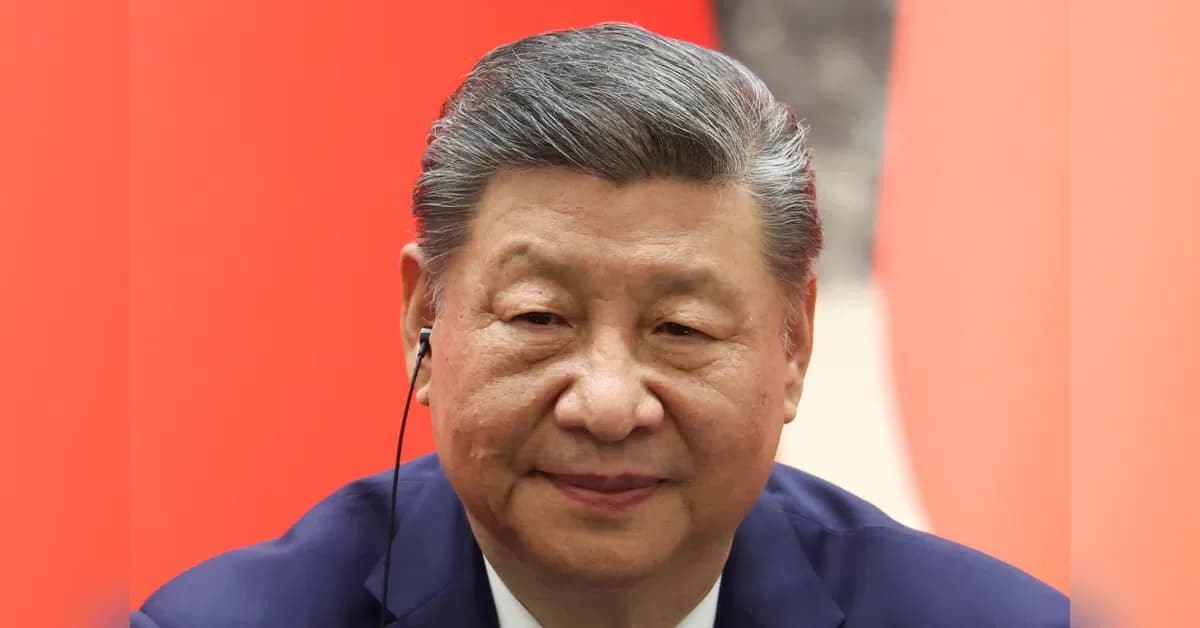
Chinese President Xi Jinping called on Middle Eastern nations to oppose external interference and consider reshaping the region's security order during his visit to Egypt on Wednesday. According to China's state news agency Xinhua, Xi said countries in the region should be 'masters of their own destiny' and explore a new regional 'security architecture'. The proposal comes as Beijing seeks to expand its influence amid the U.S.-Israel war against Iran, with Xi's first trip to the Middle East in a decade coinciding with regional partners reassessing their strategic relationships. As reported by Reuters, Xi was welcomed by President Abdel Fattah el-Sisi with a 21-gun salute at the Ittihadiya presidential palace in Cairo, emphasizing the diplomatic significance of the visit.
The talks between Xi and el-Sisi covered the six-month US-Israel war on Iran, with both presidents urging 'diplomatic solutions' to reach a 'comprehensive agreement to end the war', according to a statement from el-Sisi's spokesperson. The discussions highlight how regional powers are rethinking their defense strategies amid the ongoing conflict. As reported by AFP, Beijing is eyeing a greater foothold in the Middle East, at a time when 'the United States looks like it can't really make up its mind whether it wants to withdraw from the region or be more engaged'. The diplomatic campaign comes before an expected meeting between Xi and US President Donald Trump this month, with experts noting that China sees Egypt as a key partner and entry point to more regional influence.
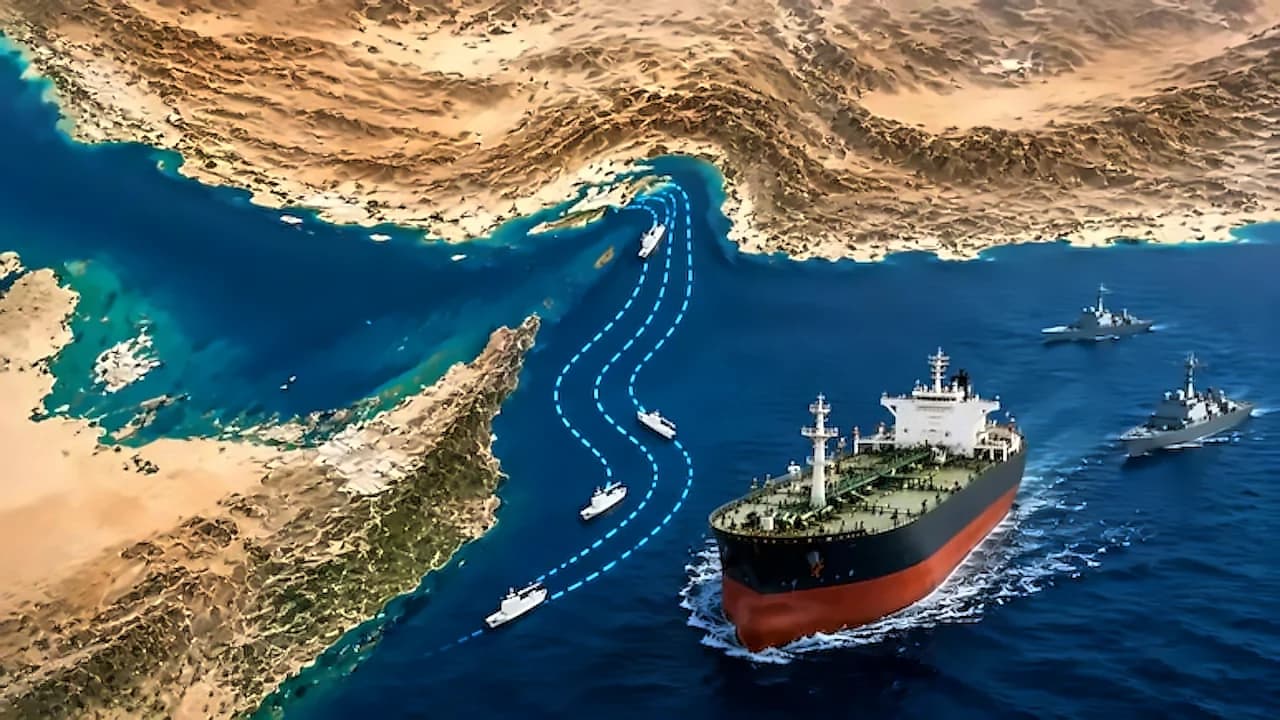
Egypt and China signed an agreement to launch the third phase of the Egyptian-Chinese industrial zone at the Suez Canal, which officials say already hosts 200 companies and investments worth approximately ₹3,200 crore. The new investments, for which Egypt has not announced a figure, give Beijing even greater influence in the canal zone, a critical artery of global trade, as conflict in the region chokes traffic in the Strait of Hormuz and Bab al-Mandeb Strait. According to Reuters, the two nations agreed to expand cooperation in data centers, semiconductors and critical metals supply chains and strengthen the use of each other's currencies in trade and investment. Chinese companies have invested billions in container ports, green hydrogen projects, and manufacturing facilities, with Egyptian authorities announcing plans to expand a Chinese-developed industrial area.
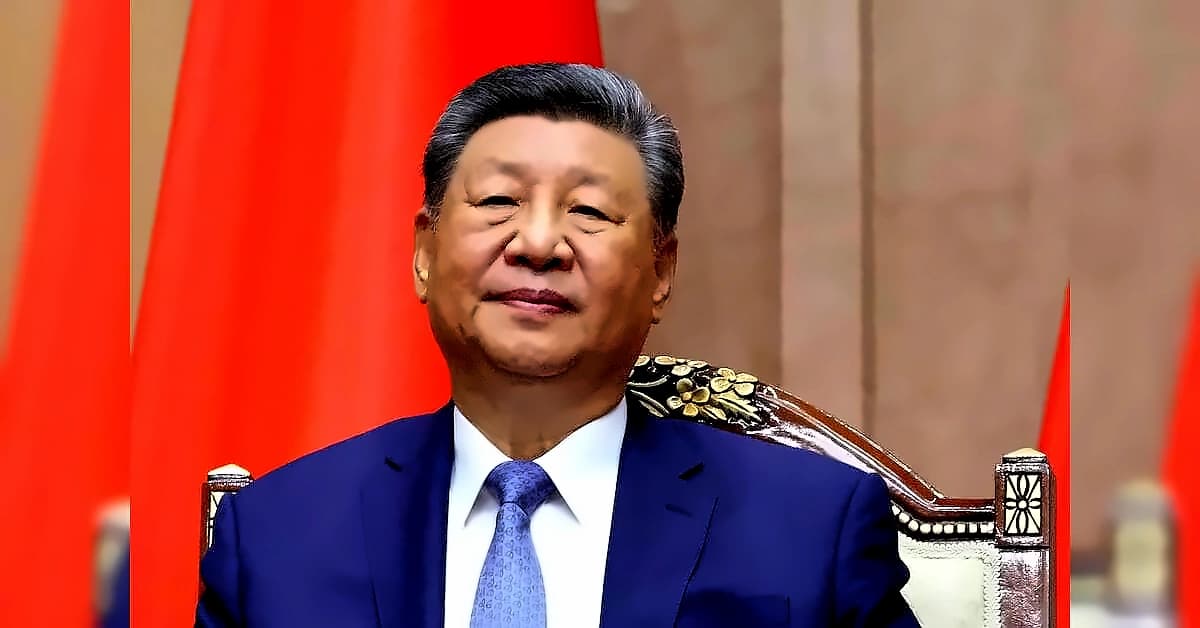
Xi announced that China is ready to work with regional countries to safeguard shipping routes and eliminate the breeding grounds for conflict. The shipping route protection initiative reflects China's growing interest in maintaining safe maritime corridors for global trade, with the disruption of these key shipping lanes highlighting their strategic importance to regional economies. Growing military ties were demonstrated during Egypt's recent 'Eagles of Civilization' exercises with China, which included a rare air combat drill involving Chinese-made J-16 jets and French-made Rafale aircraft. For China, Egypt's regional influence and strategic location make it an important partner as Beijing seeks a broader economic role and tries to chip away at U.S. influence in the region.
The visit comes after Saudi Arabia, Turkiye and Pakistan last month signed the Mecca Defence Alliance, which contains a NATO-style Article 5 clause and demonstrates regional countries' desire to diversify their security arrangements beyond Washington. Egypt, which receives around $1.3 billion annually in military aid from the U.S., has been steadily increasing economic and military cooperation with China in recent years. For Egypt, closer ties with China are part of a broader effort to diversify partnerships rather than align with a single power, with experts noting that the US-Israel war with Iran has led several regional allies to question the dependability of traditional US security guarantees.