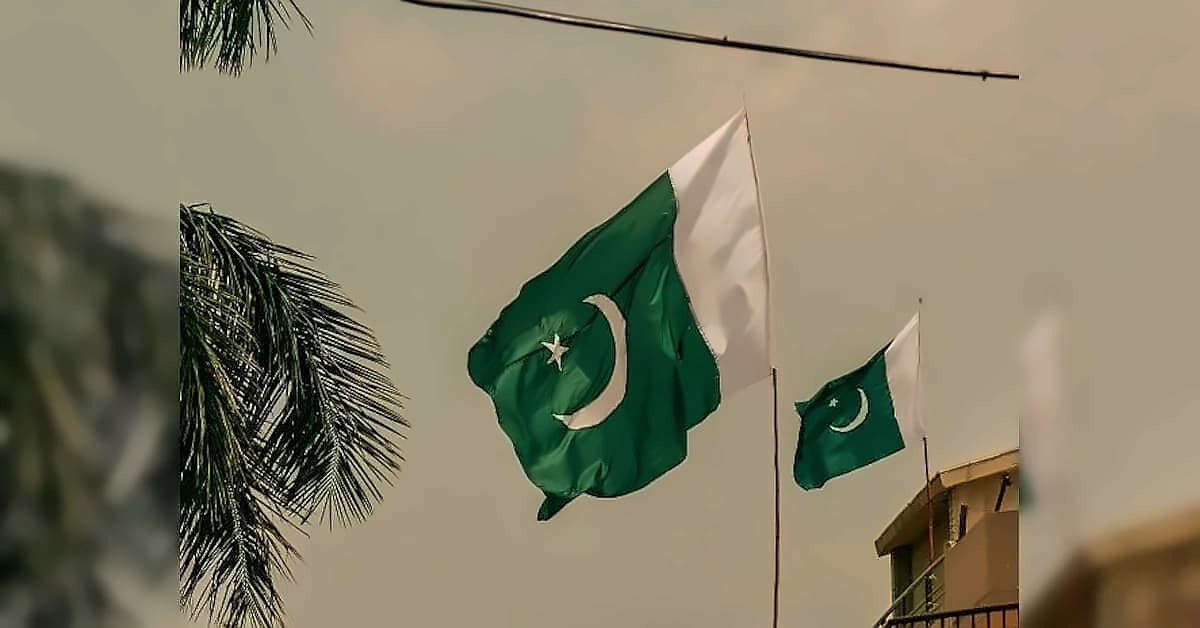
Turkey, Saudi Arabia, and Pakistan have successfully signed a joint defence agreement in Mecca on Friday, August 7, marking a historic milestone as the first in kind agreement connecting the three largest Muslim countries under one security umbrella. According to Reuters, the agreement was formalised during a joint ceremony involving Turkish President Recep Tayyip Erdogan, Saudi Crown Prince Mohammed bin Salman and Pakistani Prime Minister Shehbaz Sharif. The leaders issued a joint statement emphasising their shared determination to strengthen collective security, stating that an armed attack carried out against any one of the three states shall be considered an attack against all of them. The signing took place in Mecca rather than the previously reported Jeddah location, as confirmed by Reuters. The agreement is intended to strengthen collective deterrence against any act of aggression and stipulates that an armed attack against any of the three would be regarded as an attack on all, according to the joint statement. A Turkish official confirmed that the pact includes a collective defence clause and is purely defensive in nature, pledging mutual support only for defence, while noting it was not directed against any specific actor and was open to other regional countries.
The Ministry of External Affairs on Tuesday said India is examining the implications of the recently signed Mecca Joint Defence Agreement between Saudi Arabia, Pakistan and Türkiye, with a focus on national security as well as regional peace and stability, reported PTI. MEA spokesperson Randhir Jaiswal said India was closely tracking developments in West Asia amid the ongoing conflict and assessing the potential implications of the newly signed defence pact. "The agreement that was signed recently... we continue to closely follow developments in the West Asia conflict," Jaiswal said, responding to a question on the pact. He emphasised that India is examining this pact both from the perspective of our national security, as well as considerations of regional stability, peace and stability. Jaiswal further stressed that India remained committed to protecting its strategic interests and would take all necessary measures in this regard. The Mecca pact brings together three strategically important countries - Saudi Arabia, Pakistan and Türkiye - and has emerged against the backdrop of heightened tensions in West Asia. The agreement has been described as a framework for closer defence and security cooperation, with the arrangement drawing comparisons with collective-defence alliances.
The partnership brings together significant regional powers with distinct strategic positions. Türkiye is a member of the North Atlantic Treaty Organisation (Nato), while Saudi Arabia is a United States ally in the region and one of the world's top oil exporters and the Arab world's only G20 economy. Pakistan is the Muslim-world's only nuclear-armed state and historically close to both Saudi Arabia and Turkey. An existing Strategic Mutual Defence Agreement was signed between Saudi Arabia and Pakistan in September 2025, which treats an attack on either as an attack on both and encompasses 'all military means', according to a Saudi official previously told Reuters. The agreement also provides for development of defence cooperation among the three states in all its dimensions. The pact does not abrogate or replace any existing bilateral or multilateral agreements between these states or with other states and organisations, as confirmed by Turkish officials. The pact comes amid a wider regional conflict involving Iran, Israel, the United States and Iran-backed groups, with Gulf states also facing security and energy threats.
The agreement comes as the security environment across West Asia has worsened following the US-Iran military campaign against Iran and Iranian retaliation against targets across the Gulf. According to Reuters, Iran and its allies have been firing on Saudi Arabia and other Gulf states, and blockading their energy shipments, since the U.S. and Israel attacked it on February 28 in a major escalation after years of regional tumult. The conflict has also disrupted shipping across the Strait of Hormuz, raising concerns over energy security and vulnerability of the Gulf states. Saudi analysts have previously said that Riyadh could activate the defence pact it currently has with Pakistan should it enter the Iran war. The Middle East has been in flames for nearly three years since the October 7, 2023 Hamas attack on Israel, with nearly every country in the region experiencing cross-border attacks or missile or drone fire. Tehran has attacked U.S. bases and civilian infrastructure in Saudi Arabia, Kuwait, Bahrain, Qatar, the United Arab Emirates, Oman, Jordan and Israel, while Israel has waged war in Gaza, invaded southern Lebanon and seized territory in Syria as well as launching two air campaigns against Iran.
The defence pact comes amid intensifying conflict in Yemen, where Iran-backed Houthis killed at least 58 government troops in missile and drone attacks on Thursday, according to military sources. Yemen's Houthi rebels targeted the Saudi-backed and internationally recognised Yemeni government, with attacks hitting military bases in the Marib and Hadramawt provinces. Houthi military spokesman Yahya Saree said the rebels attacked government positions with ballistic missiles and drones in response to an alleged military buildup backed by neighbouring Saudi Arabia. The attacks represent one of the deadliest days in Yemen's civil war in four years. Additionally, Houthi missile attacks killed at least 30 government troops and wounded at least 50 others in central and eastern Yemen, with a Houthi leader claiming that "hundreds" were either killed or injured. The conflict has drawn Yemen into the broader Middle East war, with the Houthis upending a 2022 truce with the Saudi-backed government last month.
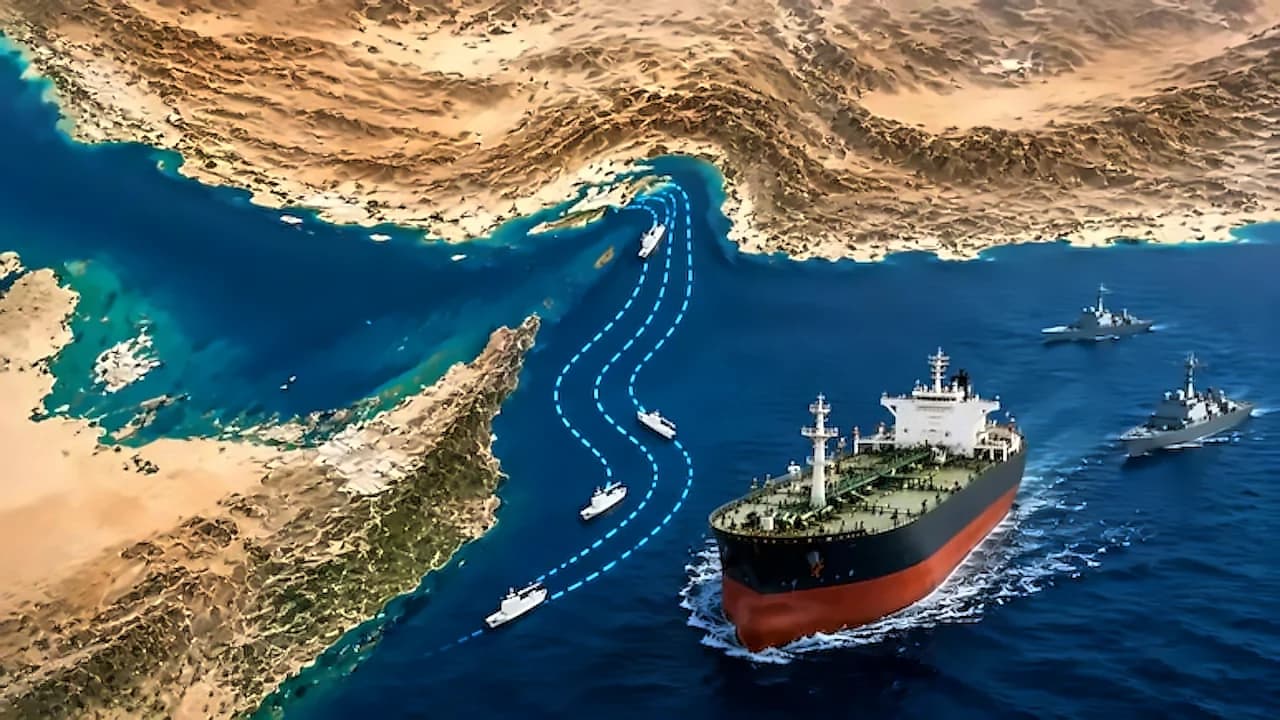
The defence pact coincides with significant developments regarding the Strait of Hormuz, one of the world's most important energy chokepoints. According to Reuters, US officials expect Iran and Oman to reach an agreement soon that could lead the way for normal commercial shipping to resume through the Strait of Hormuz. A US official stated that discussions between Tehran and Muscat over the strategic waterway had made progress and that a deal could be announced soon. "There is progress between Oman and Iran on the strait, and we expect a deal soon," the official told Reuters on Friday. "Once the deal is announced to restore commercial shipping without impediments, the United States will lift the blockade of Iranian ports." The official added that any further US action would depend on Iran fulfilling its commitments, stating "As always, US actions will continue to be performance-based and tied to Iran's implementation of its commitments." Before the US and Israel launched their war against Iran, roughly one in every five barrels of oil consumed globally passed through the Strait of Hormuz. The disruption has therefore had major consequences for global energy markets, with reduced oil shipments pushing energy prices higher and contributing to inflationary pressures. The waterway connects the Persian Gulf with the Gulf of Oman and the wider Indian Ocean, making it one of the world's most important energy chokepoints.