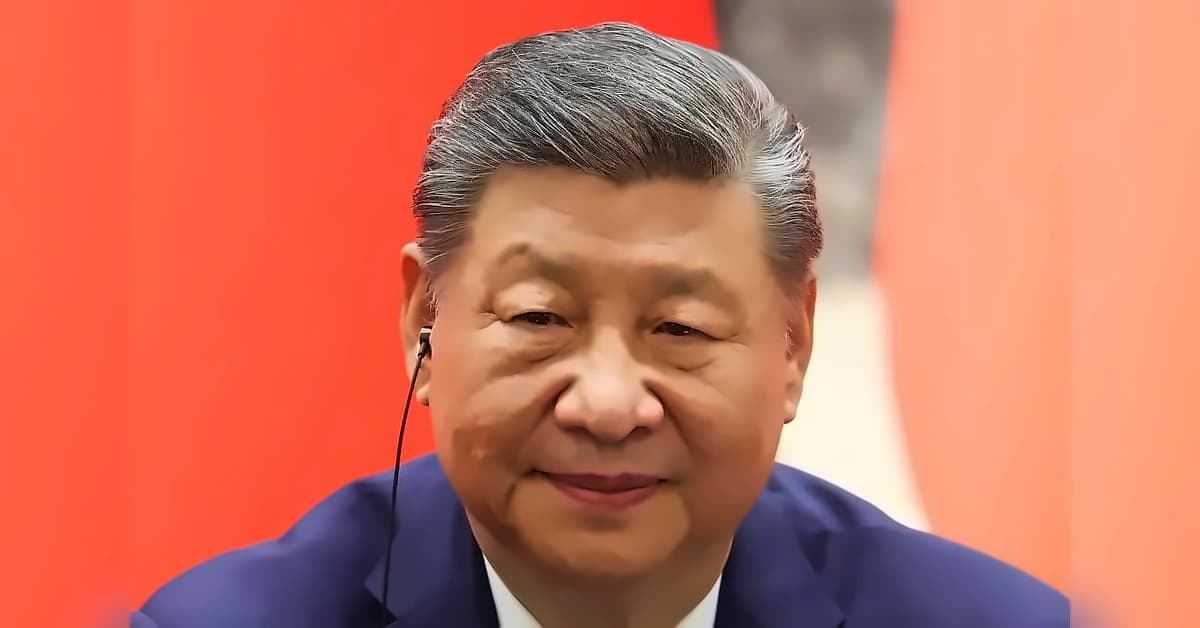
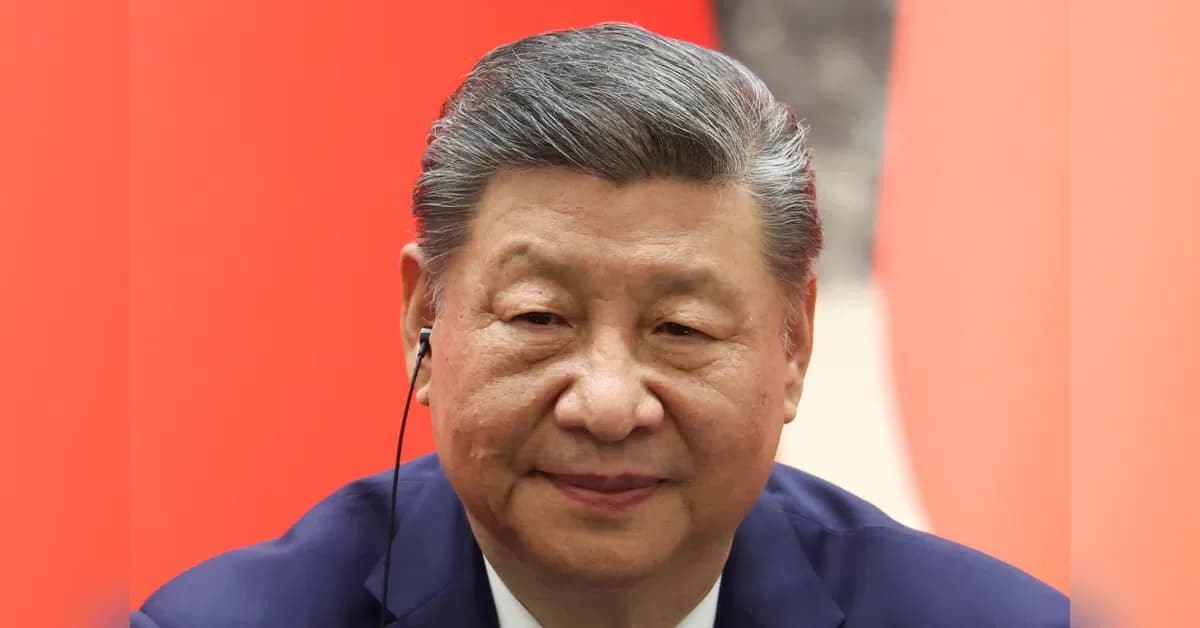
Chinese President Xi Jinping met visiting Bangladesh Prime Minister Tarique Rahman on Friday at the Great Hall of the People in Beijing, marking the final day of Rahman's three-day visit. According to reports from Xinhua news agency, Xi offered Beijing's support for the new government in Dhaka, stating that China supports Bangladesh's new government in its smooth administration. The meeting came after Rahman had earlier met with Zhao Leji, Chairman of the Standing Committee of the National People's Congress of China, to discuss bilateral ties. Rahman emphasized that developing relations with China is a priority of Dhaka's foreign policy and that his government firmly adheres to the one-China principle and opposes any form of "Taiwan independence," as reported by Xinhua.
Before meeting Xi, Rahman had held talks with Chinese Premier Li Qiang on Thursday, after which they signed 13 agreements covering various sectors. As reported by Xinhua news agency, Xi told Rahman that China is willing to map out key cooperation with Bangladesh and tap into the potential for collaboration in green and low-carbon development, digital economy, information technology, artificial intelligence and other fields. Premier Li called for a closer partnership focused on long-term economic cooperation, sustainable growth and mutual prosperity between Beijing and Dhaka, according to Bangladesh Sangbad Sangstha. The agreements encompass multiple areas of bilateral cooperation between the two nations, with discussions covering increasing Bangladesh's export capacity to expand exports to China, development cooperation, and concessional Chinese loans, as confirmed by Mahdi Amin, spokesperson for the Bangladeshi prime minister's office. According to Prothom Alo, the 13 agreements signed on Thursday cover areas such as investment cooperation, trade expansion, human resource development, education, health and media collaboration, with MoUs also signed under the framework of the Global Development Initiative covering cooperation in health, education, manpower capacity building, and other development-related areas.
The two countries agreed to strengthen cooperation on the management of the Teesta and other rivers, following a separate meeting on Thursday between Rahman and Chinese Water Resources Minister Li Guoying. According to Bangladesh Sangbad Sangstha, this cooperation framework addresses water resource management challenges that are crucial for both countries' development objectives. China has submitted a comprehensive proposal for the Teesta River Comprehensive Management and Restoration Project, which would include dredging of more than 100 km of the river to allow better management of the river's water and prevent erosion. The proposal also envisages creating large reservoirs to store water in monsoon months so that the stored water could be used in winter months, alongside creating townships and economic hubs in areas that would be reclaimed from the riverbed for economic activities. As reported by Prothom Alo, this is a significant development as Teesta has been a matter of contention between India and Bangladesh as Dhaka has been demanding formal sealing of a deal that would allow it secure the necessary amount of water from the river for its lean winter months. The deal was previously held back due to perceived objections from former West Bengal Chief Minister Mamata Banerjee, but following her recent election defeat, the Teesta deal is expected to find greater support from the Indian side.
During his meeting with Xi, Rahman urged China to reduce the trade gap and diversify exports, specifically requesting Beijing to consider importing fresh mangoes, jackfruits, guava, seafood, raw leather, jute products, and pharmaceutical drugs. According to Xinhua news agency, Rahman told Xi that to reduce the trade deficit, Bangladesh could help diversify exports to the country. China is ready to expand trade and economic engagement: increasing imports of quality Bangladeshi products, supporting investments by Chinese companies in the country, and expanding cooperation in the fields of new energy, digital economy, and artificial intelligence, as confirmed by official sources. The visit represents Rahman's first trip to China since becoming prime minister in February, with Dhaka aiming to deepen cooperation with China, one of its largest trading partners and sources of development finance. Bangladesh needs China's support in "implementing our major signature projects and upgrading and modernisation of our existing industrial units," Rahman added, as reported by Reuters.
According to the World Bank, Bangladesh's debt to China stands at $6.2 billion, while the Asian Infrastructure Investment Bank (AIIB) has pledged to provide another $2.3 billion. Meanwhile, Chinese companies invested an additional $7.7 billion, with a significant share in Bangladesh's energy sector, according to the AEI analytical center. The visit has combined talks on trade, investment and loans with cooperation on the Teesta and other river projects, alongside political engagement between the two sides. China has become more cautious about financing, said Chim Lee, senior analyst at the Economist Intelligence Unit in Beijing. "Not least because it tends to be looking for key logistics corridors these days that can be scaled up, and Bangladesh is a bit tricky because it just doesn't provide the same kind of corridor as say Central Asia or Myanmar," Lee explained to Reuters. Looking ahead, both countries continue to seek mutually beneficial forms of cooperation, confirming that economic interests remain the driving force behind bilateral relations.