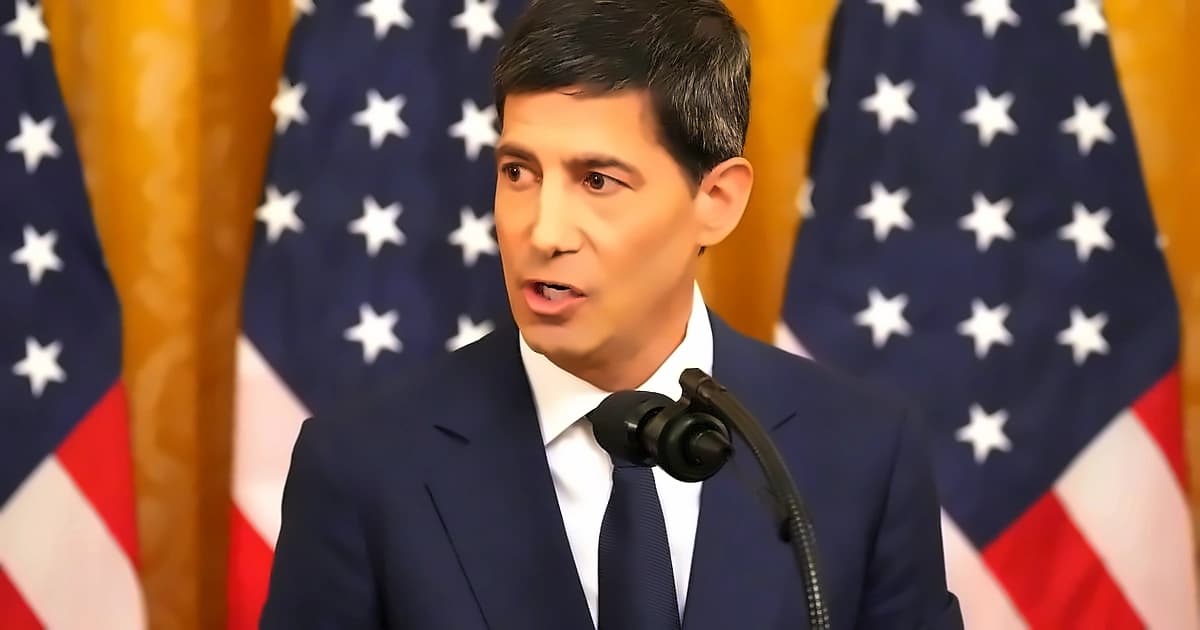
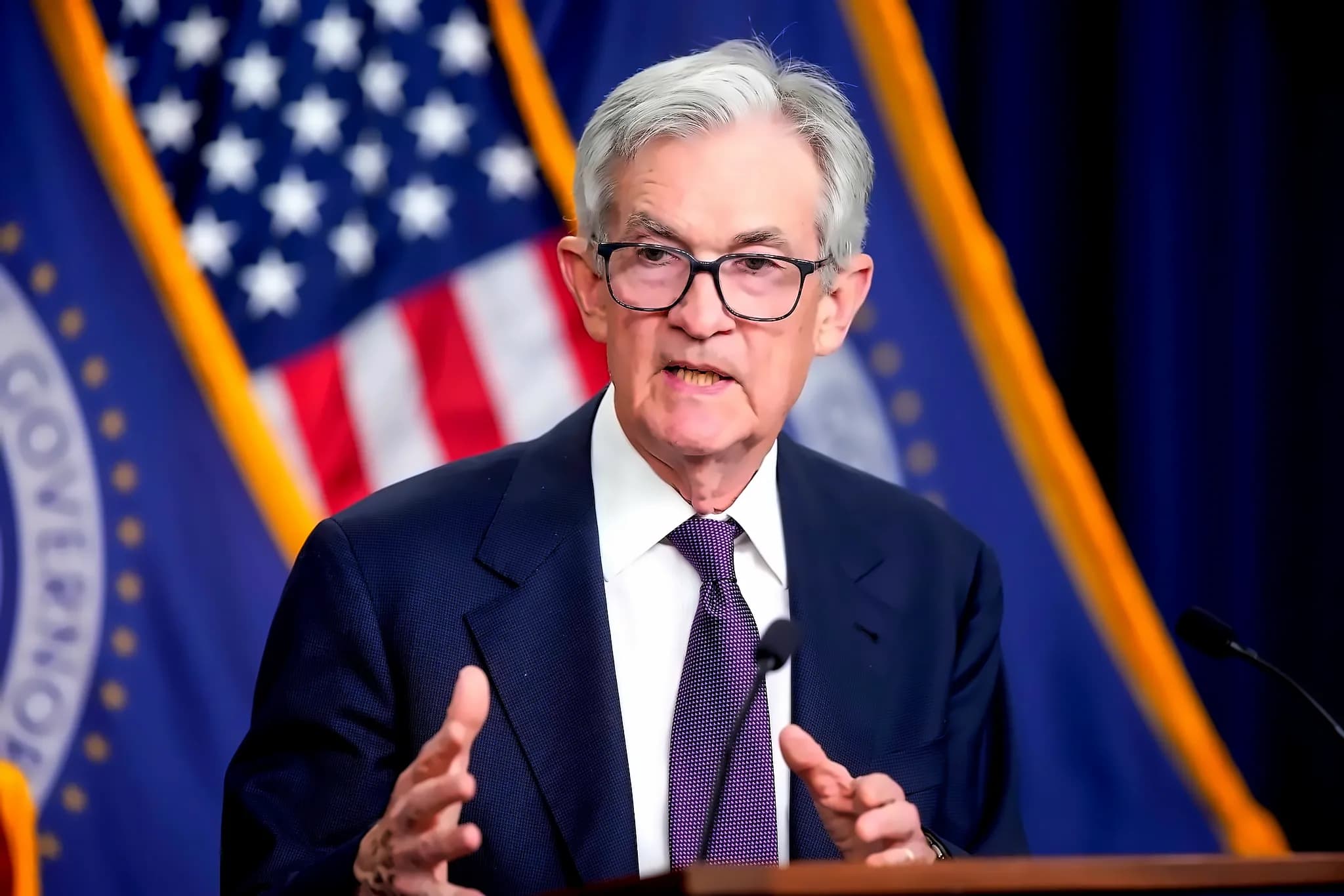
Kevin Warsh has been officially sworn in as U.S. Federal Reserve chair at a White House ceremony hosted by President Donald Trump on Friday, according to Fox Business citing a White House official. The 56-year-old lawyer and financier takes the leadership baton from Fed Chair Jerome Powell as the U.S. central bank grapples with intensifying inflation that may make it hard to push through the interest-rate cuts that President Trump has demanded. Warsh's leadership comes at a critical time as the Fed navigates persistent inflation and pressure over interest rate cuts, marking a shift from the Powell era. Warsh, Trump's pick for Fed chair, presumably brings a fresh start in relations between the Oval Office and the central bank after eight years of friction with the White House, a global pandemic, and the fight with high inflation.
The latest bond selloff came on the back of a climb in oil prices on Monday, with Brent crude futures at $111 a barrel, as efforts to end the Iran war appeared to have stalled following a drone strike at a nuclear power plant in the United Arab Emirates, according to Reuters. As the Trump-Xi meeting did little to raise hopes for a coordinated U.S.-China effort to pressure Iran into reopening the Strait of Hormuz, the combination of a persistent oil supply shock, increasing inflation rates and still-resilient demand became a recipe for higher interest rates, said analysts at Barclays. Investors are beginning to fret about the economic fallout from the conflict as inflationary pressures mount and what that would mean for the global interest rate outlook, with the 'higher for longer' story coming back, even if actual rate hikes are still not the base case, said Saxo's chief investment strategist Charu Chanana. Monday's rout followed a steep selloff from last week, as investors were spooked by a recent raft of hotter-than-expected inflation figures globally, particularly in the United States.
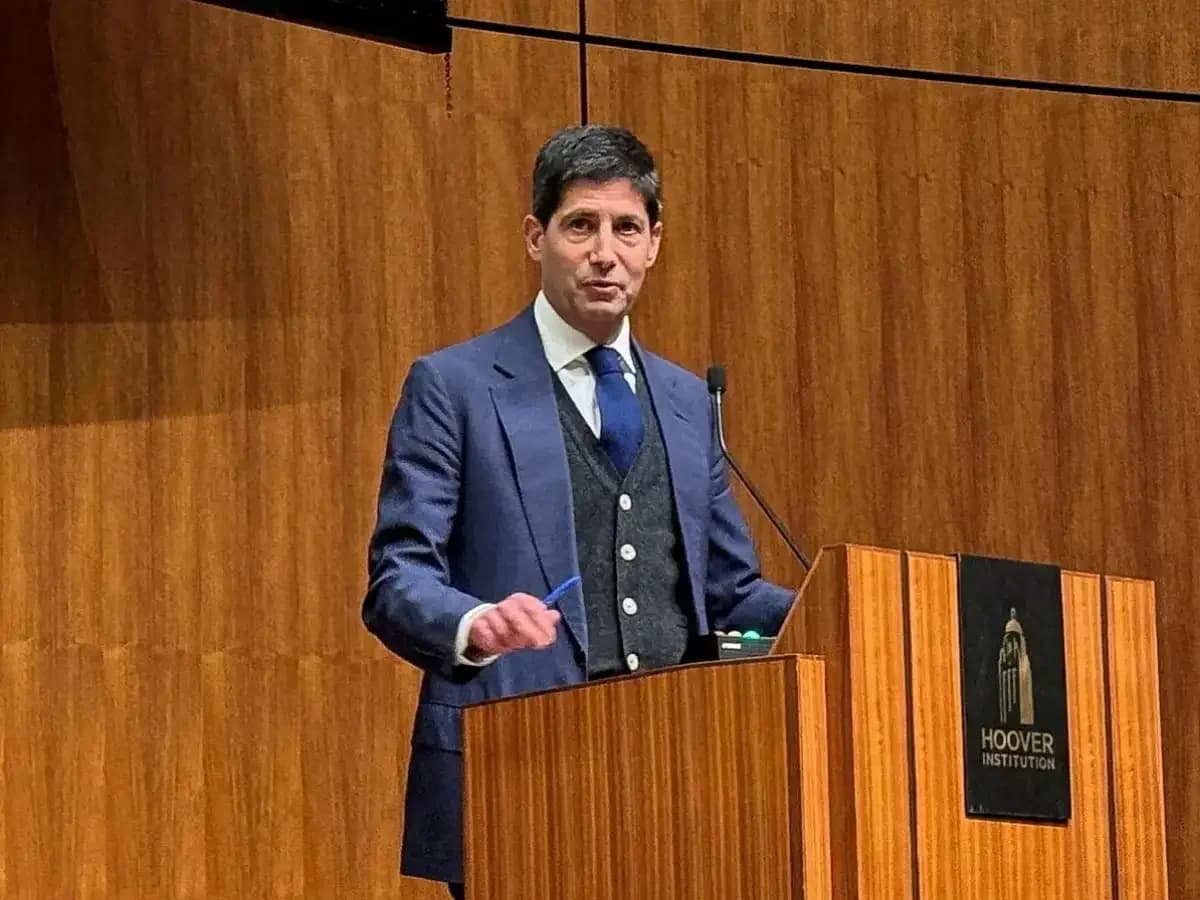
Commercial real estate lenders and investors are closely monitoring Warsh's approach to interest rates, bank capital requirements, and liquidity standards that directly affect commercial property lending, according to Commercial Observer. The leadership change arrives as office distress, refinancing pressure, and tighter credit conditions continue to weigh on commercial real estate markets. Office properties remain the biggest pressure point, with office delinquency and special servicing rates continuing to climb as hybrid work weakens valuations in several major markets, per MSCI Real Assets' April 2026 distress tracker. Regional banks — traditionally a key source of CRE credit — remain cautious after heightened regulatory scrutiny, leading to softer commercial loan demand and tighter underwriting standards across the banking sector. Roughly $957 billion in commercial and multifamily mortgages are set to mature this year, forcing borrowers to refinance into materially higher rates than loans originated before 2022.
US inflation figures released earlier this week showed consumer prices rose 3.8% from April 2025 as the 10-week Iran war pushed energy costs higher and distanced inflation from the Federal Reserve's 2% target, according to euronews. Data last week showed U.S. consumer and producer prices surged in April, with similar readings seen in China, Germany and Japan, reinforcing expectations that the central bank may struggle to ease monetary policy quickly. Bank of America analysts said the market narrative has shifted from fears of stagflation toward expectations of reflation, driven by rising inflation, strong consumer spending and robust corporate earnings. The European Central Bank is seen hiking as early as next month and the Bank of England about twice this year, as reported by Reuters. Producer price data also pointed to persistent underlying cost pressures across the economy, suggesting price increases are spreading more widely through the economy.
The Federal Reserve currently holds around $6.7 trillion in assets, down from a peak near $9 trillion reached in 2022 during the aftermath of the COVID-19 pandemic. As reported by Reuters, the balance sheet is still expanding modestly to maintain adequate liquidity within the banking system. However, economists warn that reducing the Fed's footprint may expose structural weaknesses in the Treasury market. Warsh faces mounting political pressure from the White House to lower borrowing costs, despite emphasizing Fed independence during his confirmation hearings. Powell said following the Fed's April 29 meeting that he plans to remain at the central bank as a governor through at least part of his term, which runs until January 2028, citing an ongoing federal investigation tied to renovations at the Fed's Washington, DC, headquarters as a reason for remaining in a limited role.
Warsh, who was confirmed by the Senate in a 54-45 vote, has long advocated for a more traditional central banking framework with reduced intervention in financial markets. According to Reuters, Warsh has repeatedly criticised the Fed's reliance on large-scale asset purchases and emergency liquidity measures during crises, arguing that they distort market functioning and dilute the Fed's inflation-fighting credibility. Warsh's approach could carry outsized implications for sectors already under stress, including office, transitional multifamily, and construction lending, according to CBRE's 2026 US Market Outlook. The market will closely watch Warsh's first Federal Open Market Committee meetings for clues about the Fed's path on rate cuts through the second half of 2026, with investors and lenders also monitoring whether the Fed revisits proposed bank capital requirements that many CRE trade groups argue could limit credit availability. Warsh's historic balance sheet reversal strategy could have far-reaching implications for all asset classes, as the Fed's massive bond holdings have been a cornerstone of global financial markets for over a decade.