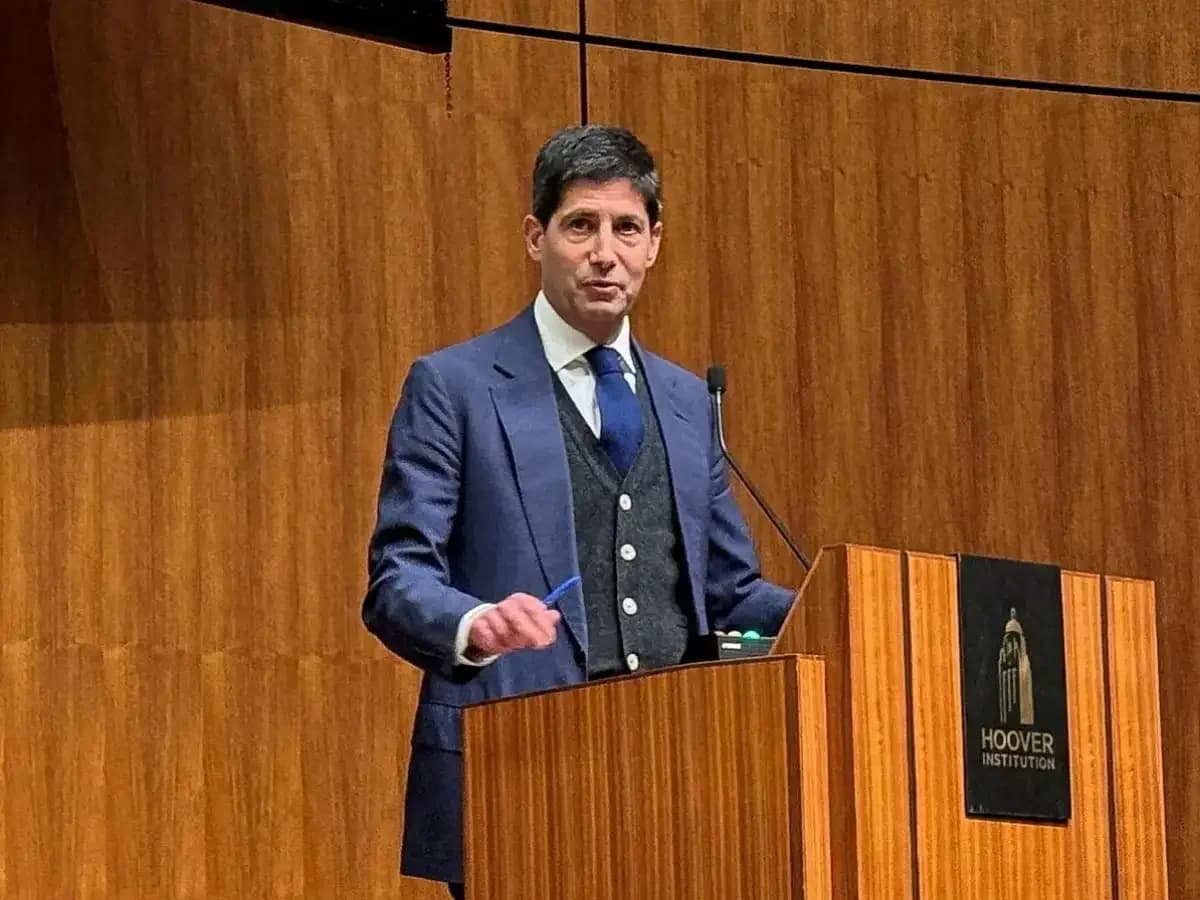
Kevin Warsh has officially been sworn in as the new Federal Reserve chair on Friday at the White House, marking a significant shift in US monetary policy leadership. According to reports, Warsh was confirmed by the Senate 54-45 on May 13 and replaces Jerome Powell at the world's most powerful central bank. President Trump praised Warsh during the ceremony, stating "I expect he will go down as one of the truly great chairmen of the Federal Reserve that we've ever had," citing his unique abilities and broad territorial knowledge. The swearing-in ceremony concluded a nomination process that began in January 2026, with Warsh stepping into the four-year role at a time of mounting uncertainty over inflation, geopolitical conflicts and volatile financial markets.
Warsh now faces significant economic pressures as he takes charge of an economy under strain from multiple fronts. Oil shocks have sharply pushed up gasoline prices, mortgage rates have climbed to their highest level in nine months and overall inflation has surged to the highest level in three years. The US consumer has remained surprisingly resilient, continuing to spend despite higher prices, but affordability concerns have left many Americans unhappy about the economy. Consumer sentiment is at an all-time low: Americans feel worse now than they did during wars, 9/11, the Great Recession, the Covid-19 pandemic and the inflation surge afterward. This leaves Warsh facing a sharper balancing act and puts him under immediate pressure to signal how the Fed will respond to the tension in the US economy.
Warsh brings significant crypto credentials to his new role, holding more than $100 million in personal crypto investments spanning over 30 digital asset projects. According to reports, these investments range from Bitcoin to decentralized exchange dYdX. Warsh has publicly stated that Bitcoin "does not make him nervous" and has advocated for treating digital assets as legitimate financial infrastructure. For an institution that spent years treating crypto like contraband, this represents a fundamental regime change in the Fed's approach to digital assets. His crypto-native perspective is particularly relevant as the Fed navigates the intersection of traditional finance and emerging digital asset markets.
Warsh has outlined his vision for transforming Fed operations during his brief remarks after being sworn in. "I will lead a reform-oriented Federal Reserve, learning from past successes and mistakes, both escaping static frameworks and models and upholding clear standards of integrity and performance," he stated. Hand-picked by Trump in January when expectations pointed to stabilizing growth and cooler inflation, Warsh now takes the reins of an economy that is shifting under the weight of the US-Israeli war with Iran. The oil shock has created additional complexity for monetary policy, requiring careful consideration of both inflation pressures and economic stability.