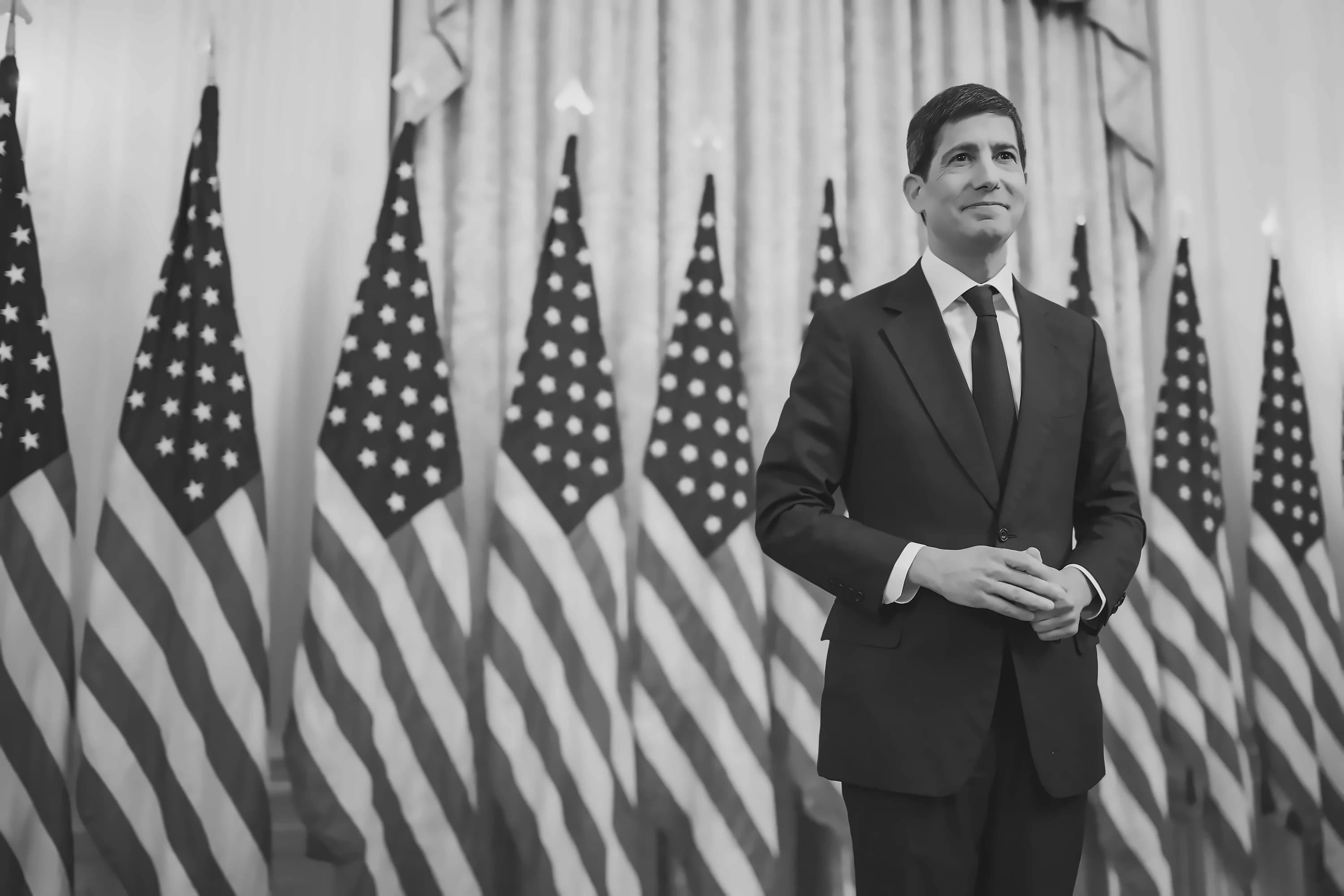
Fed Chair Kevin Warsh delivered what bond traders have been waiting to hear all summer at the ECB conference in Sintra - inflation looks like it has peaked. As reported by CNBC's Morning Call Sheet, Warsh said inflation itself is coming down with oil prices, noting that oil prices are back to almost exactly where they were in the first week of March. This represents a significant shift from the Fed Funds upper bound of 3.75%, unchanged since December, and provides a green light for the second-half rally thesis. The oil piece matters critically, as gas prices have fallen for eight straight weeks from $4.50 in mid-May to $3.83 as of June 29, representing a 14.4% monthly drop that feeds directly into inflation psychology before showing up in Core PCE prints.
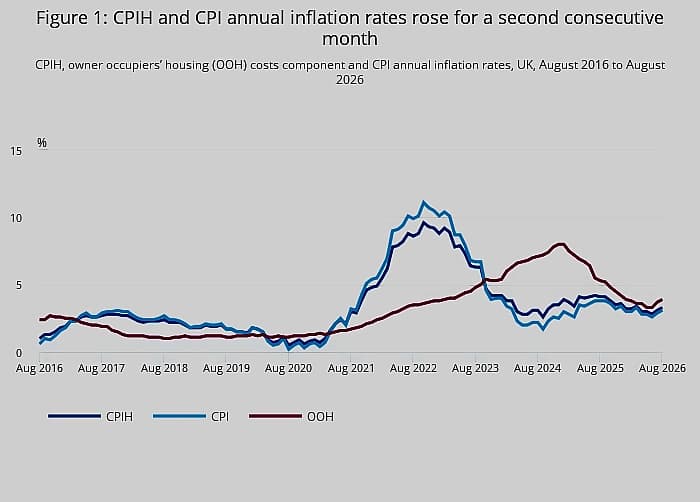
The Federal Reserve's preferred inflation gauge rose to a new three-year high in May, according to the latest Commerce Department data. Consumer prices rose 4.1% in May from a year earlier, marking the largest annual increase since April 2023. On a monthly basis, inflation was 0.4% last month, matching April's increase and down from 0.7% in March. The increase was largely driven by more expensive gas, as well as pricier semiconductors and other computer equipment in high demand for the AI buildout. Core prices rose 3.4% in May compared with a year earlier, up from 3.3% in April and the largest increase since October 2023. As reported by Associated Press, rising prices have caused the inflation-fighters at the Federal Reserve to keep their key rate unchanged this year, a reversal from January when they had penciled in two cuts.
According to market analysis from Investing.com India, wage growth has consistently led inflation cycles since 1985, with wage growth peaking 50 months ago and now showing signs of compression. The analysis reveals that after three decades of observation, wage growth leads CPI peaks by 3 to 17 months in every single cycle since 1985. This inversion from the pre-1985 pattern, where CPI ran first and wages followed, represents a fundamental shift in how inflation transmission works in the modern economy. The latest data shows wage growth at 3.56% in May 2026, marking the lowest reading of the entire current cycle and representing a significant shift from the 1-1.5% range through most of 2024.
As reported by Investing.com India, the correlation between real wage growth and CPI change over the following 24 months shows an exceptionally strong relationship of +0.72 across 713 monthly observations from January 1965 through May 2024. Real wage growth, calculated as nominal wage growth minus CPI inflation, measures whether workers are gaining or losing purchasing power in real terms. When real wages compress to negative levels, CPI decelerates within 12-24 months, while positive real wage growth sustains demand and allows inflation to continue running. The latest analysis confirms this relationship holds consistently across both pre-1985 and post-1985 cycles, with the +0.72 correlation representing an extraordinarily strong relationship in macro data where values above 0.5 are rare.
As reported by Associated Press, some economists now forecast the central bank could lift rates this year instead of cutting them, with underlying inflation closer to 3% rather than 2%. Mark Vitner, chief economist at Piedmont Crescent Capital, noted that "it does suggest to me that the next Fed move, whenever it comes, is more likely to be a hike than a cut." The Fed probably won't raise rates until next year, he added. The latest developments with Warsh's confirmation that inflation has peaked, combined with gas prices falling for eight straight weeks and University of Michigan inflation expectations at 44.8 in May, indicate real disinflation optimism is taking hold in markets. The 10-year breakeven inflation rate sits near 2.4% and Cleveland Fed's 5-year forward rate expectations are near 2.5%, indicating little risk of long-run inflation expectations de-anchoring.