The Bank of England is widely expected to leave interest rates unchanged at 3.75% for a sixth consecutive meeting, despite UK inflation rising to a five-month high of 3.1% in August 2026. According to The Economic Times, the Monetary Policy Committee voted 6-3 to maintain the central bank's benchmark rate, with three members pushing for a rate hike to 4% - in line with economists' median forecast in a Reuters poll. The central bank is likely to seek further evidence on whether higher inflation is translating into sustained increases in domestic prices and wages. Governor Andrew Bailey warned explicitly that prolonged conflict in the Middle East may require tighter policy, with the BoE predicting British inflation will top 4% early next year. Financial markets are pricing in the possibility of another interest-rate increase at one of the Bank of England's next two meetings, scheduled for November and December, as reported by The Economic Times.
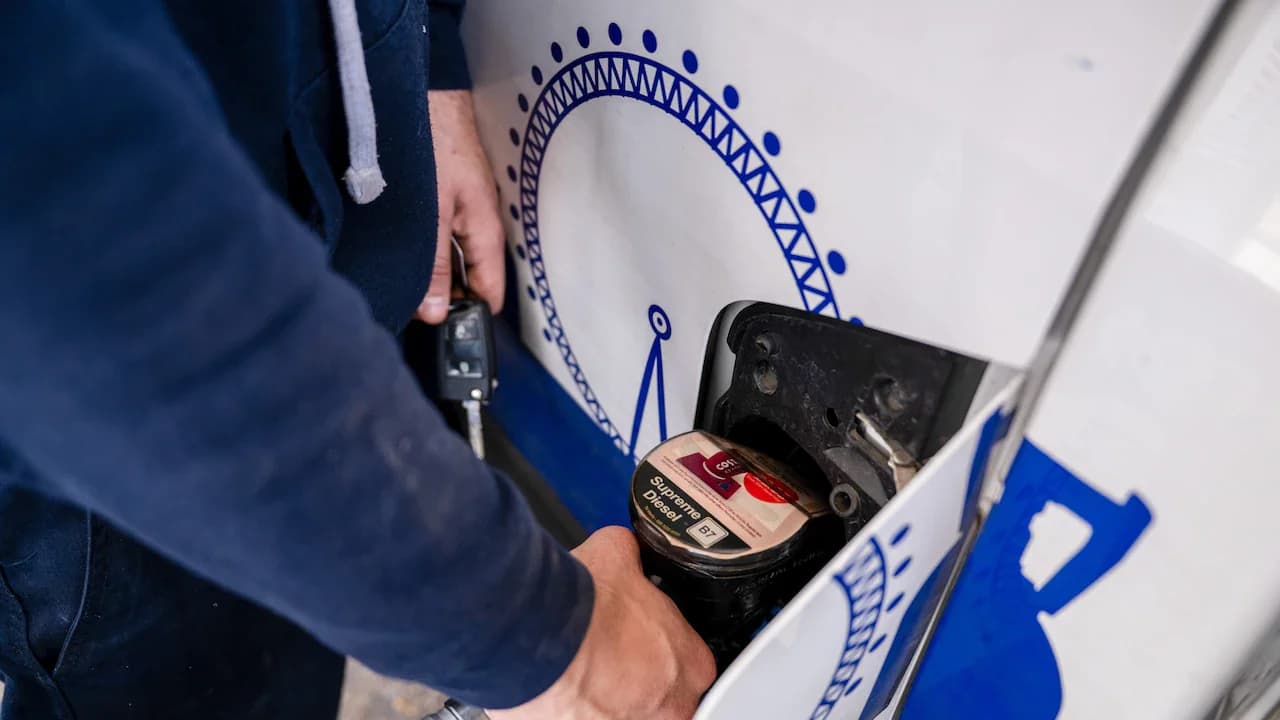
Transport emerged as the primary driver of August's inflation acceleration, with motor fuels making the largest upward contribution to both CPIH and CPI annual rates. According to the latest ONS data, prices in the transport division rose overall by 4.6% in the 12 months to August 2026, up from 3.6% the previous month. On a monthly basis, transport prices rose by 1.5% in August 2026, compared with a rise of 0.4% a year ago. The average price of petrol rose by 9.1 pence per litre between July and August 2026, compared with a rise of 0.3 pence per litre between July and August 2025, reaching ₹161.3 per litre in August 2026 - the highest price recorded since November 2022. Diesel prices rose by 14.2 pence per litre in August 2026, compared with a rise of 0.8 pence per litre in August 2025, with the average price standing at ₹181.8 per litre. As per Investing.com, motor fuel prices rose 23.0% in the year to August, up from 15.5% in July, while air fares rose 6.2% between July and August, driven by long-haul routes. According to the RAC, the cost of filling a family car with fuel had risen by almost £5 since the start of September, with average UK forecourt prices reaching 170.54p a litre for petrol and diesel climbing to 192.86p.
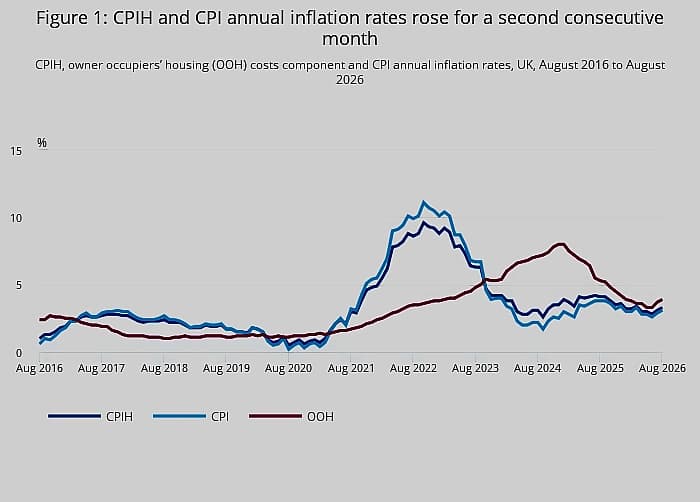
The inflation surge is being driven by higher fuel and energy costs linked to the Iran conflict, which has triggered a sharp increase in oil and gas prices. According to The Economic Times, the conflict triggered a sharp increase in oil and gas prices, with the disruption around the Strait of Hormuz adding to concerns over energy supplies. Higher energy costs have increased the risk that imported inflation could feed into broader consumer prices. Governor Bailey noted that so far, higher global energy costs have had a limited effect on price- and wage-setting in the UK, but the longer this volatility persists, the bigger the impact it will have on inflation. Economists expect inflationary pressures to remain elevated in the coming months, particularly as households face another increase in domestic energy bills from October, as reported by The Economic Times. The Iran War has added to inflation pressure, changing the outlook after UK interest rates had been moving lower from a 15-year high of 5.25% as inflationary pressures eased.
The Bank of England announced a new long-term plan to unwind its stock of British government bonds, with the Monetary Policy Committee deciding to pause all active sales of gilts for the next six months while details are finalized. The BoE aims to cut its holdings of gilts for monetary policy purposes to zero by 2034, while retaining very long-dated gilts only to back the issuance of bank notes. The central bank will sell its gilts that are due to mature between 2035 and 2049 back to the government, with full plans due before April next year, while short-dated gilts due before 2035 will be held until maturity. This represents a significant shift in the BoE's asset management strategy as it prepares for a potential interest rate hiking cycle.
The policy challenge for the Bank of England is to prevent temporary energy and imported price shocks from becoming persistent domestic inflation while also considering the weakness in the broader economy. According to The Economic Times, Governor Bailey said the November meeting will see the Bank produce a full set of forecasts and hold a press conference, which would give it a better opportunity to explain a change of policy. Interest rates are at a critical cliff-edge moment, with economists noting that persistent US-Iran hostilities mean the risk of a rate hike has shifted from a possibility to a probability. The warning of rate hikes comes at a difficult time for Prime Minister Andy Burnham and his finance minister John Healey, who are trying to strike a positive tone about Britain's economic outlook ahead of the budget on October 28. While the BoE bumped up its estimate of quarterly economic growth for the third quarter to 0.4% from its previous 0.1% estimate, it said inflation could now reach slightly over 4% in early 2027, up from its previous forecast of a peak of 3.2% in late 2026.