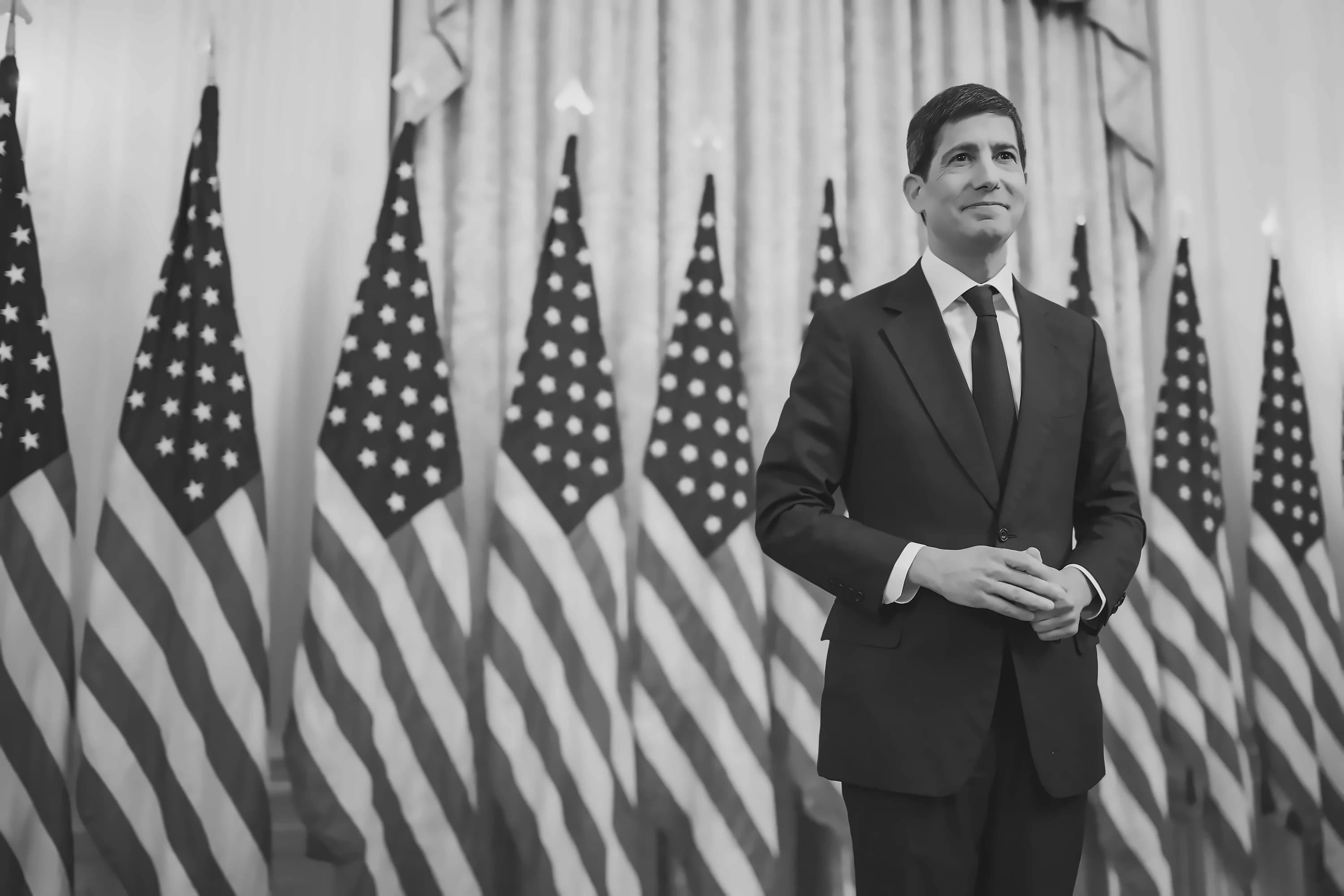
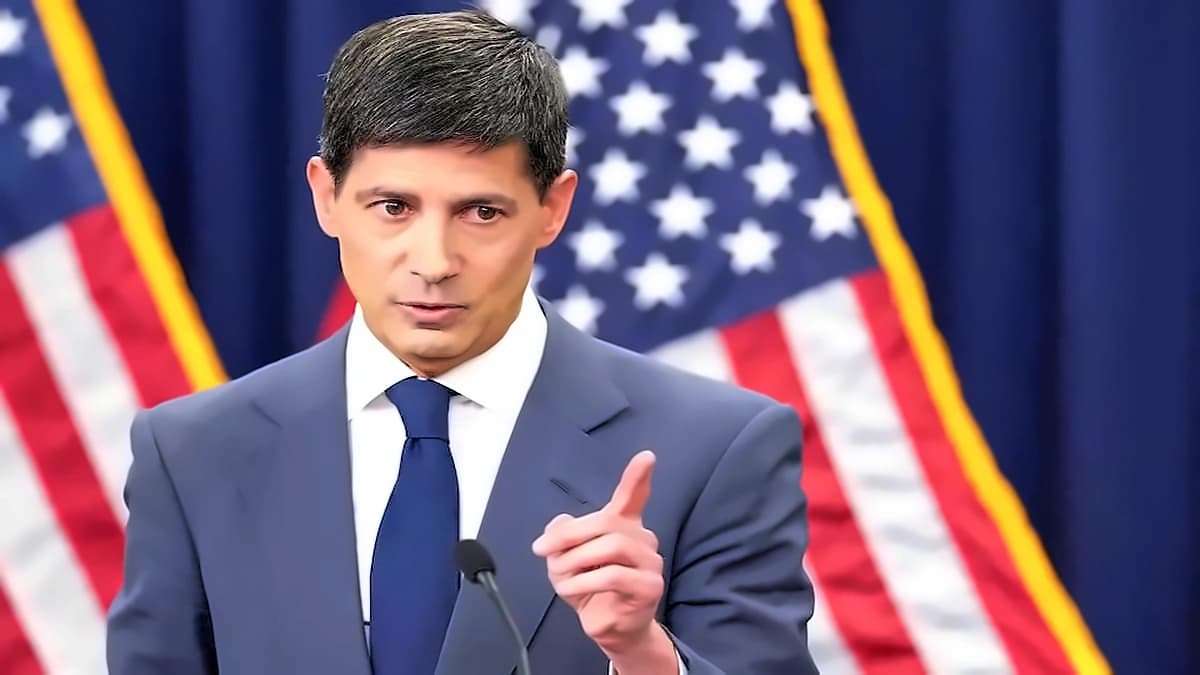
Federal Reserve Chairman Kevin Warsh has doubled down on his commitment to fundamentally alter the Fed's approach to inflation, stating during his July 14 testimony before the House Financial Services Committee that 'price stability should be a change in prices such that households and businesses don't have to worry about it, don't have to think about it.' This represents a significant escalation from his previous semiannual testimony, where he declared 'Inflation will be a thing of the past' and emphasized the Fed's 'no tolerance for persistently elevated inflation.' The timing proved strategic, as the June CPI inflation report showing a 0.4% decline in prices was released 90 minutes before his testimony, giving Warsh room to sound determined without promising immediate action via a rate hike.
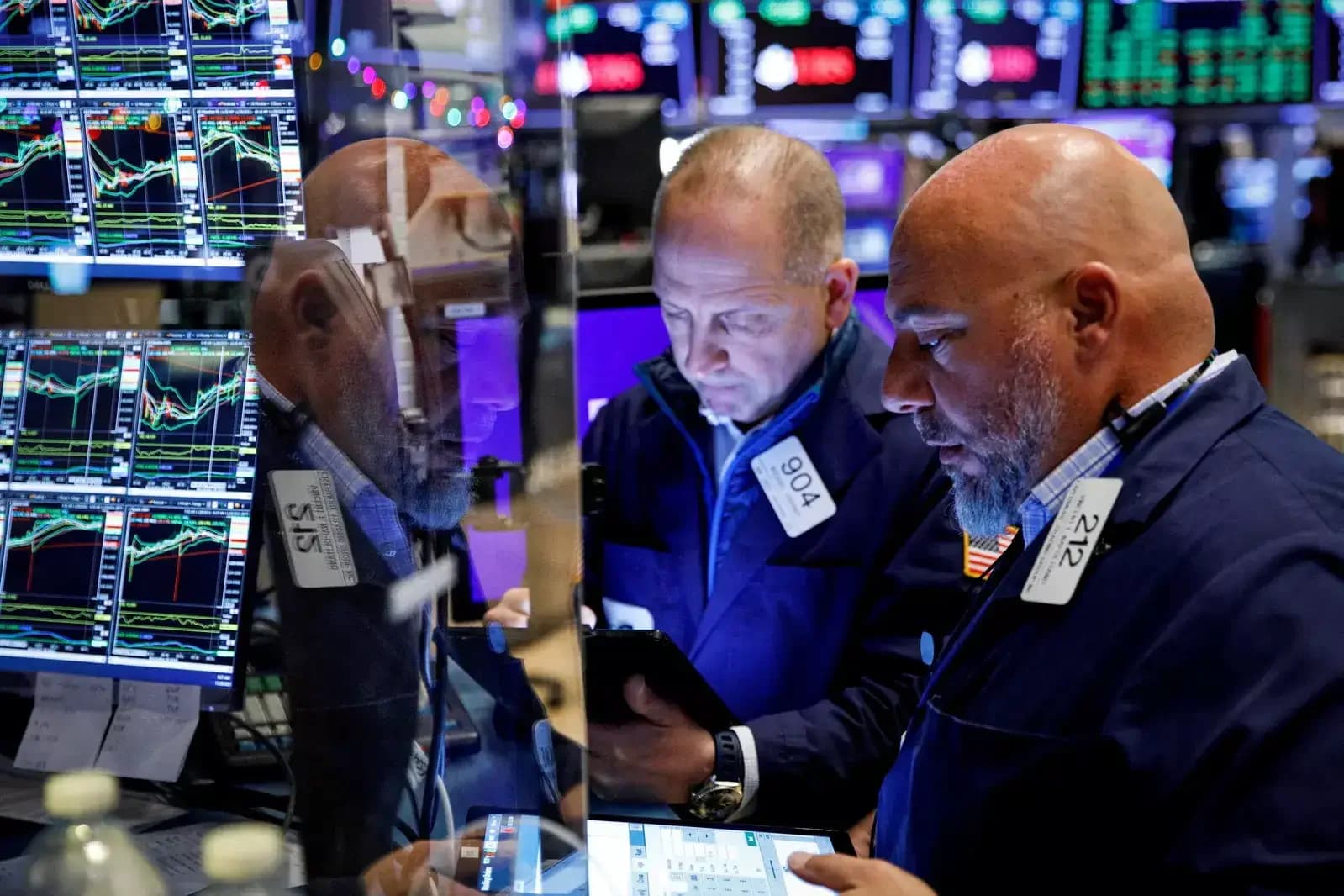
Warsh's new definition draws directly from former Fed Chairs Paul Volcker and Alan Greenspan, who shared similar views on inflation. Volcker, who chaired the Fed from August 1979 to August 1987, referred to price stability as 'a situation in which expectations of generally rising (or falling) prices over a considerable period are not a pervasive influence on economic and financial behavior.' Greenspan, who succeeded Volcker, claimed 'we'd be at price stability when households and businesses need not factor expectations of changes in the average level of prices into their decisions.' However, this return to old-school thinking introduces significant uncertainty into financial markets, as it makes it virtually impossible for financial markets to predict what FOMC policymakers may do next. The removal of transparency and predictability will likely make Treasury yields more volatile, particularly concerning for an expensive stock market that's been powered by debt-financed artificial intelligence data center build-outs.
The latest inflation data shows Core CPI inflation falling to 2.6%, below expectations of 2.8%, with month-over-month CPI inflation falling -0.4%, the biggest monthly drop since May 2020. Despite headline inflation pulling back to 3.5% in June from 4.2% in May on the heels of notable fuel price declines, Core Personal Consumption Expenditures (PCE) has remained stubbornly high. By Warsh's own definition of price stability, pulled from a mix of Volcker and Greenspan, and based on his historically hawkish stance on monetary policy, the likelihood of FOMC rate hikes remains incredibly high. US stock market futures are surging on the inflation news, but Warsh's attempt to alter the very definition of inflation could halt a historic rally in its tracks for the second-priciest stock market in history.
During his testimony, Warsh faced questions about the Fed's independence, particularly from Rep. Nydia Velázquez, who asked whether Warsh 'works for' the administration. Warsh responded firmly, 'We're an independent central bank.' When pressed further, he committed only to 'follow the law and follow the data.' The graphic shows the Fed is currently split on the odds of a September rate hike, with the market pricing in approximately 50% probability. Warsh's aversion to forward guidance emerged as another key theme, arguing that 'We're human.' He explained that when the committee publishes projections, members inevitably start 'taking information that's consistent with our priors and rejecting information that's inconsistent.' When individuals or groups anchor to forecasts, they tend to favor them and may be less likely to consider opposing data.