Iran has reiterated its unwavering control over the Strait of Hormuz, with Parliament Speaker Mohammad Bagher Ghalibaf describing the strategic waterway as the country's 'greatest instrument of power'. According to Al Jazeera, Ghalibaf spoke to Iranian state media after commenting on the memorandum of understanding signed with the United States, stating that 'these are our territorial waters' and 'we will not allow the United States to create controversy or sophistry by claiming that Iran has militarized the Strait of Hormuz.' He emphasized that Iran will never, under any circumstances, retreat from this position, calling the Strait of Hormuz 'a divine gift that God granted us during this war' and 'our greatest instrument of power.' The latest crisis escalated after attacks on commercial vessels in the Strait of Hormuz, with Article 5 of the US-Iran memorandum of understanding emerging as the key point of contention.
The US military escalated its response against Iran on Saturday, striking 10 Iranian military targets after Iranian forces attacked the oil tanker Kiku with a one-way drone. According to US Central Command, the strikes targeted Iranian surveillance infrastructure, communication systems, air defense sites, drone storage facilities, and minelayer capabilities following the attack on the tanker laden with more than two million barrels of crude oil sailing through the Strait of Hormuz. As per Business Standard, Trump warned that 'if that happens, the Islamic Republic of Iran will no longer exist!' and warned of a point where the US may no longer be able to be reasonable, stating 'and will be forced to militarily complete the job.' Iran's state television reported explosions in an area just north of the Strait of Hormuz, while Iran's paramilitary Revolutionary Guard claimed responsibility for targeting several locations 'of the US terrorist army in the region.'
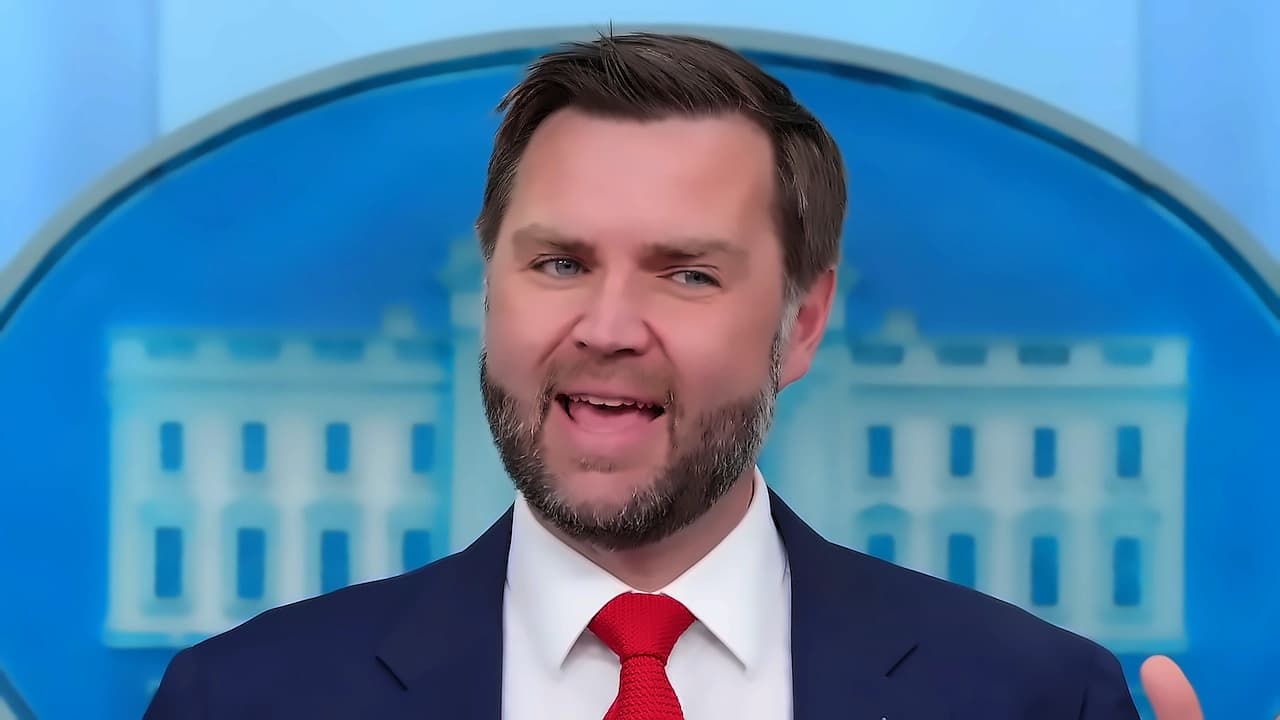
US President Donald Trump issued his sharpest warning yet against Iran, stating on Truth Social that US aircraft had struck Iranian missile and drone storage locations, along with coastal radar sites for violating the ceasefire agreement. Trump accused Tehran of violating the ceasefire agreement again and warned there may come a point when Washington is 'no longer able to be reasonable' and may be forced to 'militarily complete the job.' This marked one of the sharpest warnings issued during the current phase of the conflict and signalled that the ceasefire framework remains unstable despite ongoing diplomatic efforts. The threat has drawn attention because any renewed escalation in the Gulf could affect oil movement, insurance costs, freight rates and broader market sentiment, with markets remaining vulnerable to sudden shifts if attacks on vessels increase.
The US military response came after Iranian forces attacked the oil tanker Kiku with a one-way drone, which was bound for a port in the United Arab Emirates that sits on the Gulf of Aman, just on the other side of the Strait of Hormuz. According to Business Standard, the tanker had left a Qatari oil field in the middle of the Persian Gulf earlier in the week and was attempting to use a route established near the coast of Oman that serves as an alternative to the route sanctioned by Iran. The British military's United Kingdom Maritime Trade Operations center confirmed that a tanker was attacked Saturday in the strait, with the crew safe and no environmental damage reported. The Joint Maritime Information Center, overseen by the US Navy, announced that the route near Oman's shore is expanding to allow for inbound and outbound traffic, likely setting up a new flashpoint with Tehran. The US military said 'Iran had a chance to honor the ceasefire agreement' but 'elected not to' when its forces attacked the Kiku. As per CNN, Iran's Islamic Revolutionary Guard Corps targeted American military sites in neighbouring countries, including Kuwait and Bahrain, after the US attacks during the weekend.
Iran's response to the US strikes was swift and coordinated. According to official state television, the Islamic Revolutionary Guard Corps (IRGC) has launched a coordinated strike targeting several locations in the region where the US Army is currently deployed. The elite military force claimed direct responsibility for the operations, stating that the strikes were designed to hit key infrastructure hosting American military personnel across the region. Iranian media reported several explosions in the Sirik and Qeshm areas of southern Iran, with Tehran describing the US attacks as a blatant violation of the interim truce arrangement. Iran's Revolutionary Guards warned that if the aggression is repeated, its response would be broader, indicating that both sides remain prepared for further action. Bahrain's Foreign Ministry issued a statement condemning 'a number of Iranian drones' that targeted the country, calling the attack 'a flagrant threat to the security of citizens and residents.'
The violence has again placed the Strait of Hormuz at the centre of global attention, with the narrow waterway connecting the Gulf with the Arabian Sea being among the world's most important energy corridors. In peacetime, about a fifth of global oil and liquefied natural gas exports pass through the route. Iran has warned vessels against entering or leaving the Gulf through the strait without permission, while shipping has continued with some vessels reportedly using routes not authorised by Tehran. For energy-importing economies such as India, any serious disruption in the Strait of Hormuz can quickly become a financial concern, with changes in global oil prices affecting fuel costs, inflation expectations, the rupee and corporate margins. Despite the latest flare-up, oil prices have reportedly fallen sharply on hopes that traffic through Hormuz would recover, suggesting traders are still weighing the possibility of containment rather than a full-scale disruption. Analysts have described Iran's actions around the strait as calibrated pressure rather than an immediate push for all-out war.
The escalation comes despite the 14-point memorandum of understanding (MoU) signed earlier this month between the US and Iran, which established a 60-day pre-determined period for finalizing a comprehensive peace agreement. Under the deal, both countries agreed to permanently terminate all military operations on all fronts, including attacks in Lebanon, before the final peace agreement is negotiated. The US committed to remove its naval blockade and all forces from the proximity of Iran within 30 days of the final peace deal, while Iran agreed to not procure or develop nuclear weapons. However, the latest attacks on the M/V Ever Lovely tanker and the M/T Kiku have broken the ceasefire framework, with the US military stating that 'Iran was given a chance to honour the ceasefire agreement but elected not to' when its forces launched the drone attack. Key focus of global market investors will now remain on any further escalations from either side, as any potential move can impact the ongoing negotiations and risk the upcoming final peace agreement.