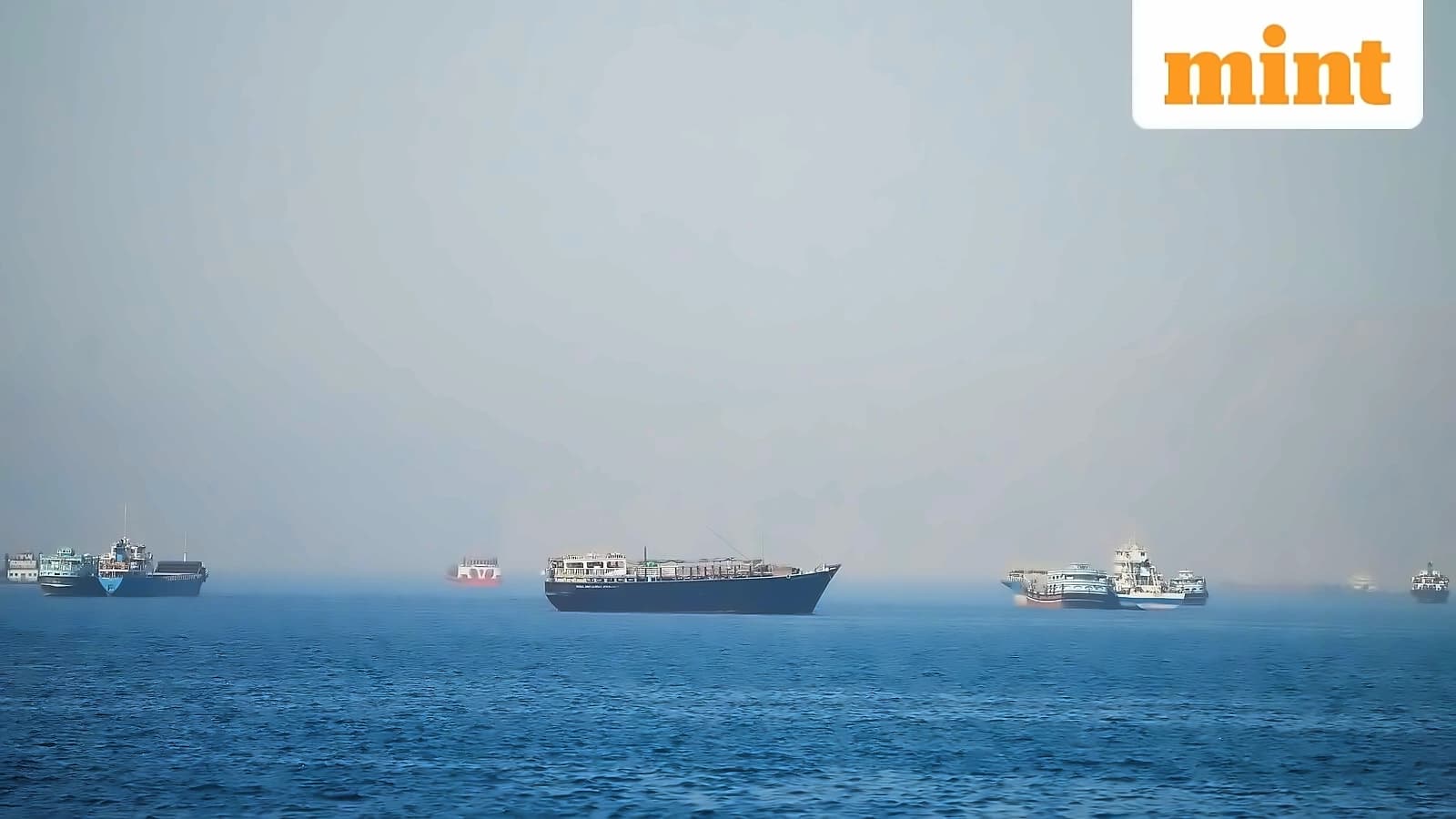
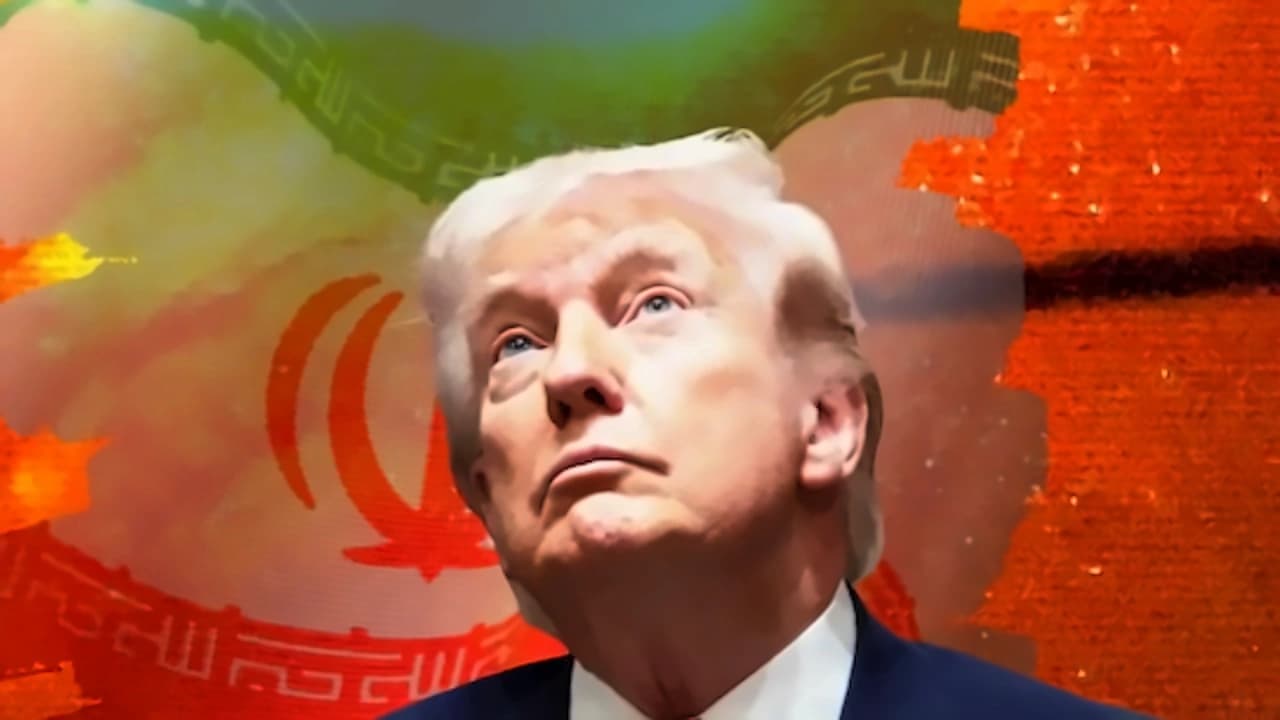
US President Donald Trump has significantly downplayed the ongoing conflict with Iran, calling it a 'skirmish' during a rally in Marietta, Georgia, on Wednesday. According to Business Standard, Trump told supporters that 'This skirmish we have going on, I call it a skirmish with the Islamic Republic of Iran. They are getting hit so hard. And they want to make a deal. But I say they're not ready to make a deal. They'll be ready very soon.' The president also dismissed the strategic importance of the Strait of Hormuz, the narrow waterway through which a large share of the world's oil shipments pass and which Iran has repeatedly threatened to close during the conflict. As reported by Business Standard, Trump stated 'We don't need straits. We don't need anything. We don't need the Hormuz Strait because we do it because we have to do it.'
US President Donald Trump has escalated the Iran conflict by warning Wednesday that the US will destroy one bridge or power plant each time Iran shoots at a ship in the Strait of Hormuz. According to Business Standard, Trump wrote on social media that 'From this point forward, any time the Islamic Republic of Iran shoots at a ship in the Strait of Hormuz, whether it be by Missile, Rocket, Drone, or any other device or weapon, the United States will bomb and destroy one bridge or power plant'. The latest threat comes as Trump claimed Iran was eager to negotiate an end to the fighting, stating 'They want to make a deal. But I say they're not ready to make a deal. They'll be ready very soon.' This latest threat comes as the unpopular war spirals with no clear offramp, threatening further worldwide economic disruption and sending fuel prices up ahead of midterm US elections this fall.
Iran's military spokesperson issued a stern warning on Tuesday regarding potential US military action against the country's nuclear facilities. According to reports from NDTV Profit, Ibrahim al-Fiqar, the official spokesperson for Iran's Khatam al-Anbiya Central Headquarters, warned that any US strike on Iran's nuclear sites would trigger a 'terrifying' retaliation. The warning was issued in a series of posts on X, where al-Fiqar stated that Iran's response would leave 'no site, facility, interest, or ally of America' unscathed across the region. As reported by NDTV Profit, al-Fiqar emphasized that 'he who has warned bears no blame' and warned that Tehran's response would draw no distinction 'between a base, facility, or interest of the United States and its allies across the length and breadth of the region'.
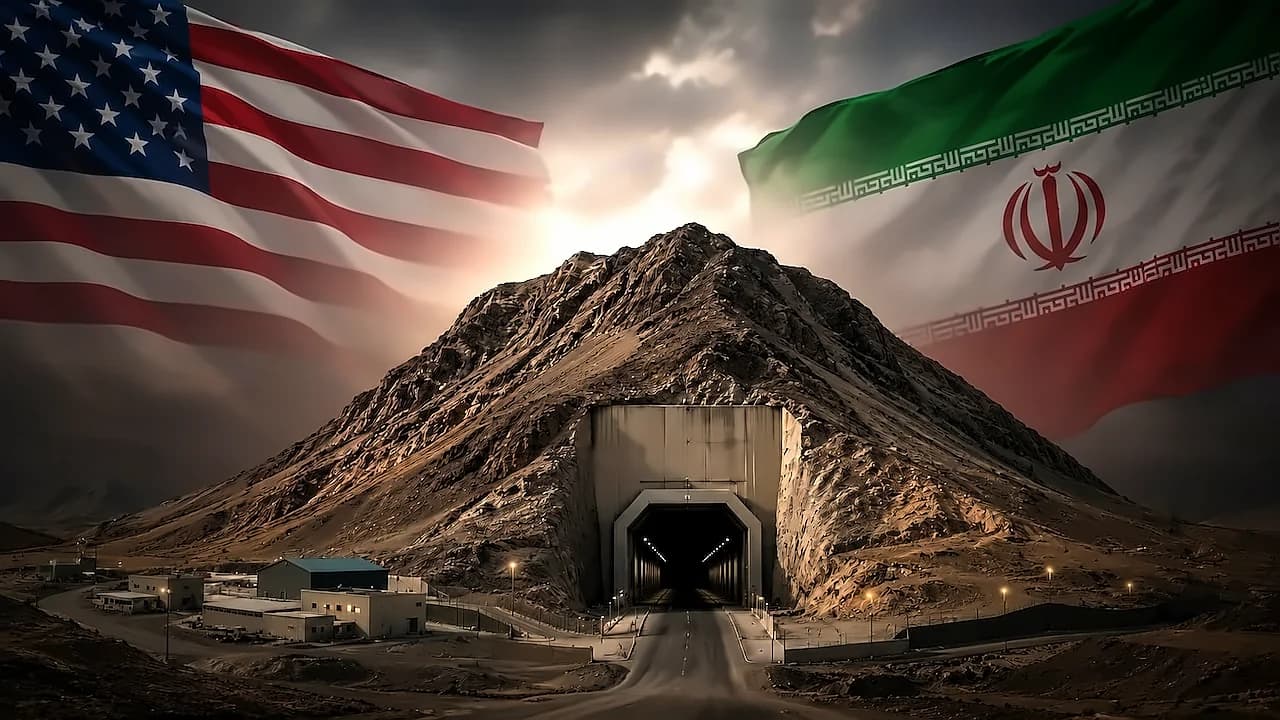
The latest threats come as the US carried out another wave of strikes on Iran overnight into Wednesday, with air defences opening fire over the capital, Tehran. According to Business Standard, Iran launched a missile attack on a Jordanian city on Israel's doorstep, with Jordan's military intercepting four Iranian missiles over Aqaba and two others falling in uninhabited areas. The US has maintained its military campaign against Iran, which began on 28 February with Operations Roaring Lion and Epic Fury. Trump maintained that Iran could not access its buried enriched-uranium stockpiles regardless, following earlier US strikes on Iranian nuclear facilities. Trump's latest threat specifically includes 'those located next to, or in, the Capital City of Tehran', indicating potential strikes on Tehran's infrastructure.
The conflict has drawn international condemnation, with United Nations Secretary-General Antonio Guterres decrying such attacks as 'unacceptable' on Tuesday. As reported by Business Standard, four more tankers changed course in the Red Sea after Iran-aligned Houthis in Yemen threatened the southern route out, highlighting new risks to global oil supplies. US Secretary of State Marco Rubio said Iran was not serious about peace talks, while Pakistan, which has been mediating, condemned the disruption. Both Rubio and Pakistan said they still backed the idea of negotiations, though diplomatic efforts face significant challenges. Trump's latest comments suggest the US maintains its position that 'we cannot let Iran have a nuclear weapon' despite Iran's reported willingness to negotiate. Meanwhile, Iranian officials have responded strongly to US threats, with Foreign Minister Seyed Abbas Araghchi warning that any aggression against Iran would be met with a 'decisive response' and those contributing to it will be considered 'legitimate targets'.