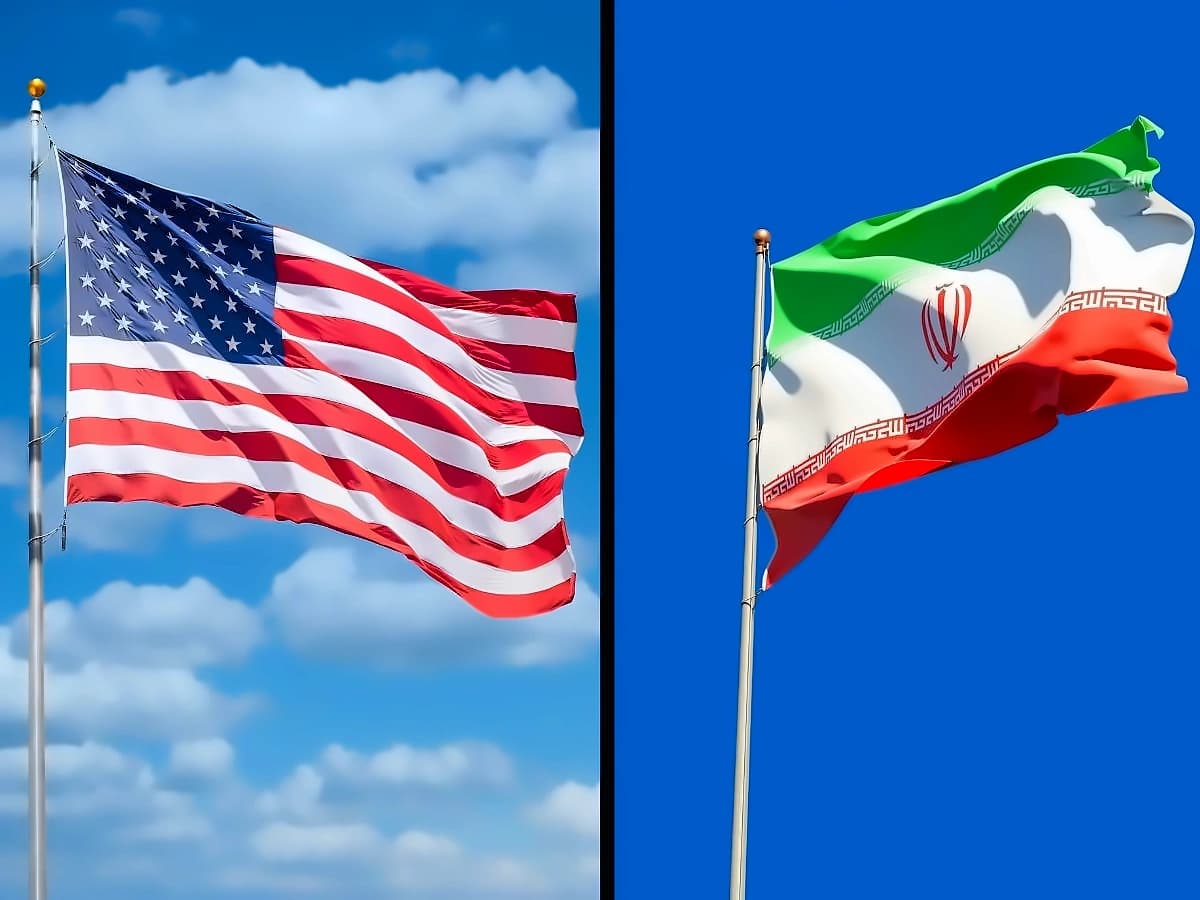
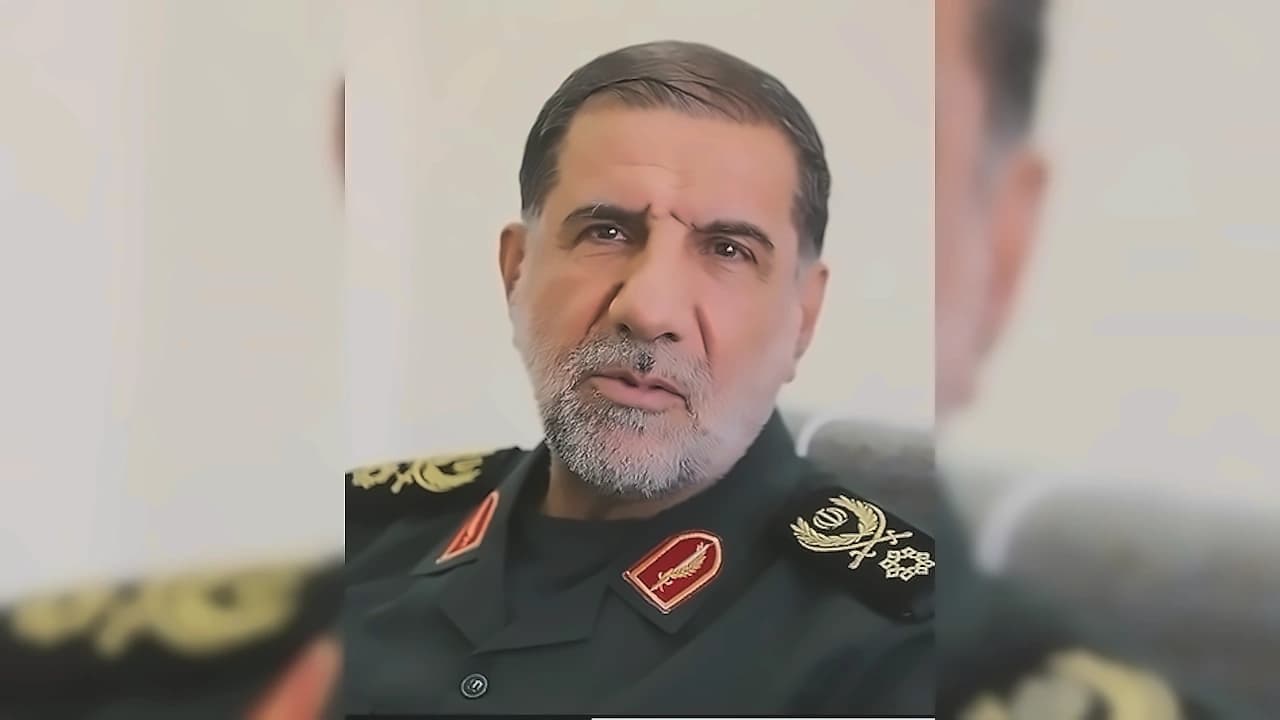
Iran has issued its most explicit warning yet about potential military expansion beyond the Persian Gulf, with Major-General Yahya Rahim Safavi, an adviser to Supreme Leader Mojtaba Khamenei, specifically addressing the Indian Ocean for the first time. As reported by Fars news agency, Safavi warned that "Since the conflict has spread from the Persian Gulf and Strait of Hormuz to the Red Sea, it is possible that, in response to more war, the front will expand even further, reaching the Indian Ocean and perhaps beyond." The warning comes as Iran's military has prepared plans for the worst-case scenario if US-Israeli attacks resume, with Safavi praising Yemen's Houthis for taking over the Red Sea coastline. "For more than 100 years, Yemenis have stood up to any invading force that sought to encroach on their territorial integrity in any way," he stated, adding that "if the Americans start a new war, a new front centred on the Red Sea and the Bab al-Mandeb Strait may open up before their very eyes."
Iran has formally conveyed conditions to the US through Qatari mediators for ending the ongoing war and returning to negotiations. According to Al Jazeera, Iranian Secretary of the Supreme National Security Council Mohsen Rezaei stated that Tehran was seeking an end to hostilities on all fronts, including attacks involving the United States and its allies in the region. The conditions include release of Iran's frozen overseas funds, an end to the US naval blockade of Iranian ports, and the cessation of US attacks on Iranian territory. Rezaei emphasized that "It is in Washington's interest to accept these conditions. Trump's threats will not achieve any results. We are prepared for a decisive war." The demands broadly overlap with provisions contained in a June 17 US-Iran memorandum of understanding, which included ending the conflict, respecting Iran's sovereignty, lifting naval restrictions and releasing frozen Iranian assets. In the latest diplomatic efforts, representatives from both nations met this week in New York on the sidelines of the UN General Assembly, with Iran outlining its demands for the conflict to stop, including the unconditional release of its frozen foreign assets and the removal of economic sanctions.
The Iranian military outlined its retaliatory approach in the event of any US attack, with Rezaei warning of even more severe consequences. "We will confront America with greater force, and with more numerous and more painful strikes," Rezaei told Al Jazeera. This warning suggests Iran is prepared for a prolonged conflict scenario if military action proceeds, indicating the country's commitment to defending its interests through sustained military response. The statement warned that if the United States took any military action against Iran, all US positions and interests in the region would be targeted "without any limitations or considerations" in sustained, effective and painful attacks. The military readiness has been reinforced by recent military assessments and previous conflict experiences, with Secretary of Iran's Supreme National Security Council (SNSC) Mohsen Rezaei warning that the Islamic Republic considers another US aggression "very much on the cards" based on its military assessments.
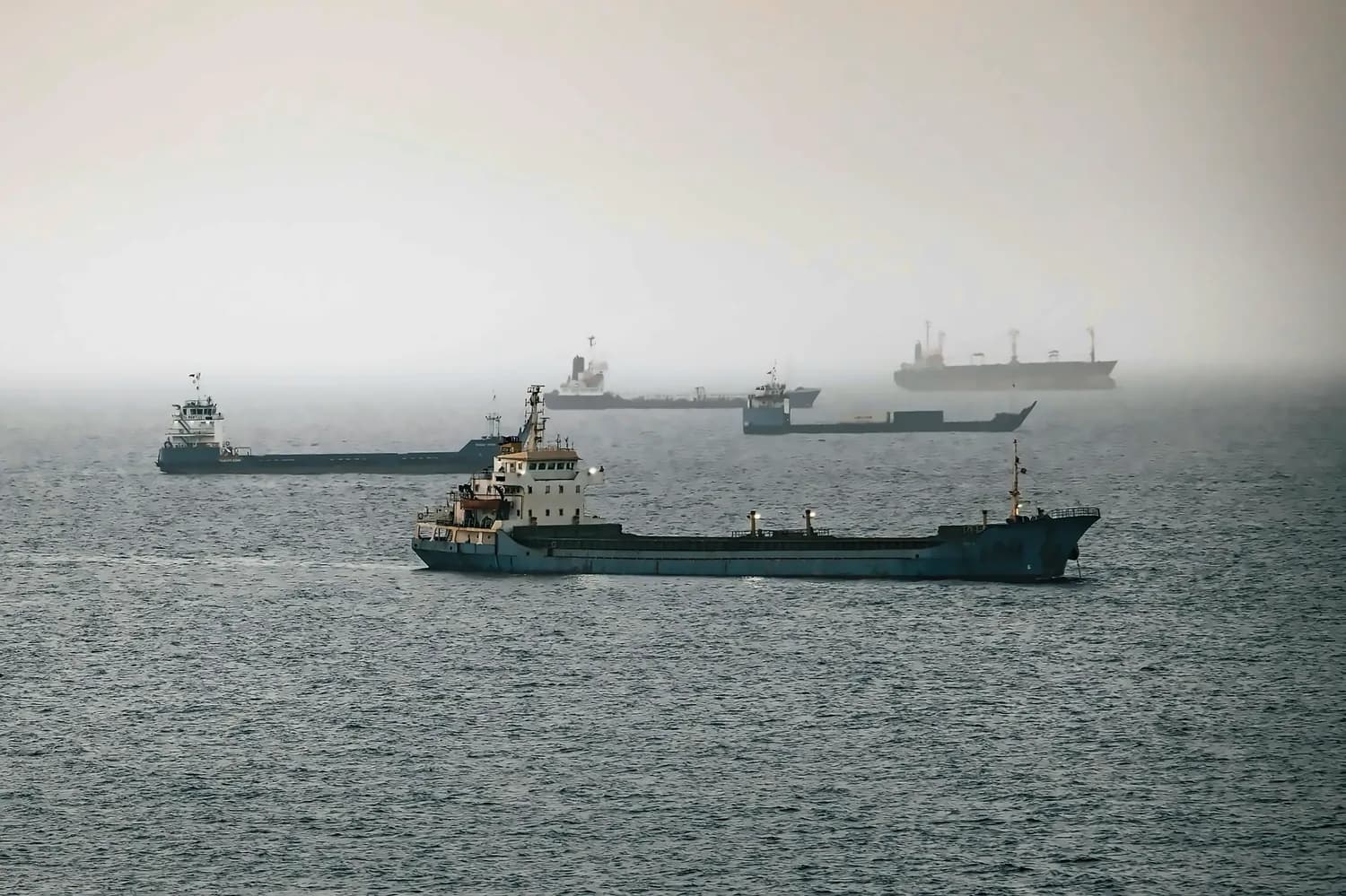
Iranian parliament speaker Mohammad Bagher Ghalibaf has escalated the crisis by threatening to close the Strait of Hormuz until US commitments are fulfilled. According to Iran's Fars news agency, Ghalibaf stated that "Iran will not open the Strait of Hormuz until its conditions are met and US commitments are fulfilled." He emphasized that "As long as the legitimate rights of the Iranian people are not recognized and the US does not fulfill its commitments, the Strait of Hormuz will remain closed." This represents a significant escalation in Iran's response strategy, targeting one of the world's most critical shipping routes. The threat has been reinforced by Second Brigadier General Abolfazl Zolfaghari, spokesman for the Khatam al-Anbiya Central Headquarters, who announced that "In the event of any attack on Iranian ships, the armed forces of the Islamic Republic of Iran will severely target American bases and interests in the region."
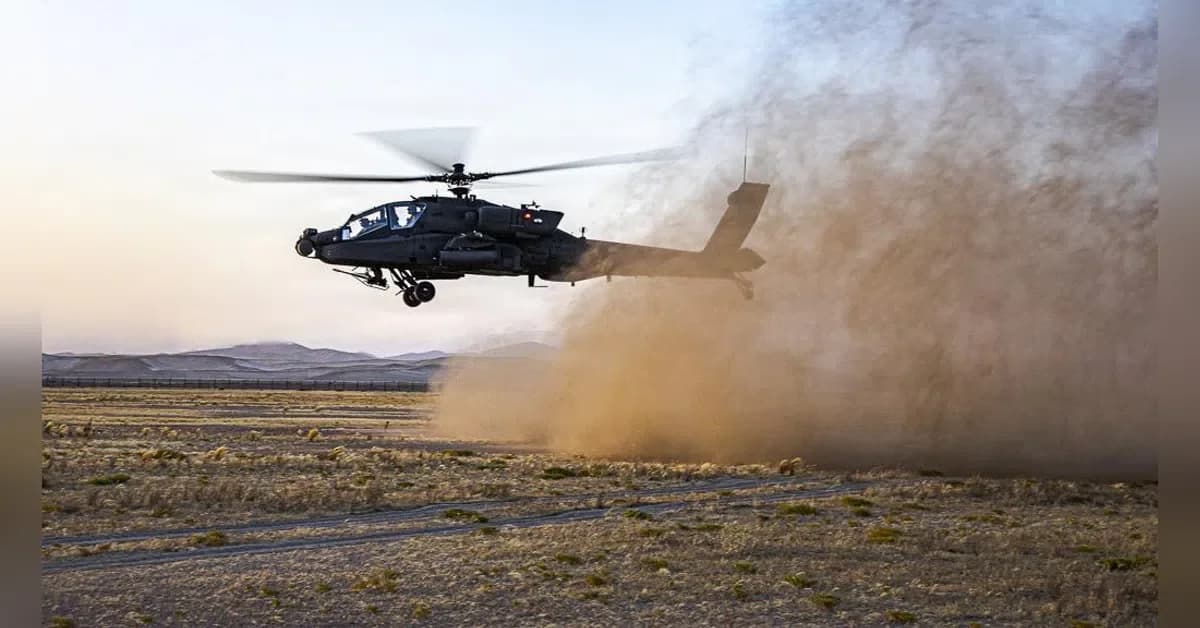
The US military has been preparing for potential escalation while engaging in regional diplomatic efforts. US President Donald Trump said last week that he was approaching a "big decision" on whether to resume large-scale attacks against Iran. Trump is expected to meet leaders from Saudi Arabia, the United Arab Emirates, Qatar, Bahrain, Kuwait and Oman on September 22 on the sidelines of the UN General Assembly in New York to discuss the regional situation and Iran. Meanwhile, the US State Department has separately warned Americans across the Middle East of possible escalation, urging heightened vigilance and preparation for potential flight cancellations, airspace closures and broader travel disruption. The Indian Ocean, which is home to a vital US-British military facility at Diego Garcia, over 4,000 miles from Iran, was specifically addressed by Iranian military advisers for the first time, representing a significant geographical expansion of potential conflict zones. India has also been affected by the conflict, with another Indian seafarer losing his life near Oman, close to the Strait of Hormuz, on Wednesday, highlighting the global impact of the ongoing tensions.