Iranian Foreign Minister Abbas Araghchi has responded to escalating US threats against Oman by expressing solidarity with the Gulf ally. According to NDTV Profit, Araghchi stated he had a 'productive call' with Omani Foreign Minister Badr Albusaidi on Friday, declaring 'We talked about Hormuz and its future management in accordance with international law and our sovereign obligations'. Araghchi emphasized 'We welcome consultation with all surrounding states' and expressed Iran's solidarity with Oman in the face of any threat. This diplomatic engagement comes after President Donald Trump threatened to 'blow up' Oman if it attempts to work with Tehran to jointly manage the Strait of Hormuz, marking a significant escalation in tensions between the US and its Gulf allies.
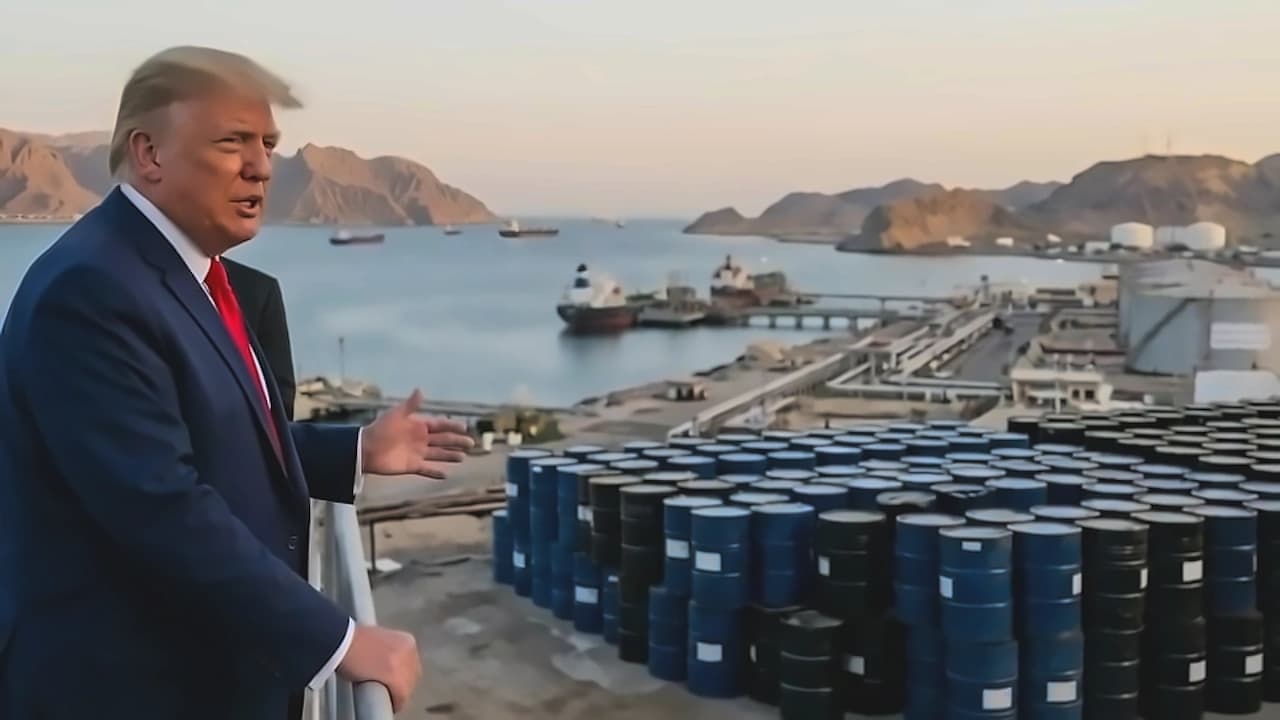
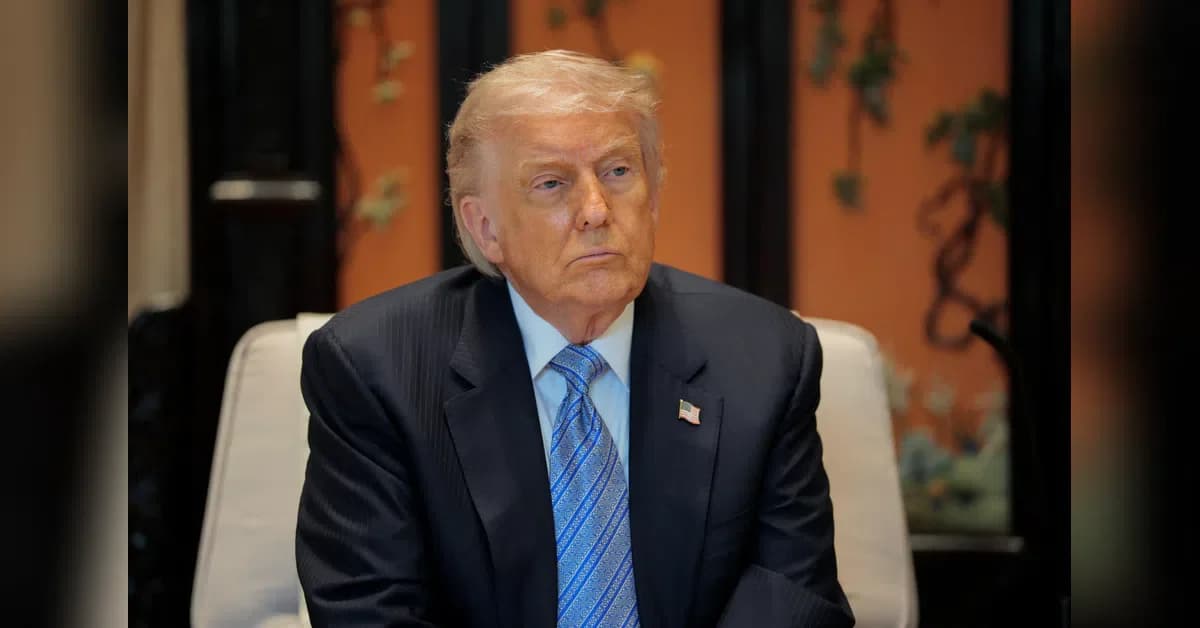
President Donald Trump has now threatened, targeted, or attacked at least 15 countries across his two presidential terms, with Oman becoming the latest addition after his warning over the Strait of Hormuz. According to CNN, speaking during a White House Cabinet meeting, Trump warned Oman against attempting to control the key oil shipping route alongside Iran. 'Oman will behave just like everybody else, or we'll have to blow ‘em up,' Trump said, delivering the remark almost casually during broader discussions. The scale and nature of these actions vary significantly, with some operations described as counterterrorism missions rather than attacks aimed at governments. Trump has also directly threatened or refused to rule out action against Canada, Colombia, Cuba, Greenland, Mexico, Panama and now Oman, with the Middle East remaining a particular focus with five countries in the region now either threatened or subjected to US military action during Trump's presidency.
The United States issued a sharp and direct warning to its ally Oman on Thursday, threatening aggressive sanctions against any nation or entity found facilitating Iran's attempts to impose a tolling system in the Strait of Hormuz. According to reports from The Times of India, Treasury Secretary Scott Bessent delivered the warning in an unambiguous post on X, stating that the US Government will not tolerate any effort to impose a tolling system in the strategically important waterway. 'The United States Government will not tolerate any effort to impose a tolling system in the Strait of Hormuz,' Bessent wrote, dramatically escalating pressure on one of America's longtime Gulf partners. 'Oman, in particular, should know that the US Treasury will aggressively target any actors involved — directly or indirectly — in facilitating tolls for the Strait and any willing partners will be penalized,' Bessent added, making clear that the warning extends beyond direct involvement to include indirect facilitation of the proposed system.
Iranian officials are attempting to frame these payments as legal service fees rather than illegal transit tolls, but the US sees through the wording, viewing the entire plan as a thinly veiled protection racket. According to Bloomberg, Iranian officials 'Iran and Oman must mobilise all their resources both to provide security services and to manage navigation in the most appropriate manner,' said Amin-Nejad in an interview in Paris last week. 'This will entail costs, and it goes without saying that those who wish to benefit from this traffic must also pay their share,' he added, emphasizing that the system would be transparent. However, under the UN Convention on the Law of the Sea (UNCLOS), charging a direct toll just to sail through an international strait is illegal. By rebranding the toll as a navigation support service fee, Iran and Oman hope to exploit a loophole, a move that the Trump administration has rejected. Critics have compared the proposed fee structure to protection money, warning that it creates a legal grey area to bypass international maritime law.
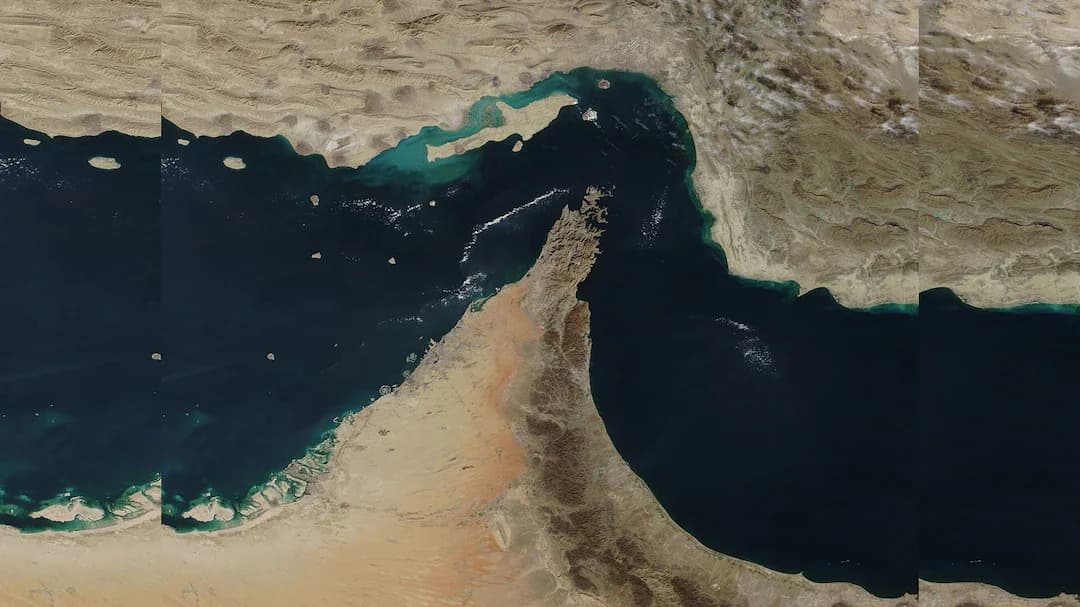
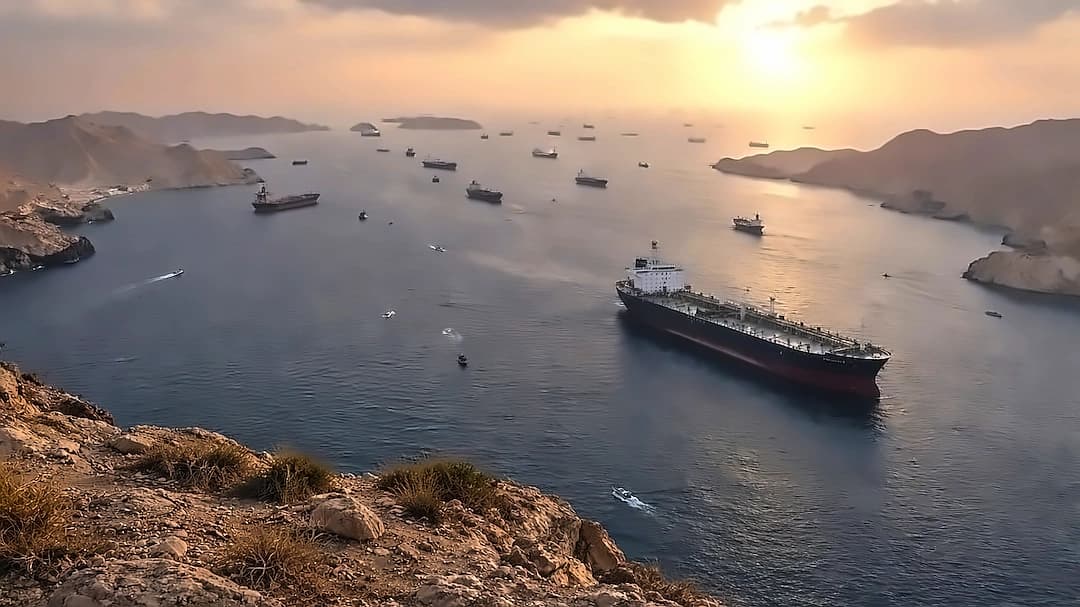
As reported by The Times of India, Bessent closed his statement with a pointed declaration that 'All nations should reject outright any efforts by Iran to disrupt the free flow of commerce'. He emphasized that 'Tehran's days of terrorising the region and the world are over', signaling a broader US policy stance against Iranian regional influence and commercial disruption attempts. The Strait of Hormuz normally handles roughly one-fifth of global oil and LNG trade, but commercial traffic through the waterway remains far below prewar levels amid mining threats, attacks on merchant vessels, insurance costs and ongoing military tensions. Shipping executives and security analysts have repeatedly warned that traffic is unlikely to normalize until operators receive credible guarantees on mine clearance, freedom of navigation and sanctions exposure tied to Iranian transit demands. Other Gulf neighbours are equally alarmed, with Sultan Al Jaber, head of the United Arab Emirates' main oil company, warning that a dangerous precedent is being set. 'If the international community accepts that a single country can hold the world's most important waterway hostage, freedom of navigation as we know it is finished, and the world will spend the next decade dealing with the consequences,' Al Jaber stated.