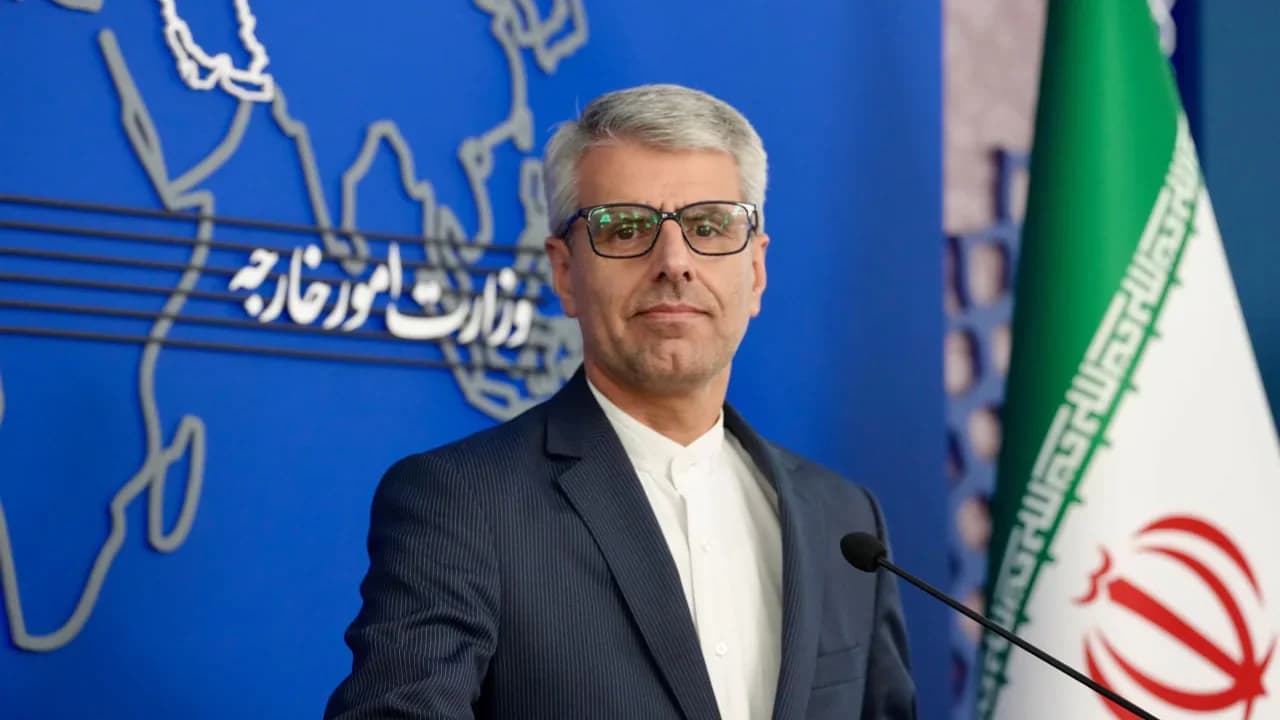
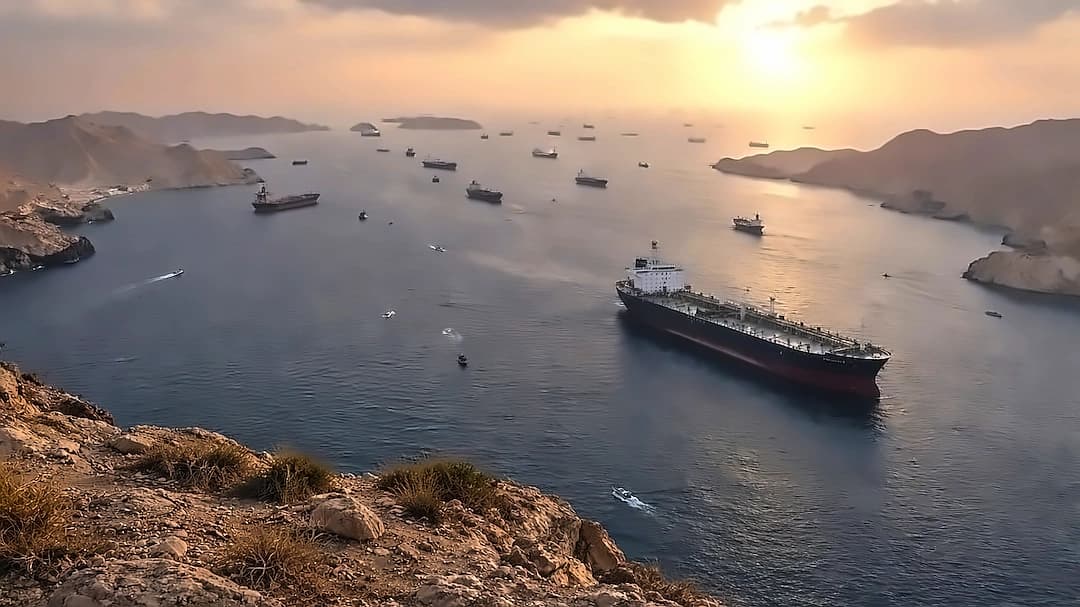
Iran is actively discussing with Oman how to establish a permanent security mechanism for the Strait of Hormuz, with Iran pushing to institutionalize and normalize a transit fee or toll on commercial shipping vessels. According to an Iranian diplomatic envoy, the proposed system is designed to secure the long-term positioning of Iran and Oman as the primary regulators of the strait, effectively transforming a temporary leverage point from the recent military conflict into a permanent sovereign right. The ambassador emphasized that "this will entail costs, and it goes without saying that those who wish to benefit from this traffic must also pay their share," adding that the system will be transparent. Asked about the plan, US President Donald Trump rejected it, telling reporters at the White House, "We want it open, we want it free, we don't want tolls."
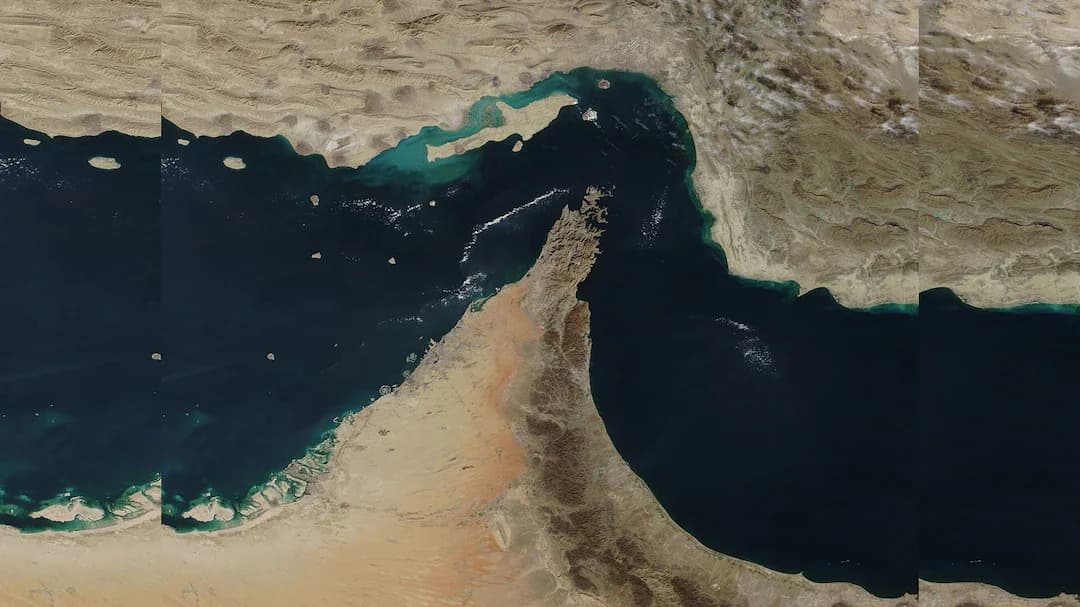
Iran's unprecedented closure of the strait represents the biggest consequence of the US-Israeli war on the Islamic Republic. As reported by Bloomberg, traffic has shriveled since the conflict erupted in late February, with Iran letting through few vessels and the US navy blockading Iranian ports since April 13. This has caused energy prices to soar and sparked a global selloff of government bonds as inflationary pressures mount. The strait, which normally handles a fifth of the world's oil and liquefied natural gas supplies, connects the Persian Gulf to the Indian Ocean and normally handles other commodities such as aluminum and fertilizers as well.
Iran's newly established Persian Gulf Straits Authority has begun applying conditional rules and hefty transit tolls, in some cases exceeding one million dollars per vessel, while granting selective exemptions to friendly nations like Russia or China. According to Bloomberg reports, Iran refuses to reopen the Strait of Hormuz until the US agrees to lift its naval blockade of Iranian ports. While Iran claims 26 tankers and other ships transited between Tuesday and Wednesday with the help of the Islamic Revolutionary Guard Corps, this would be an unusually high number for recent weeks and still far below pre-war levels of roughly 135 ships a day. The ambassador blamed exorbitant insurance costs for the decline, though shipping companies attribute the main problem to missile and drone attack risks and hitting sea mines.
The U.S. has opposed the toll system plan, citing the strait as an international waterway, as reported by Bloomberg. The UAE's oil company head Sultan Al Jaber warned that accepting Iranian control over the strait sets a dangerous precedent, stating "once you accept that a single country can hold the world's most important waterway hostage, freedom of navigation as we know it is finished." Under the United Nations Convention on the Law of the Sea, international straits are governed by transit passage protocols that guarantee the uninterrupted flow of global commercial shipping. The US has treated the removal of these tolls as a core prerequisite for reaching a peace deal, with President Trump warning international maritime firms that paying Iran's transit fees could trigger severe economic sanctions. The US military has also enforced its own counter-blockade on Iranian ports and continues to intercept or redirect vessels to challenge Tehran's claims of total sovereignty.