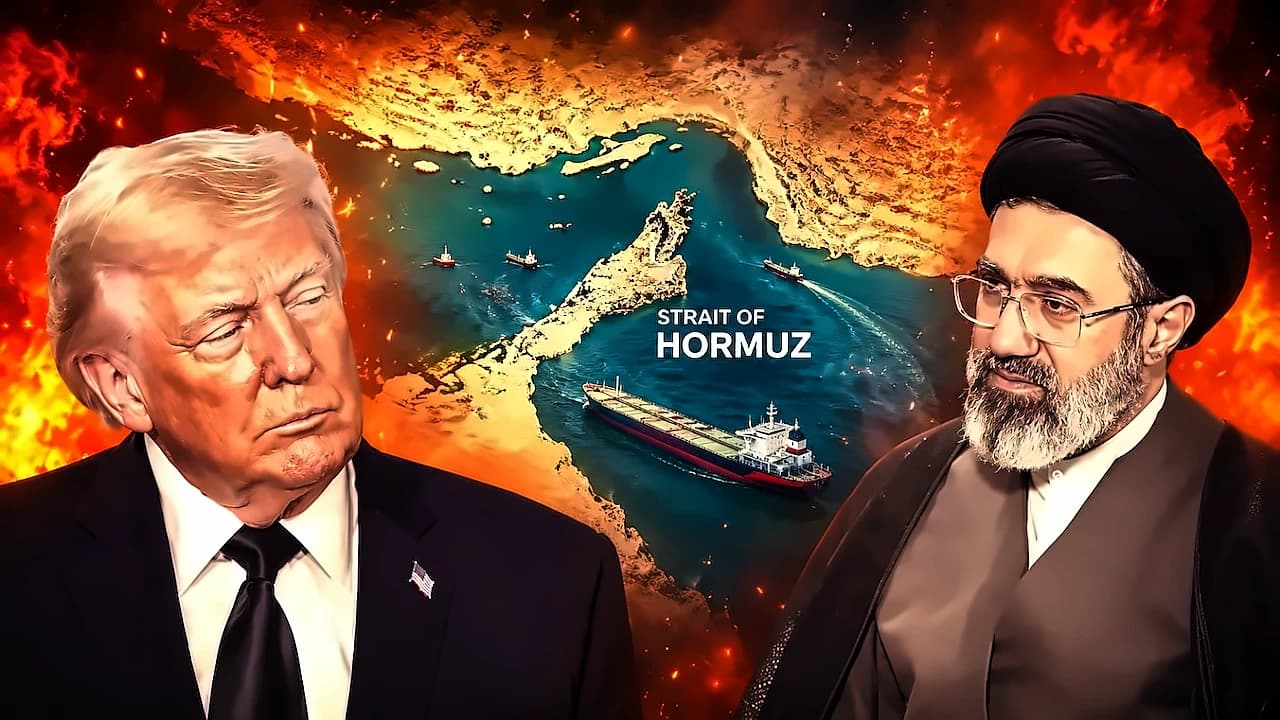
The White House has provided detailed clarification on the Strait of Hormuz blockade, with Press Secretary Karoline Leavitt confirming that the blockade applies only to vessels entering or departing Iranian ports. Speaking during a press briefing, Leavitt stated that 'We know that there is a blockade of ships directed by the President for ships entering and departing Iranian ports only. This has been fully implemented and is in full force. This blockade was reimposed due to Iran's inability to honour its agreement with the United States of America.' She emphasized that 'The strait is open for ships that are not travelling to and from Iranian ports specifically, and the US Navy is there to ensure that can take place.' The clarification comes as Iran allegedly struck three commercial tankers in the strait, collapsing a fragile ceasefire and triggering a fresh, multi-day US bombing campaign along with the reimposition of a naval blockade on Iranian ports in the waterway.
The US military has deployed significant forces to enforce the blockade, with Leavitt revealing that 'More than 10,000 US sailors, Marines, and airmen, along with two aircraft carriers and more than 20 warships and dozens of aircraft, are executing the blockade mission as we speak.' During the first 24 hours of the blockade, US Central Command (CENTCOM) redirected two commercial vessels that complied with the blockade and disabled one vessel that did not comply. As per Business Standard, CENTCOM resumed the naval blockade targeting vessels travelling to and from Iranian ports and coastal areas on Tuesday, with the organization noting that over 20 US naval warships and hundreds of military aircraft are deployed across the region as part of the blockade operations.
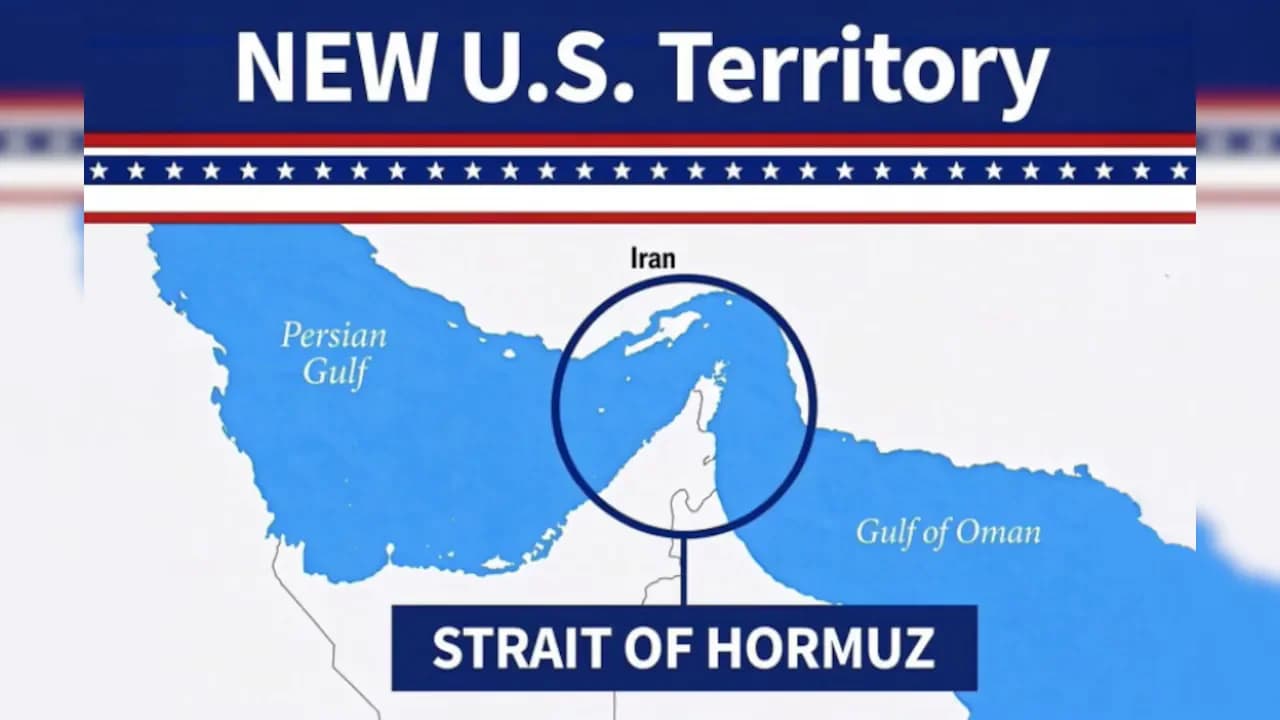
Iran's Parliament has formally introduced a bill titled 'Strategic Action for the Security and Sustainable Progress of the Strait of Hormuz and the Persian Gulf,' according to reports from X. The legislation was tabled 'last night, coinciding with the downing of U.S. drones,' as confirmed by Ebrahim Azizi, Chairman of the Iranian Parliament's National Security and Foreign Policy Committee. Iran's foreign minister Abbas Araghchi responded to Trump's blockade announcement by writing on X that Tehran would remain the strait's 'guardian,' sarcastically agreeing that whoever secures the waterway should be compensated, while calling 20 percent 'too much.' Iran's top military command separately said it would not allow the US to 'interfere in the management' of the strait, warning that any US-linked cooperation would be treated as an act of war against Iranian sovereignty.
The International Maritime Organization, the UN's shipping regulator, said there is no legal basis for imposing mandatory tolls on transit through an international strait, according to a spokesperson told Reuters. The UAE's Ministry of Defence called Trump's announcement a 'brazen attack' that violated international law and said the country reserves its right to respond. The escalating tensions have significant implications for global energy markets and international shipping routes, with the Iranian Parliament's formal introduction of this bill representing a direct response to Trump's claims about US military involvement in the region.
India has a lot riding on what happens in the Strait of Hormuz, with around 40% of India's crude oil imports, 60% of its LNG imports, and around 90% of its LPG imports coming from West Asia through the strait. However, the country relies on imports for over 88% of its oil, 60% of its LPG, and roughly half of its natural gas needs. As per Reuters, any disruption to shipping through the strait doesn't just create a logistics headache - it directly threatens India's energy security and pushes up costs across the economy, since there's no easy substitute for that volume of supply on short notice. The UAE said Iranian cruise missiles had struck two of its tankers, the Mombasa and Al Bahiyah, in the strait's southern shipping lane within Omani territorial waters, killing one Indian crew member and injuring eight others, six of them Indian nationals.